

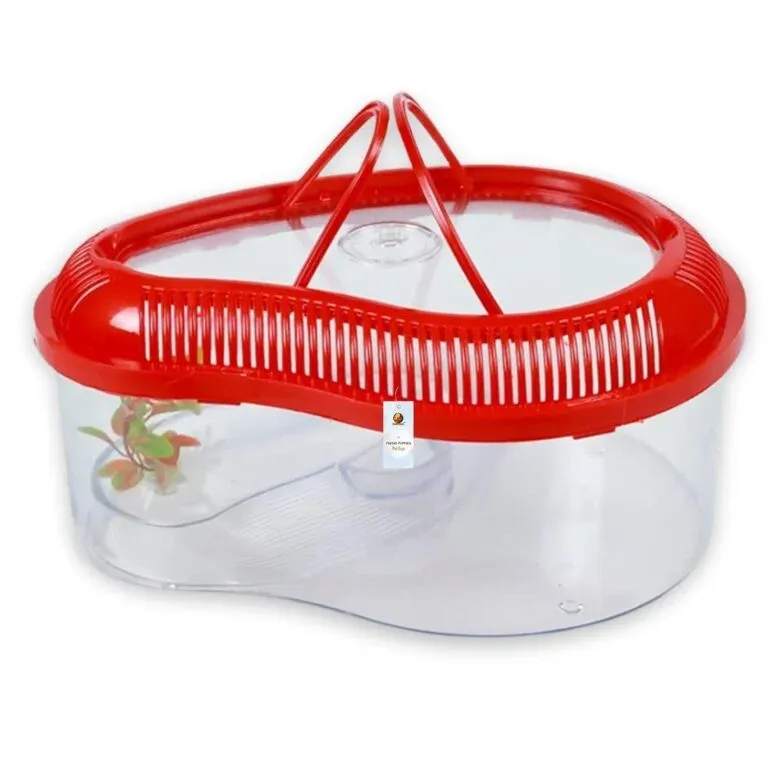
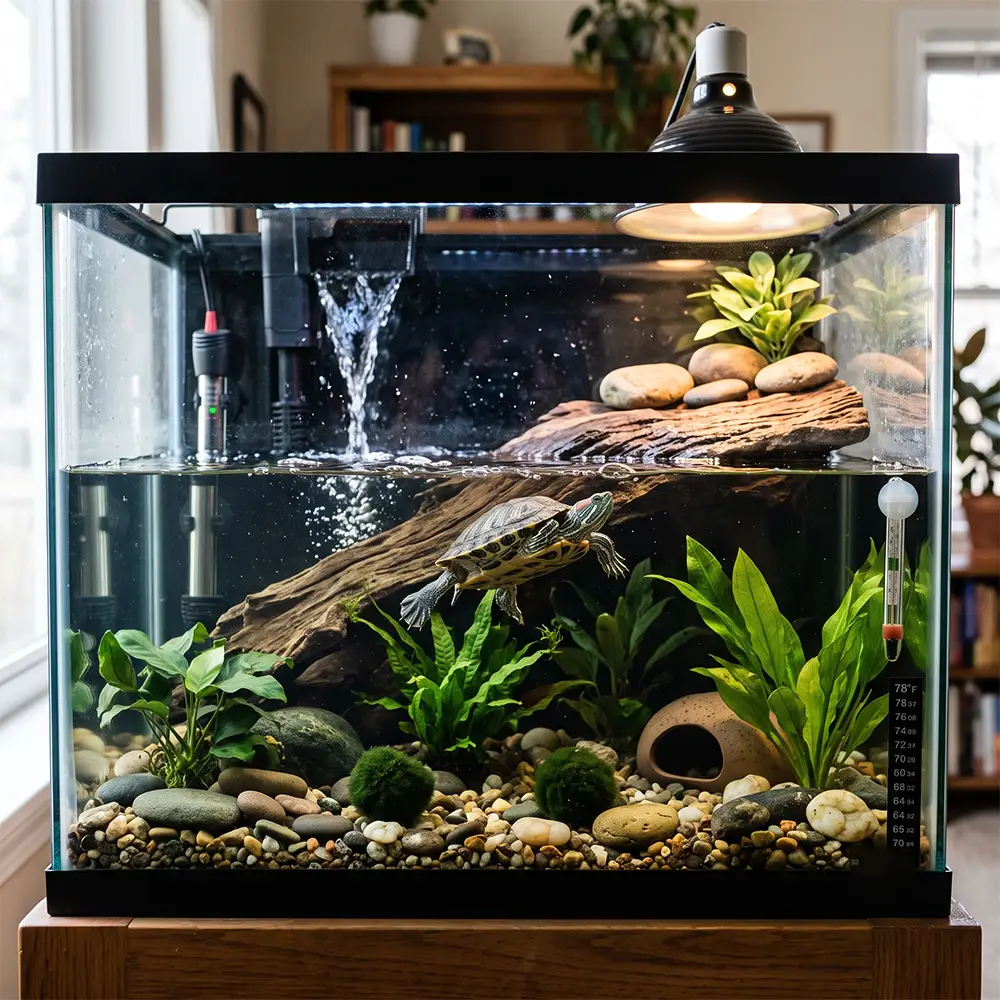
Turtle Tank & Aquarium

You May Also Like

Bellotta Tuna in Gravy Tinned Cat Wet Food Can (185g)

Drools Adult Nutrition Chicken and Vegetables Dry Dog Food

Pedigree Dentastix Oral Care for Adult (Medium Breed of 10 to 25 kg) Dog Treats


Pedigree Adult Dry Dog Food | Chicken & Vegetables


Dog Poop Scooper, Pet Waste Potty Picker, Small Size (Color May Vary)
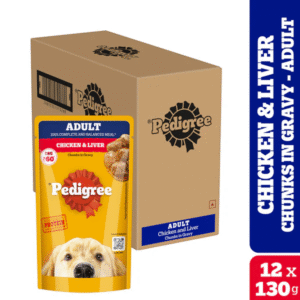
Pedigree Adult Wet Dog Food Chicken & Liver Chunks In Gravy (130g)


Bio Clean Extra Mild Dog Shampoo | Gentle & Hypoallergenic Formula | Soothes Sensitive Skin & Maintains Coat Health
Turtle Tank & Aquarium – Create the Perfect Home for Your Aquatic Turtle
Give your beloved turtle a safe, comfortable, and enriching environment with our premium turtle tank & aquarium collection. Whether you are welcoming your first aquatic turtle or upgrading an existing habitat, choosing the right turtle aquarium can make all the difference to your pet’s comfort, activity, and overall well-being. With the right combination of swimming space, clean water, basking areas, and reliable accessories, you can create a beautiful habitat that supports your turtle’s natural behaviours while enhancing the look of your home.
A turtle is more than just a pet. It is a fascinating companion with a unique personality, curious habits, and special care requirements. That is why a thoughtfully designed turtle tank is an essential investment for every responsible turtle owner. From spacious turtle aquariums to practical tank setups, the right habitat helps you enjoy watching your turtle swim, explore, bask, and thrive.
Explore our turtle tank and aquarium options to discover a suitable home for your aquatic companion. Find the space, functionality, and features you need to build a cleaner, safer, and more enjoyable turtle habitat.
Why Choose the Right Turtle Tank & Aquarium?
Choosing the right turtle tank & aquarium is one of the most important decisions you will make as a turtle owner. Unlike a simple decorative fish tank, a turtle habitat must accommodate swimming, resting, basking, feeding, and waste management. A suitable aquarium provides enough room for movement while making everyday cleaning and maintenance easier.
A well-planned turtle tank also helps you create a stable environment with appropriate water quality, temperature, lighting, and access to a dry basking area. These elements are essential for supporting your turtle’s health and natural behaviour.
Here is why investing in a suitable turtle aquarium is worthwhile:
- Spacious swimming area: Give your turtle room to move, explore, and exercise comfortably.
- Comfortable basking space: Provide access to a secure, completely dry area where your turtle can warm itself.
- Easy maintenance: Choose a practical design that simplifies feeding, water changes, and routine cleaning.
- Reliable filtration: Help manage waste and maintain better water quality with a properly sized filtration system.
- Attractive appearance: Create a beautiful aquatic display that complements your living room, bedroom, or dedicated pet-care space.
- Long-term value: Select a tank that accommodates your turtle’s expected adult size and changing needs.
The right turtle tank is not simply a container filled with water. It is the foundation of a carefully designed habitat where your pet can express its natural behaviours and enjoy a comfortable daily routine.
Discover a Turtle Aquarium Designed for Everyday Care
A good turtle aquarium should balance functionality, durability, and convenience. It should be practical enough for everyday use and spacious enough to support your turtle’s needs as it grows.
When comparing turtle tanks, consider the available floor space, water depth, construction quality, access points, and compatibility with essential equipment. The best choice depends on your turtle’s species, adult size, swimming ability, and habitat requirements.
Spacious Design for Active Turtles
Aquatic turtles spend a significant amount of time swimming and exploring their surroundings. A spacious turtle tank gives them room to move naturally without feeling restricted by an undersized enclosure.
When selecting an aquarium, look beyond its external dimensions. Consider how much usable swimming space remains after adding filters, basking platforms, decorations, and other equipment. A thoughtfully arranged tank provides open water for swimming while retaining the essential features your turtle needs.
For growing turtles, planning ahead is particularly important. A small enclosure may appear convenient at first, but upgrading later can increase costs and require you to rebuild the entire habitat. Choosing a suitable tank from the beginning can save time and help you establish a more practical long-term setup.
Durable Construction for Greater Confidence
A turtle tank must hold water safely and withstand regular use. Look for sturdy construction, reliable seams, and materials appropriate for the tank’s size and installation requirements.
Glass aquariums are popular because they provide clear views of your turtle and allow you to observe its behaviour easily. Other aquarium materials may offer different advantages depending on the design and intended application.
Always place your turtle tank on a level, stable surface that can support the combined weight of the tank, water, substrate, and equipment. Larger aquariums can become extremely heavy when filled, so a suitable stand and safe placement are essential.
Easy Access for Feeding and Cleaning
Regular maintenance is a natural part of responsible turtle ownership. A well-designed turtle aquarium should allow you to reach feeding areas, remove debris, inspect equipment, and perform water changes without unnecessary difficulty.
Accessible openings and a practical layout make everyday care more convenient. You can spend less time struggling with your setup and more time observing your turtle’s fascinating behaviour.
Choose an arrangement that allows you to maintain the water, clean the basking area, and inspect the filter safely. Simple maintenance routines can help you keep the habitat clean, attractive, and comfortable.
Essential Features of a Complete Turtle Tank Setup
Creating an excellent turtle habitat involves more than purchasing an aquarium. Your turtle needs a combination of equipment and environmental features that work together to support its specific requirements.
1. Effective Filtration for Cleaner Water
Turtles produce considerable waste relative to their size, which makes effective filtration especially important. A suitable aquarium filter helps remove suspended particles and supports the biological processes that break down harmful waste compounds.
When choosing a filter, consider the aquarium’s water volume, your turtle’s size, feeding habits, and the manufacturer’s recommendations. A filter designed for a lightly stocked fish aquarium may not provide sufficient capacity for a turtle habitat.
Regularly inspect and maintain the filtration system according to its instructions. Remember that even a powerful filter cannot replace routine water changes and water-quality testing.
2. A Secure and Dry Basking Platform
Many aquatic turtle species need access to a dry basking area where they can leave the water completely. This space allows them to warm themselves and dry their shells.
A good basking platform should be stable, easy to climb, large enough for your turtle to rest comfortably, and positioned so that the turtle can return to the water safely. Make sure the platform supports your turtle’s weight and cannot tip over.
The basking area should be paired with suitable heating and lighting for the species. Avoid placing equipment where your turtle could become trapped, burned, or injured.
3. Appropriate Heating and Lighting
Temperature and lighting requirements vary by turtle species and life stage. Before assembling your turtle aquarium, research the specific conditions your pet needs.
Depending on the species, the habitat may require a water heater, a basking heat source, and a UVB light. UVB lighting supports vitamin D3 production and calcium metabolism in many commonly kept aquatic turtles.
Use appropriate equipment, follow manufacturer safety instructions, and monitor temperatures with reliable thermometers. UVB bulbs have different coverage and replacement requirements, so select lighting designed for your enclosure and your turtle’s needs.
Never assume that ordinary room lighting provides the same benefits as suitable UVB lighting.
4. Safe Substrate and Decorations
Decorations can make your turtle tank more attractive and stimulating. Rocks, aquatic plants, and other habitat features can create a natural-looking environment, provided they are appropriate for your turtle.
Safety should always come first. Avoid small stones, loose objects, sharp decorations, or materials that could be swallowed, cause injury, or trap your turtle underwater. Select aquarium-safe materials and ensure that all structures are secure.
A simple, open layout is often easier to clean and gives your turtle more swimming room. You can still create an appealing display without overcrowding the aquarium.
5. A Secure Cover and Safe Equipment Placement
A suitable cover can help prevent escapes and protect the aquarium from unwanted objects. However, it must allow appropriate ventilation and accommodate heating and lighting equipment safely.
Turtles can be surprisingly determined climbers. Position basking platforms, rocks, and other structures so they cannot be used as steps to escape.
Keep electrical connections protected from splashes, create safe cable arrangements, and use equipment specifically intended for aquarium environments.
How to Choose the Best Turtle Tank Size
Selecting the correct turtle tank size is essential for long-term comfort. The ideal aquarium depends on your turtle’s species, shell length, adult size, activity level, and swimming requirements.
A hatchling may fit comfortably in a smaller enclosure temporarily, but it can grow quickly. Planning for adult size helps you avoid frequent upgrades and gives your pet more consistent living conditions.
As a general starting point, some commonly kept aquatic turtles benefit from approximately 10 gallons of water capacity per inch of shell length, with around 75–100 gallons or more often appropriate for a single adult turtle with a shell length of roughly 7–10 inches. These figures are guidelines, not universal rules. Species, body shape, water depth, filtration, and individual needs can change the appropriate tank size substantially.
Use these factors when comparing turtle aquariums:
- Species requirements: Different turtles have different swimming, water-depth, and basking needs.
- Adult shell length: Select a habitat that accommodates expected growth rather than only the turtle’s current size.
- Swimming room: Prioritise usable water space over decorative features.
- Basking access: Make sure the turtle can climb out of the water and rest completely dry.
- Equipment capacity: Leave sufficient space for effective filtration, heating, and lighting.
- Available floor space: Confirm that your home can safely accommodate the filled aquarium and its stand.
If you are unsure which aquarium is suitable, consult a qualified reptile veterinarian or a reliable species-specific care guide before making your purchase.
Turtle Tank vs. Fish Aquarium: What Is the Difference?
Although a turtle tank and a fish aquarium may look similar, their practical requirements can be very different.
Fish aquariums are usually designed around the needs of fish and their aquatic environment. Aquatic turtle habitats must also provide access to a dry basking area, suitable heat and UVB lighting where required, and equipment capable of managing the turtle’s waste.
A standard aquarium may work as the foundation for a turtle habitat, but it often needs additional equipment and a carefully planned layout.
Here are the main differences:
- Basking requirements: Many aquatic turtles need a completely dry resting area, while fish generally remain underwater.
- Filtration demands: Turtle waste can place a substantial load on filtration equipment.
- Lighting: Many commonly kept aquatic turtles need specialised UVB lighting in addition to heat and ambient light.
- Escape prevention: Turtles can climb and push against structures, making secure enclosure design important.
- Habitat arrangement: Turtle aquariums need a balance of swimming space and accessible resting areas.
Choosing an aquarium with the right dimensions and pairing it with suitable equipment helps you create a habitat that meets your turtle’s needs rather than simply adapting a fish tank without considering the differences.
Create a Beautiful Turtle Aquarium for Your Home
A thoughtfully arranged turtle aquarium can become an attractive feature in your home while providing a comfortable environment for your pet. Clear viewing panels, a clean layout, carefully chosen decorations, and a well-maintained basking area can create a display that is both practical and visually appealing.
Consider these ideas when designing your aquarium:
Keep the Layout Clean and Natural
Choose a few safe decorations that complement your turtle’s habitat rather than filling every available space. Natural-looking rocks, appropriate aquatic plants, and a simple background can create a peaceful visual effect.
Always ensure decorations are secure and cannot injure your turtle or obstruct access to the surface.
Make Maintenance Part of the Design
A beautiful turtle tank is easier to enjoy when it is easy to maintain. Position the aquarium where you can access the filter, perform water changes, and inspect equipment conveniently.
Avoid overcrowding the tank with decorations that trap waste or make cleaning difficult. A simple layout often creates a more attractive and functional display over time.
Choose a Suitable Location
Place the aquarium away from direct sunlight, excessive temperature fluctuations, and areas where it may be knocked over. Direct sunlight can encourage unwanted algae growth and cause temperatures to rise unpredictably.
Ensure the stand is level, stable, and designed to support the filled aquarium. Leave adequate space around the tank for maintenance and equipment access.
With careful planning, your turtle aquarium can offer an enjoyable viewing experience while keeping daily care practical.
How to Set Up Your New Turtle Tank & Aquarium
Setting up your turtle tank correctly from the beginning makes ongoing care easier and helps establish a stable habitat.
Follow these steps to prepare your aquarium:
Step 1: Select the right aquarium. Choose a tank that accommodates your turtle’s species, current size, expected growth, and swimming behaviour.
Step 2: Prepare a stable location. Install a suitable stand on a level surface that can support the full weight of the aquarium and equipment.
Step 3: Install the filtration system. Select a filter with sufficient capacity for the tank and its turtle. Follow the manufacturer’s installation instructions.
Step 4: Arrange the basking area. Add a stable platform that allows your turtle to leave the water completely and rest safely.
Step 5: Install appropriate lighting and heating. Provide species-appropriate temperatures and UVB lighting where required. Check the conditions using reliable measuring equipment.
Step 6: Prepare and test the water. Use an appropriate water conditioner when necessary and check relevant water-quality parameters. Establish the aquarium’s biological filtration before relying on it to manage waste.
Step 7: Check the complete setup. Confirm that the filter operates properly, the basking platform is secure, temperatures are appropriate, and the turtle can move safely between the water and dry area.
Step 8: Maintain a regular care routine. Monitor water quality, remove waste, clean equipment as directed, and observe your turtle for changes in appetite, activity, or behaviour.
Taking these steps helps you build a more dependable turtle habitat and avoid common setup mistakes.
Easy Turtle Tank Maintenance for a Healthier Habitat
Regular maintenance is essential for keeping a turtle aquarium clean and comfortable. Even a spacious tank with excellent filtration needs consistent attention because turtles produce waste and leftover food can affect water quality.
A simple maintenance routine can prevent small problems from becoming larger ones.
Daily Care
- Check that the filter, heater, and lighting are working properly.
- Observe your turtle’s appetite, activity, and swimming behaviour.
- Remove uneaten food and visible waste.
- Confirm that the basking area remains accessible and dry.
Weekly Care
- Test water quality as appropriate for your setup.
- Perform partial water changes based on water conditions and the aquarium’s needs.
- Clean visible debris from the tank.
- Inspect the basking platform and decorations for damage or instability.
Periodic Equipment Checks
- Maintain the filter according to the manufacturer’s recommendations.
- Check heaters, thermometers, and electrical connections.
- Replace UVB bulbs according to their specified service life.
- Inspect seals, the tank stand, and other structural components.
Avoid replacing all the water or cleaning every filter component at once without considering the biological filtration system. Preserving beneficial bacteria helps support the aquarium’s biological balance.
The goal is not simply to make your turtle tank look clean. It is to maintain a stable environment that supports your pet’s long-term well-being.
Common Turtle Tank Mistakes to Avoid
Even caring turtle owners can make mistakes when choosing or maintaining an aquarium. Understanding the most common problems can help you make better decisions from the beginning.
Choosing a tank that is too small: An undersized aquarium restricts swimming space and can make water quality harder to manage. Consider adult size before purchasing.
Using inadequate filtration: Turtle waste can accumulate quickly. Select a filter designed for the actual demands of your habitat.
Ignoring basking requirements: Many aquatic turtles need a secure, dry area for basking. A platform that remains submerged or is difficult to climb may not meet this need.
Overlooking UVB lighting: Many commonly kept aquatic turtles require appropriate UVB exposure. Research your species and select suitable lighting.
Adding unsafe decorations: Small, sharp, unstable, or swallowable objects can cause serious injuries. Choose materials and designs carefully.
Neglecting water quality: Clear water does not always mean healthy water. Regular testing and appropriate maintenance are important.
Forgetting about growth: A tank that works for a young turtle may become unsuitable as the animal grows. Plan for long-term housing.
By avoiding these mistakes, you can create a more reliable setup and enjoy greater confidence in your turtle-care routine.
Why Invest in a Quality Turtle Aquarium?
A quality turtle aquarium is an investment in your pet’s environment and your everyday experience as an owner. The right setup makes it easier to monitor your turtle, maintain the water, organise essential equipment, and enjoy watching its natural behaviour.
Instead of choosing an aquarium based on appearance alone, look for a combination of appropriate dimensions, durable construction, convenient access, and compatibility with essential accessories.
A practical setup can help you:
- Create a more comfortable and enriching habitat.
- Support consistent water-quality management.
- Make cleaning and routine maintenance more convenient.
- Provide appropriate space for swimming and basking.
- Build an attractive aquarium display for your home.
- Plan more confidently for your turtle’s long-term needs.
The best turtle tank is one that works for both you and your pet. By prioritising safety, functionality, and species-specific requirements, you can create an aquarium that offers lasting value.
Find the Right Turtle Tank & Aquarium for Your Pet
Ready to create a comfortable home for your aquatic companion? Explore our turtle tank & aquarium collection to find a setup that suits your space, care routine, and turtle’s requirements.
Whether you are preparing your first turtle habitat or upgrading an existing enclosure, focus on the features that matter most: suitable tank dimensions, reliable construction, efficient filtration, a secure basking area, and compatibility with appropriate heating and lighting.
Every turtle deserves an environment that supports its natural behaviour and encourages a healthy daily routine. With thoughtful planning and consistent care, your aquarium can become a rewarding part of your home and a fascinating place to observe your pet.
Choose your turtle aquarium with confidence, create a habitat designed around your turtle’s needs, and enjoy the remarkable experience of caring for one of nature’s most captivating companions.
Explore our turtle tank & aquarium collection today and take the next step towards creating a safer, cleaner, and more enriching turtle habitat.
Frequently Asked Questions About Turtle Tanks & Aquariums
1. What is the best tank for an aquatic turtle?
The best turtle tank provides adequate swimming space, a secure dry basking area, effective filtration, and compatibility with appropriate heating and lighting. The ideal size depends on your turtle’s species and expected adult size.
2. Can I keep a turtle in a regular fish aquarium?
Yes, a suitably sized fish aquarium can serve as the foundation for an aquatic turtle habitat. However, it may require additional equipment, including a basking platform, appropriate lighting, and stronger filtration to accommodate the turtle’s needs.
3. How big should a turtle tank be?
Tank size depends on the turtle’s species, shell length, swimming behaviour, and adult size. Some commonly kept aquatic turtles benefit from approximately 10 gallons of water capacity per inch of shell length as an initial guideline, but species-specific requirements should determine the final enclosure size.
4. Do turtle aquariums need a filter?
Filtration is strongly recommended for most aquatic turtle habitats. A properly sized filter helps manage waste and supports biological filtration, but it must be combined with regular water changes and water-quality monitoring.
5. Do turtles need a basking platform?
Many aquatic turtles need a stable platform where they can leave the water completely and dry off. The platform should be easy to access and paired with appropriate basking temperatures and lighting.
6. Do turtle tanks need UVB lighting?
Many commonly kept aquatic turtles need appropriate UVB lighting to support normal vitamin D3 production and calcium metabolism. Requirements vary by species, so select a suitable UVB setup based on reliable husbandry guidance.
7. How often should I clean a turtle aquarium?
The cleaning schedule depends on the aquarium’s size, filtration, turtle population, and water quality. Remove leftover food and waste regularly, test the water, and perform partial water changes as needed.
8. Can I decorate my turtle tank?
Yes. You can use aquarium-safe decorations and suitable aquatic plants to create an attractive habitat. Avoid sharp objects, unstable structures, and items small enough to be swallowed. Always preserve sufficient swimming space and safe access to the surface.
9. Is a bigger turtle aquarium better?
A larger, appropriately designed aquarium generally offers more swimming room and can make water quality easier to manage. However, the setup must still provide suitable water depth, safe basking access, proper equipment, and species-specific environmental conditions.
10. What should I look for before buying a turtle tank?
Consider the tank’s dimensions, construction quality, expected adult turtle size, filter compatibility, basking requirements, lighting needs, maintenance access, and the strength of the supporting stand. These factors help you select a suitable long-term habitat.
Give Your Turtle a Better Place to Thrive
Your turtle deserves more than a basic enclosure. It deserves a thoughtfully planned habitat where it can swim freely, bask comfortably, and explore its surroundings safely.
Discover a suitable turtle tank & aquarium and bring together the space, equipment, and practical features needed to create an attractive, functional home for your aquatic companion. Start building a better turtle habitat today and make every swim, bask, and curious exploration more enjoyable.