

Turtle Tank
Search
Price
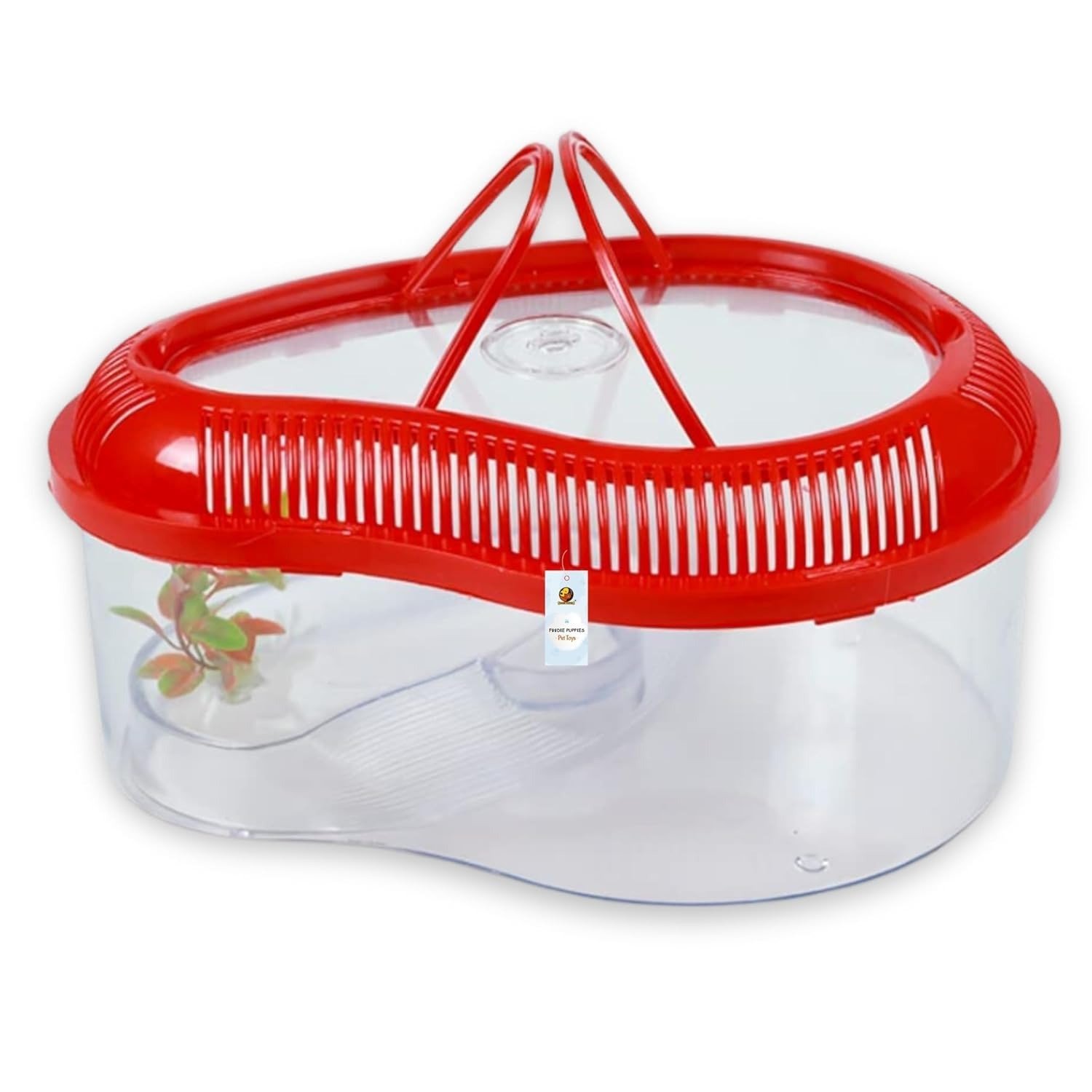
Foodie Transparent Turtle Tank Aquarium - (Mini - 0.9 FT/11 in Length) with Lid, Ramp | Basking Platform for Turtle Habitat, Reptile Breeding, Safe & Durable with Escape Prevention
You May Also Like

Drools Chicken & Pumpkin Creamy Dog Treats (75g)
Jerhigh Roasted Duck Chunks In Gravy Wet Dog Food (120g)

Kitty Yums Adult (+1 Year) Dry Cat Food, Ocean Fish

Fish Optimum Highly Nutritious All Life Stages Fish Food for All Aquarium Fish (200Gm X 2 = 400Gm, Mini Pellet)


Pet Massage Rubber Bath Glove for Dogs, Cats, Rabbit, & Hamster | Grooming Shampoo Washing Soothing Bristles Hand Brush Comb – 1 Piece (Soothing Glove)

Drools Chicken & Spinach Creamy Dog Treats (75g)


Smartheart Chicken With Vegetables Adult Canned Wet Dog Food (400g)

Drools Chicken & Carrot Creamy Dog Treats (75g)
Turtle Tank – Create the Perfect Home for Your Turtle
Give your shelled companion a comfortable, safe, and enriching place to thrive with the right turtle tank. Whether you’re welcoming a tiny hatchling into your home or upgrading your turtle’s current habitat, choosing the right tank is one of the most important decisions you can make as a turtle owner.
A well-designed turtle tank does much more than hold water. It creates a dedicated environment where your turtle can swim, explore, bask, rest, and enjoy its daily routine. With the right combination of space, filtration, lighting, and basking areas, you can create a beautiful turtle habitat that supports your pet’s well-being while adding a stunning aquatic feature to your home.
Our selection of turtle tanks is designed to help pet owners find a practical, attractive, and comfortable habitat for their aquatic companions. From compact options for suitable young turtles to spacious aquariums for species that need more room, the right choice can make everyday turtle care easier and more rewarding.
Discover a turtle tank that combines comfort, functionality, and style, and take the first step toward building a thriving turtle habitat.
Why Choosing the Right Turtle Tank Matters
Turtles may have protective shells, but they still depend on their environment for healthy growth, natural movement, and everyday comfort. An unsuitable enclosure can restrict swimming, make cleaning difficult, and prevent your pet from accessing essential basking areas.
A high-quality turtle tank helps you create a more suitable habitat while giving you greater control over water quality, temperature, lighting, and cleanliness.
Here are some important benefits of choosing the right turtle aquarium.
1. Plenty of Room to Swim and Explore
Aquatic turtles need enough space to swim, turn around, dive, and move naturally. A tank that is too small can limit their activity and quickly become inadequate as they grow.
Choosing a suitably sized turtle tank gives your pet more freedom to move while providing room for essential habitat features. Consider your turtle’s species, expected adult size, swimming habits, and the dimensions of your available space before selecting a tank.
A spacious aquarium can also make it easier to arrange filtration equipment, aquatic decorations, and a dedicated basking platform without overcrowding the enclosure.
2. A Cleaner and More Comfortable Environment
Turtle care involves managing waste, uneaten food, and changing water conditions. Unlike many fish-only aquariums, turtle tanks can develop a substantial biological load, making effective filtration particularly important.
A suitable filtration system helps remove debris and supports beneficial bacteria that process harmful waste compounds. Regular water testing and maintenance remain essential, but a properly planned turtle tank setup can make these tasks much more manageable.
Look for an aquarium that accommodates appropriate filtration equipment and allows convenient access for cleaning.
3. A Dedicated Space for Basking
Aquatic turtles need access to a dry basking area where they can leave the water completely and warm themselves under appropriate heat and UVB lighting.
A thoughtfully arranged turtle tank should include a stable, accessible platform with enough room for the turtle to rest comfortably. The basking area should remain dry, and the turtle should be able to climb onto it without struggling.
Providing suitable basking conditions helps support normal thermoregulation and shell health. The exact temperature and lighting requirements depend on your turtle’s species, so research its specific needs before setting up the habitat.
4. A Beautiful Addition to Your Home
A well-arranged turtle aquarium can become an attractive focal point in a living room, bedroom, office, or dedicated pet area.
Clear viewing panels, thoughtfully selected decorations, aquatic plants, and a natural-looking basking area can create a visually appealing display while preserving the space your turtle needs.
The goal is to balance appearance with animal welfare. Choose decorations that are safe, stable, and appropriate for your turtle, and avoid overcrowding the tank simply to achieve a particular look.
Find the Perfect Turtle Tank for Your Pet
Every turtle is different, and the ideal turtle tank depends on your pet’s species, size, activity level, and long-term needs. Understanding the available options can help you make a confident purchasing decision.
Turtle Tank for Small Turtles
A turtle tank for a small turtle can be a practical starting point for owners caring for a hatchling or juvenile. However, small turtles can grow quickly, and the tank should provide enough room for swimming, basking, and other essential activities.
Avoid choosing an enclosure based only on your turtle’s current size. Consider its expected adult dimensions and whether you will need to upgrade the habitat as it grows.
A suitable starter turtle tank should allow space for appropriate filtration, a dry basking platform, and essential heating and lighting equipment.
Large Turtle Tank for Growing Turtles
Many aquatic turtle species require considerably more room as they mature. A large turtle tank can provide additional swimming space, accommodate more capable filtration equipment, and make it easier to organize the habitat.
Before purchasing a larger aquarium, check the available floor space and ensure that the stand or supporting furniture can safely bear the combined weight of the tank, water, substrate, and equipment.
Remember that a larger aquarium is not automatically suitable for every species. Select the dimensions and water depth according to your turtle’s individual needs.
Turtle Aquarium with Filter
A turtle tank with filter is an excellent option for owners who want to plan water care more effectively.
Turtles produce waste that can quickly affect water quality. An appropriately sized filter helps capture particles and supports biological filtration, reducing some of the workload involved in maintaining the aquarium.
When selecting a filtered turtle tank, consider the filter’s capacity, ease of maintenance, replacement media availability, and suitability for the amount of waste your turtle produces.
A filter does not eliminate the need for water changes, regular testing, or removal of uneaten food. Consistent maintenance remains the key to a healthy aquatic environment.
Turtle Tank Kit
A turtle tank kit can simplify the setup process by bringing together selected habitat components in one package. Depending on the product, a kit may include an aquarium, basking platform, filtration equipment, or other accessories.
Before buying, carefully review the included components rather than assuming every kit contains everything your turtle needs.
You may still need suitable UVB lighting, a heat source, thermometers, water-testing supplies, and other species-specific essentials. A complete setup should be based on your turtle’s care requirements, not just the number of accessories included in the box.
Essential Features to Look for in a Turtle Tank
Choosing the best turtle tank is easier when you know which features deserve the most attention. Instead of focusing only on price or appearance, evaluate how each option will support your turtle’s daily needs.
Durable Construction
Your turtle aquarium should be made from materials suitable for its intended use and should be designed to hold the required volume of water safely.
Check the product’s construction, dimensions, weight rating where applicable, and installation instructions. Use an appropriate, level support designed for the filled tank, and inspect the enclosure for damage before setting it up.
Durability matters because a reliable aquarium can provide a stable foundation for your pet’s habitat over the long term.
Suitable Tank Dimensions
Tank capacity is important, but dimensions matter just as much. A long aquarium may provide more horizontal swimming space, while a taller design may offer different options for equipment placement.
Choose a turtle tank based on the adult size and behavior of your species. The enclosure must allow unrestricted movement, adequate swimming depth, and enough room for the basking area and filtration system.
There is no single tank size that is ideal for every turtle, so avoid relying on generic recommendations without considering the species you keep.
Efficient Filtration Compatibility
An effective filtration system is essential for most aquatic turtle habitats. Look for a turtle aquarium that can accommodate a filter appropriate for the tank’s volume and the turtle’s waste production.
Depending on your setup, options may include canister filters, internal filters, or other aquarium filtration systems.
A filter with convenient access to its media can make routine maintenance easier. Ensure that the system provides suitable water circulation without creating currents that your turtle cannot comfortably navigate.
Easy Access for Cleaning
Regular cleaning is an unavoidable part of responsible turtle ownership. A thoughtfully designed turtle tank makes it easier to reach the interior, remove uneaten food, maintain equipment, and perform partial water changes.
Look for an opening and layout that provide convenient access while keeping your turtle secure.
A practical design can save time, reduce frustration, and help you maintain a more consistent cleaning routine.
Space for Basking and Lighting
A turtle tank should allow you to install a secure basking platform and position appropriate heat and UVB lighting safely.
The platform should support your turtle’s weight, provide enough room for it to dry completely, and allow easy entry and exit. Lighting must be positioned according to the manufacturer’s instructions and your species’ requirements.
Ensure that electrical equipment is suitable for use around water, cables are secured, and fixtures cannot accidentally fall into the aquarium.
How to Set Up Your Turtle Tank
Setting up a turtle tank correctly from the beginning can help prevent common problems and create a more stable environment for your pet.
Follow these essential steps when preparing your turtle’s new home.
Step 1: Choose the Right Location
Place your turtle aquarium on a sturdy, level surface that can safely support its full weight.
Avoid locations exposed to direct sunlight, which can cause unwanted temperature changes and encourage excessive algae growth. Keep the aquarium away from drafts and areas where it could be knocked over.
Leave enough room around the tank to access the filter, lighting, and other equipment for maintenance.
Step 2: Prepare the Aquarium
Before adding water, inspect the tank and clean it according to the manufacturer’s instructions. Avoid household cleaning chemicals, soaps, or detergents that could leave harmful residues.
Position the aquarium on its appropriate support and install any required equipment according to the product instructions.
If your setup includes substrate or decorations, make sure each item is suitable for your turtle species and cannot create an entrapment, ingestion, or injury hazard.
Step 3: Install the Filtration System
Install a filter appropriate for the aquarium’s volume and the waste load generated by your turtle.
Follow the manufacturer’s directions for installation, priming, and operation. Establish the aquarium’s biological filtration before relying on it to manage waste, and test the water for ammonia and nitrite.
A newly installed filter may need time to develop a stable beneficial bacterial population. Do not assume that clear-looking water is necessarily safe water.
Step 4: Create a Safe Basking Area
Install a stable platform that allows your turtle to climb out of the water completely.
Position suitable heat and UVB lighting above the basking area at the recommended distance. Use a reliable thermometer to check the basking temperature and monitor the water temperature separately.
Do not place a turtle directly under a heat source without checking that the conditions are appropriate for its species. Excessive heat can be dangerous.
Step 5: Check Water Conditions
Use a suitable water conditioner when necessary to remove chlorine or chloramine from tap water. Test the water regularly and maintain temperatures appropriate for your turtle.
Monitor ammonia, nitrite, and nitrate, and perform partial water changes as needed. The correct maintenance schedule depends on the aquarium’s maturity, filter performance, turtle size, and feeding routine.
Step 6: Introduce Your Turtle Carefully
Before moving your turtle into the new habitat, confirm that the temperature, filtration, basking area, and water conditions are suitable.
Give your turtle time to become familiar with its surroundings. Watch for normal swimming, basking, feeding, and activity, and seek advice from a qualified reptile veterinarian if you notice persistent changes in behavior or health.
Pro tip: Prepare the habitat before bringing your turtle home. A carefully planned turtle tank setup can reduce avoidable stress and help you establish a consistent care routine.
Turtle Tank Accessories to Complete Your Setup
The right turtle tank accessories help transform a basic aquarium into a more functional and enriching habitat.
Depending on your turtle’s species and setup, consider these essentials.
Aquarium filter: Supports mechanical and biological filtration to help maintain water quality.
UVB lighting: Helps support normal vitamin D3 production and calcium metabolism when appropriately selected and installed.
Heat lamp: Creates a suitable basking temperature for your turtle.
Basking platform: Provides a dry area for resting and thermoregulation.
Water thermometer: Helps you monitor the aquarium’s temperature.
Basking thermometer: Helps you check the temperature of the basking area.
Water-testing kit: Allows you to monitor important water parameters and detect problems early.
Water conditioner: Treats tap water when needed to remove chlorine or chloramine.
Aquarium heater: May be required to maintain the appropriate water temperature for certain species.
Safe decorations: Provide visual interest and environmental enrichment without restricting swimming space.
When shopping for a turtle tank kit or individual accessories, prioritize compatibility, safety, and your turtle’s specific care requirements.
How to Keep Your Turtle Tank Clean and Healthy
A clean turtle tank supports a healthier habitat and makes it easier to observe your pet’s normal behavior.
Because aquatic turtles can produce substantial waste, maintenance should be consistent rather than occasional.
Establish a Regular Cleaning Routine
Remove uneaten food and visible debris promptly. Inspect the basking platform, filter intake, and other equipment to ensure they are functioning properly.
Perform partial water changes based on water-test results and the needs of your aquarium. Avoid replacing all the water unnecessarily or cleaning every filter component at the same time, because these practices can disrupt beneficial bacteria.
Maintain Good Water Quality
Regularly test for ammonia, nitrite, and nitrate. Ammonia and nitrite should remain at undetectable levels in a properly functioning aquarium.
If you detect either compound, investigate the cause, perform appropriate water changes, and check that the filtration system is working correctly.
Never rely on water clarity or smell alone to judge water quality.
Avoid Overfeeding
Excess food can contribute to waste accumulation and deteriorating water conditions.
Feed your turtle an appropriate, balanced diet based on its species, age, and nutritional requirements. Remove uneaten food and avoid offering more than your turtle needs.
Inspect Equipment Regularly
Check the filter, heater, lighting fixtures, and basking platform for damage or malfunction.
Replace equipment when necessary and follow manufacturer recommendations for cleaning and maintenance. Reliable equipment and consistent observation can help you identify problems before they become serious.
How to Choose the Best Turtle Tank: A Practical Buying Guide
Finding the best turtle tank means balancing your pet’s requirements with your budget, available space, and long-term care plans.
Consider the following factors before making a purchase.
Think About Your Turtle’s Adult Size
A tiny hatchling may look comfortable in a small enclosure, but its needs will change as it grows. Research the adult size of your turtle species before selecting an aquarium.
Buying with long-term growth in mind can help you avoid unnecessary upgrades and create a more suitable habitat from the beginning.
Consider the Total Setup Cost
The purchase price of a turtle tank is only one part of the overall investment.
Include the cost of filtration, lighting, heating, water testing, a suitable stand, and routine maintenance supplies. A lower-priced aquarium may require additional equipment to become a complete, appropriate habitat.
Compare the overall value rather than choosing exclusively on price.
Check Compatibility with Accessories
Before purchasing a turtle aquarium, verify that the filter, basking platform, and lighting equipment will fit safely.
Some accessories may be sold separately, while others may be included with selected kits. Review the product description carefully so you know exactly what you are buying.
Plan for Maintenance
Consider how easy it will be to remove debris, access the filter, perform water changes, and inspect the aquarium.
A practical setup that fits your available time and space can make responsible turtle care easier to maintain over the long term.
Prioritize Safety and Animal Welfare
A visually attractive turtle tank should never compromise your pet’s comfort or safety.
Choose secure platforms, appropriate lighting, suitable water depth, and decorations that cannot trap or injure your turtle. Ensure that the enclosure has adequate ventilation and cannot be escaped from.
The best choice is one that combines quality, usability, and the specific environmental requirements of your turtle.
Why Shop for Your Turtle Tank With Us?
Finding the right turtle aquarium should feel exciting, not overwhelming. Our product selection is intended to help turtle owners explore practical habitat options and find a setup that suits their needs.
Whether you’re preparing for your first aquatic turtle or improving an existing enclosure, choosing the right equipment can make daily care more convenient and your pet’s environment more rewarding.
When comparing our turtle tank options, consider the following benefits:
Options for different setups: Explore suitable aquarium choices for different spaces and habitat requirements.
Practical designs: Look for layouts that make it easier to arrange essential equipment and access the tank for cleaning.
Room for essential accessories: Choose an aquarium that can accommodate appropriate filtration, basking, and lighting equipment.
A focus on everyday care: Build a habitat that supports consistent maintenance and responsible turtle ownership.
Long-term planning: Select a tank with your turtle’s future growth and changing needs in mind.
Check the individual product descriptions for verified specifications, available sizes, included accessories, warranty terms, and delivery details.
Our goal is to help you make an informed decision and create a comfortable home for your shelled companion.
Turtle Tank FAQs
1. What size turtle tank should I buy?
The ideal turtle tank size depends on the species, adult size, swimming habits, and number of turtles. Aquatic turtles generally need ample swimming space and a dry basking area. Research your species’ requirements before choosing a tank, and plan for future growth.
2. Can I keep a turtle in a fish tank?
Yes. A suitable aquarium can work well for many aquatic turtles, provided it offers adequate space, filtration, water depth, and a dry basking area with appropriate lighting. However, a basic fish tank may need additional equipment or modifications to meet a turtle’s needs.
3. Do turtles need a filter in their tank?
Most aquatic turtle setups benefit from effective filtration because turtles produce substantial waste. Choose a filter suitable for the tank volume and biological load. Regular water changes and water testing are still necessary, even when a powerful filter is installed.
4. Do turtle tanks need a basking area?
Aquatic turtles generally need access to a dry basking area where they can leave the water completely. Appropriate heat and UVB lighting are also important for many commonly kept species. The exact requirements depend on the turtle’s species and age.
5. How often should I clean my turtle tank?
The cleaning schedule depends on tank size, filtration, feeding habits, and the amount of waste produced. Remove uneaten food regularly, monitor water parameters, and perform partial water changes as needed. Clean filter media according to the manufacturer’s instructions without unnecessarily disrupting beneficial bacteria.
6. Can I use tap water in a turtle aquarium?
Tap water may be suitable after appropriate treatment. If your water supply contains chlorine or chloramine, use a conditioner designed to neutralize it. Water temperature and chemistry should also be appropriate for your turtle species.
7. What should I put inside a turtle tank?
A suitable turtle habitat typically includes clean water, effective filtration, a stable dry basking platform, and appropriate heating and UVB lighting. Safe decorations and aquatic plants may also be used if they do not restrict movement or introduce hazards.
8. Is a turtle tank kit worth buying?
A turtle tank kit can be convenient if its included components suit your turtle’s needs. Check whether the package includes a filter, basking platform, and other equipment, and determine whether you need additional lighting, heating, or water-testing supplies.
9. How do I keep my turtle tank water clear?
Use appropriate filtration, remove uneaten food, avoid overfeeding, and perform regular partial water changes. Test the water consistently because clear water can still contain harmful levels of ammonia or nitrite.
10. Can I keep more than one turtle in the same tank?
Keeping multiple turtles together can create challenges involving space, competition, aggression, and access to basking areas. Compatibility varies by species and individual temperament. A larger aquarium alone does not guarantee that cohabitation will be safe, and separate enclosures may be necessary.
11. How much does a turtle tank cost?
The price of a turtle tank depends on its dimensions, construction, included accessories, and overall design. Remember to budget for filtration, lighting, heating, a suitable stand, and ongoing maintenance supplies. Compare complete setup costs rather than the aquarium price alone.
12. Can I use a plastic container as a turtle tank?
A plastic enclosure may be suitable in certain circumstances if it is made from safe materials, has adequate dimensions, supports the required equipment, and can be maintained properly. Avoid containers that are unstable, easily damaged, or unsuitable for the necessary lighting and heating arrangements.
Create a Better Home for Your Turtle Today
Your turtle deserves more than a container filled with water. It deserves a thoughtfully designed habitat that supports natural movement, comfortable basking, clean water, and everyday enrichment.
Choosing the right turtle tank gives you the foundation for building that environment. With suitable dimensions, reliable filtration, appropriate lighting, and a consistent maintenance routine, you can create a turtle aquarium that is both functional and visually appealing.
Whether you’re shopping for your first turtle tank, searching for a larger aquarium, or planning a complete turtle tank setup, take the time to compare your options and select equipment that meets your pet’s long-term needs.
Explore our available turtle tanks, review the product specifications, and find an option that fits your space and setup requirements.
Give your shelled companion a home designed for comfort, care, and discovery. Find your ideal turtle tank today!