

Hand Feeding Food
Search
Price

Petslife Hand Feeding Formula For Baby Birds
You May Also Like
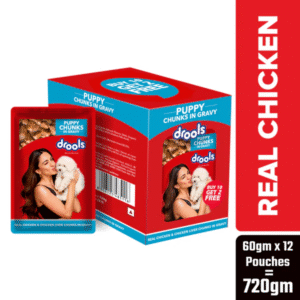
Drools Real Chicken & Chicken Liver Chunks in Gravy Puppy Dog Wet Food (60g)

Pedigree PRO Expert Nutrition Lactating/Pregnant Mother & Puppy Starter (3 to 12 Weeks) Small Breed Dog Dry Food
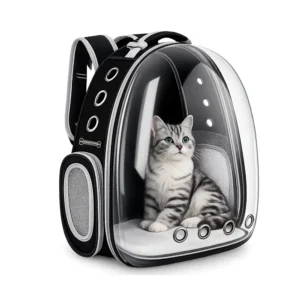
Astronaut Pet Carrier Backpack for Cats & Small Dogs
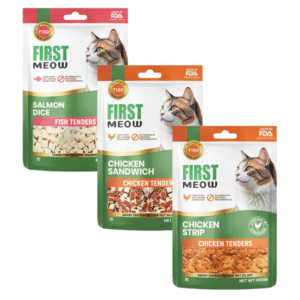
First Meow Cat Treats Combo Chicken Strip x1 & Chicken Sandwich x1 & Salmon Dice x1, (40g) (Pack of 3)

Drools Real Chicken & Chicken Liver Chunks in Gravy Puppy Dog Wet Food (60g)

Smartheart Chicken With Vegetables Adult Canned Wet Dog Food (400g)
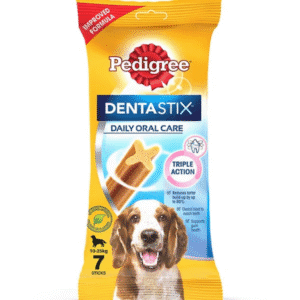
Pedigree Dentastix Oral Care for Adult (Medium Breed of 10 to 25 kg) Dog Treats
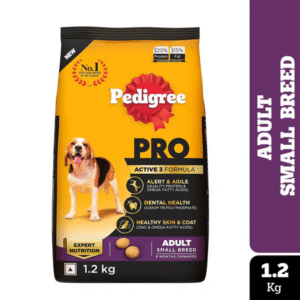
Pedigree Pro Adult Nutrition Small Breed Dry Dog Food
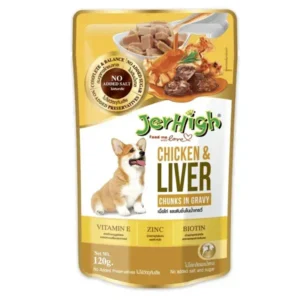
Jerhigh Chicken & Liver Chunks in Gravy Dog Wet Food (120g)
Pet Hair Remover Lint Roller with Handle Hair Remover for Dogs and Cats, Ideal for Clothes, Furniture, Coats, Car Seats, Carpets, Fabric, and Dust Cleaning
Hand Feeding Food for Birds – Premium Nutrition for Healthy Growth and Stronger Bonds
Give your baby birds the nourishing start they deserve with high-quality hand feeding food designed to support healthy growth, proper development, and everyday vitality. Feeding young birds is more than just a routine task; it is a special experience that builds trust, strengthens your connection, and helps you care for your feathered companions during their most important stages of life.
Whether you are an experienced bird breeder, a dedicated pet parent, or a bird enthusiast caring for newly hatched chicks, choosing the right hand feeding formula can make a meaningful difference in your feeding routine. A suitable formula provides essential nourishment while offering convenient preparation and feeding when used according to the product instructions.
Our hand feeding food is designed for bird caregivers who value quality, convenience, and the well-being of their birds. With a focus on dependable nutrition and easy preparation, it can become an essential part of your bird-care essentials, helping you provide attentive care during early development.
Discover a reliable feeding solution that supports your commitment to raising healthy, active, and well-cared-for birds.
What Is Hand Feeding Food for Birds?
Hand feeding food is a specially prepared nutritional formula used to feed young birds that require supplemental or complete feeding by hand. Unlike ordinary bird seed or standard adult bird feed, hand feeding formulas are designed for the specific needs of growing chicks and other birds that cannot yet eat independently.
Depending on the formula, hand feeding food may contain a carefully balanced combination of proteins, fats, carbohydrates, vitamins, minerals, and other nutrients that contribute to growth and development. The exact nutritional composition varies by product, bird species, and developmental stage.
For many bird breeders and caregivers, hand feeding is an important part of raising parrots, budgies, cockatiels, lovebirds, and other companion birds. The right feeding formula, combined with appropriate feeding techniques and hygienic preparation, helps caregivers provide consistent nourishment during this delicate period.
When selecting hand feeding food, it is important to consider the bird’s species, age, weight, and individual nutritional requirements. Always choose a formula suitable for your bird and follow the manufacturer’s feeding guidelines.
Why Choose Quality Hand Feeding Food?
Young birds need attentive care, appropriate nutrition, and a suitable feeding routine. Selecting a quality hand feeding formula can help simplify this process while supporting your commitment to responsible bird care.
1. Supports Healthy Growth and Development
Early development is an important stage in a bird’s life. During this period, young birds require appropriate nutrition to support normal growth, feather development, and overall physical development.
A species-appropriate hand feeding formula can provide essential nutrients in proportions designed for growing birds. When selected and prepared correctly, it helps caregivers meet the nutritional needs of chicks during their early stages.
Choose a formula that clearly identifies its intended bird species or suitable applications, along with feeding directions and nutritional information.
2. Provides Convenient Daily Feeding
Caring for young birds requires patience, attention, and a consistent routine. A purpose-made hand feeding formula can make meal preparation more convenient by providing clear instructions for mixing and feeding.
Instead of trying to create an improvised mixture, caregivers can follow the manufacturer’s recommended preparation method and feeding schedule.
This practical approach helps establish a more organized feeding routine while allowing you to focus on monitoring the bird’s comfort, development, and feeding response.
3. Helps Deliver Consistent Nutrition
Bird caregivers need confidence in the food they provide. A quality hand feeding formula should include transparent product information, clear preparation instructions, and nutritional details appropriate to its intended use.
Using a suitable commercial formula can help reduce the uncertainty associated with homemade mixtures, which may not provide the correct balance of essential nutrients.
For the best results, follow the product label carefully and avoid adding extra ingredients unless advised by an avian veterinarian.
4. Suitable for Responsible Bird Breeding
For breeders, feeding young birds is a significant responsibility. Selecting appropriate hand feeding food helps make nutritional planning more manageable, particularly when caring for multiple chicks.
A clearly labelled formula can help breeders follow consistent preparation procedures and feeding recommendations for the intended species and age group.
However, nutrition is only one part of successful bird rearing. Proper temperature control, hygiene, crop monitoring, weight tracking, and appropriate handling are equally important.
5. Supports Attentive Care and Bonding
Hand feeding often creates opportunities for close interaction between birds and their caregivers. Gentle handling, a calm environment, and appropriate feeding practices can help young birds become familiar with human contact.
Every bird is different, and hand feeding does not guarantee a particular temperament or bond. Nevertheless, careful and compassionate handling can contribute to a positive care experience.
With the right formula and responsible techniques, you can make feeding time a more organized and rewarding part of your bird-care routine.
Premium Hand Feeding Food for Different Bird Species
Different bird species have different nutritional needs. Selecting the correct hand feeding food is essential for providing suitable nourishment during early development.
Hand Feeding Food for Parrots
Parrot chicks need a feeding formula appropriate for their species and developmental stage. A suitable parrot hand feeding formula should provide the nutritional balance recommended for the intended species.
Whether you care for African grey parrots, Amazon parrots, conures, or other parrot varieties, check the product label to confirm that the formula is suitable for your bird.
Hand Feeding Food for Cockatiels
Cockatiel chicks require attentive feeding and close monitoring as they grow. A suitable hand feeding formula can help caregivers provide appropriate nourishment while following age-specific feeding recommendations.
Always monitor weight gain, feeding response, and crop emptying, and seek professional advice if a chick shows signs of illness or feeding difficulties.
Hand Feeding Food for Lovebirds
Lovebird chicks are small and require careful handling during feeding. Using an appropriate formula and following the correct preparation instructions can help support a responsible feeding routine.
Choose a product specifically suitable for lovebirds or one whose label explicitly confirms suitability for the species.
Hand Feeding Food for Budgies
Budgerigar chicks have particular nutritional and feeding requirements. A suitable hand feeding formula should be selected according to the chick’s age and developmental needs.
Because young budgies are delicate, caregivers should learn appropriate feeding techniques and seek guidance from an experienced breeder or avian veterinarian before attempting hand feeding.
Hand Feeding Food for Other Companion Birds
Some formulas are developed for multiple companion bird species, while others are designed for specific groups. Never assume that a formula suitable for one bird is automatically suitable for another.
Review the product’s intended use, ingredient list, nutritional analysis, and manufacturer recommendations before choosing a formula.
Essential Features to Look for in Bird Hand Feeding Food
When shopping for hand feeding food, it is important to look beyond the product name. The quality, suitability, and usability of the formula all matter.
Here are several important factors to consider when selecting the right product for your birds.
Balanced Nutritional Composition
Look for a formula with nutritional information that clearly identifies its protein, fat, fibre, moisture, and other relevant nutritional values. Vitamins and minerals may also be included according to the formulation.
A balanced formula should be appropriate for the species and stage of development for which it is intended. The ideal nutrient profile is not identical for every bird.
High-Quality Ingredients
Ingredient quality is an important consideration when choosing baby bird feeding food. Read the ingredient list and look for transparent product information from a manufacturer that takes bird nutrition seriously.
Avoid relying solely on marketing claims such as premium, natural, or complete. Evaluate those claims against the actual label, nutritional analysis, intended use, and feeding instructions.
Easy Preparation
Convenience matters when feeding young birds. Clear mixing instructions, practical packaging, and easy-to-follow directions can help simplify preparation.
The formula should be prepared exactly as instructed by the manufacturer. Incorrect dilution can alter nutrient intake, while unsuitable preparation temperatures can create additional risks.
Species-Appropriate Formulation
A formula suitable for one species or age group may not meet another bird’s nutritional needs. Check whether the product is designed for parrots, cockatiels, budgies, lovebirds, or other specific birds.
When the label does not clearly establish suitability, consult the manufacturer or an avian veterinarian before using it.
Clear Storage and Expiry Information
Freshness and correct storage are essential considerations for powdered or prepared bird food. Look for a clearly stated expiry date, storage instructions, batch details, and information about the manufacturer’s quality controls.
Store the product as directed, keep the packaging properly sealed, and discard prepared formula according to the manufacturer’s instructions.
How to Prepare Hand Feeding Food Correctly
Proper preparation is essential when feeding young birds. Even a suitable formula can become unsafe if it is mixed, stored, or administered incorrectly.
Follow these general guidelines alongside the specific instructions supplied with your product.
Step 1: Read the Product Instructions
Before preparing the formula, check the recommended mixing ratio, water requirements, temperature guidance, intended species, and feeding directions.
Do not guess the proportions or assume that every hand feeding formula uses the same preparation method.
Step 2: Maintain Cleanliness
Wash your hands thoroughly and use clean feeding equipment. Ensure that syringes, spoons, mixing containers, and other utensils are appropriately cleaned and maintained.
Poor hygiene can introduce harmful microorganisms into the feeding process.
Step 3: Measure the Ingredients Accurately
Use the manufacturer’s specified measurements for the powder and water. Incorrect proportions can affect nutrient concentration and feeding safety.
Do not add milk, sugar, supplements, or other ingredients unless the manufacturer or an avian veterinarian specifically recommends them.
Step 4: Prepare the Formula as Directed
Follow the label’s mixing procedure and temperature instructions. Check the temperature using a suitable thermometer where directed rather than relying only on touch.
Formula that is too hot can cause serious crop burns, while inappropriate consistency or temperature can interfere with safe feeding.
Step 5: Feed Only With Appropriate Knowledge
Hand feeding requires the correct technique, positioning, and understanding of a chick’s feeding response. Improper administration can cause aspiration, injury, or other serious complications.
If you are inexperienced, obtain practical instruction from a qualified avian veterinarian or a knowledgeable, experienced bird-care professional before feeding a chick yourself.
Step 6: Monitor the Bird Carefully
Observe feeding behaviour, weight trends, general activity, and crop emptying. If a chick refuses food, has delayed crop emptying, regurgitates, struggles to breathe, or becomes unusually weak, stop and seek prompt advice from an avian veterinarian.
Do not force-feed a chick that is not swallowing normally or whose condition is uncertain.
Hand Feeding Food vs. Regular Bird Food
Hand feeding formula and ordinary bird food serve different purposes. Understanding the distinction can help you select an appropriate product for each stage of your bird’s life.
Hand feeding food is generally designed for chicks that need formula feeding. Its consistency and nutritional composition are intended for a particular stage of development and the needs of the species specified by the manufacturer.
Regular bird food may include seeds, pellets, grains, and other foods intended for independent feeding birds. These products are not automatically suitable substitutes for a hand feeding formula.
Young birds gradually transition towards independent eating as they develop. The timing and process vary by species and individual bird, so weaning should be guided by developmental readiness and appropriate professional advice rather than age alone.
For healthy growth, select food that matches your bird’s current needs instead of relying on a one-size-fits-all feeding approach.
Who Should Use Hand Feeding Food?
Our hand feeding food is intended for bird caregivers looking for a suitable formula to support their feeding responsibilities, subject to the product’s stated species and age suitability.
It may be relevant to:
- Bird breeders: Caregivers raising chicks and looking for a clearly labelled feeding formula.
- Parrot enthusiasts: Owners caring for young parrots with appropriate species-specific feeding guidance.
- Pet bird caregivers: People who need a suitable formula when hand feeding is recommended.
- Bird-care professionals: Experienced individuals who want a practical product for their established feeding routines.
- Responsible first-time caregivers: People learning about hand feeding and seeking a suitable product alongside expert instruction.
Hand feeding is not always necessary for a healthy chick. Parent-reared birds should generally remain with their parents when appropriate, and hand rearing should be undertaken only when there is a sound welfare-related reason and suitable expertise is available.
Why Buy Hand Feeding Food From Us?
When it comes to caring for young birds, choosing the right product is an important decision. You want a formula that suits your bird’s needs, offers clear preparation guidance, and fits into a responsible feeding routine.
Our product page is designed to help you make an informed choice by presenting the information you need before placing an order.
Product Information You Can Review
Understanding what you purchase is essential. Review the product’s listed ingredients, nutritional composition, intended bird species, feeding directions, and storage recommendations before making your decision.
Transparent product information helps you evaluate whether the formula is suitable for your particular bird.
A Practical Feeding Solution
A purpose-made hand feeding formula can simplify the process of preparing meals for young birds. When the product is appropriate for the species and used correctly, it offers a structured alternative to improvised feeding mixtures.
Designed Around Bird-Care Needs
Bird care requires consistency, patience, and attention to detail. Selecting a formula with clear instructions and appropriate nutritional information helps you make feeding decisions with greater confidence.
Convenient Ordering
Explore our available hand feeding food, review the product details, and choose the option that best matches your bird’s needs.
Before purchasing, confirm the pack size, price, expiry information, delivery details, and any other product-specific information displayed on this page.
Give your feathered companions attentive care by making an informed choice about their nutrition.
Frequently Asked Questions About Hand Feeding Food
1. What is hand feeding food used for?
Hand feeding food is a specially prepared formula used to nourish young birds that require feeding by hand. Depending on the product, it may be intended for particular species or developmental stages. Always check the label before use.
2. Which hand feeding food is best for baby birds?
The best hand feeding food is one that is nutritionally appropriate for the bird’s species and developmental stage. Look for clear feeding instructions, transparent nutritional information, suitable ingredients, and reliable storage guidance.
There is no single formula that is automatically ideal for every bird.
3. Can I use hand feeding food for parrots?
Yes, provided the formula is specifically suitable for the parrot species and age group you are caring for. Check the manufacturer’s recommendations and consult an avian veterinarian if you are unsure about the product’s suitability.
4. Is hand feeding food suitable for cockatiels and lovebirds?
Some hand feeding formulas are suitable for cockatiels and lovebirds, but this depends on the individual product. Confirm the species listed on the packaging before feeding.
5. How often should I feed a baby bird?
Feeding frequency depends on the bird’s species, age, weight, developmental stage, health, and the rate at which its crop empties. Follow species-appropriate guidance from an avian veterinarian or qualified bird-care professional.
Avoid applying a single feeding schedule to every chick.
6. How do I mix hand feeding food?
Follow the exact mixing ratio and preparation instructions on the product label. Use clean equipment, measure carefully, and observe the specified temperature requirements. Do not assume that different brands or formulas use identical proportions.
7. Can I prepare hand feeding formula in advance?
Prepare and store formula only as permitted by the manufacturer’s instructions. Many hand feeding formulas are intended to be prepared fresh for each feeding, and leftover formula may need to be discarded. Never reuse contaminated or improperly stored formula.
8. Can adult birds eat hand feeding food?
Hand feeding formulas are primarily intended for the developmental stages and species specified by the manufacturer. They should not automatically replace a complete, age-appropriate diet for adult birds.
Ask an avian veterinarian before using a chick formula as a regular supplement for an adult bird.
9. How should I store hand feeding food?
Store unopened and opened products according to the manufacturer’s directions. Protect the formula from moisture and contamination, reseal the package properly, and follow the stated expiry and post-opening guidance.
10. What should I do if a baby bird refuses hand feeding food?
Do not force-feed the bird. Refusal may indicate stress, an unsuitable feeding technique, illness, or another problem requiring assessment. Contact an avian veterinarian promptly, especially if the chick is weak, breathing abnormally, or showing delayed crop emptying.
11. Can hand feeding food replace a bird’s natural diet?
Hand feeding formula is intended for particular feeding stages and purposes. As a bird develops, its diet should transition appropriately according to its species, nutritional requirements, and readiness to eat independently.
Follow a suitable weaning plan and avoid abruptly changing the bird’s diet.
12. What should I check before buying hand feeding food online?
Review the product’s intended species, nutritional analysis, ingredients, pack size, expiry information, preparation instructions, storage requirements, price, and delivery details. If any essential information is missing, ask the seller before purchasing.
Choose the Right Hand Feeding Food for Your Birds
Raising young birds takes dedication, patience, and the right nutritional support. Every feeding decision matters, from selecting a suitable formula to preparing it correctly and monitoring the chick’s development.
Our hand feeding food offers a product option for bird caregivers seeking a practical feeding formula that matches their birds’ requirements. By checking the product details and following the recommended feeding instructions, you can make a more informed decision about your bird-care routine.
Whether you care for parrots, cockatiels, lovebirds, budgies, or other companion birds, always choose a formula that is appropriate for the species and developmental stage.
Explore our hand feeding food today and take the next step towards more informed, attentive bird care. Choose the right formula, follow responsible feeding practices, and give your feathered companions the care they deserve.