

Parrot Food
Search
Price
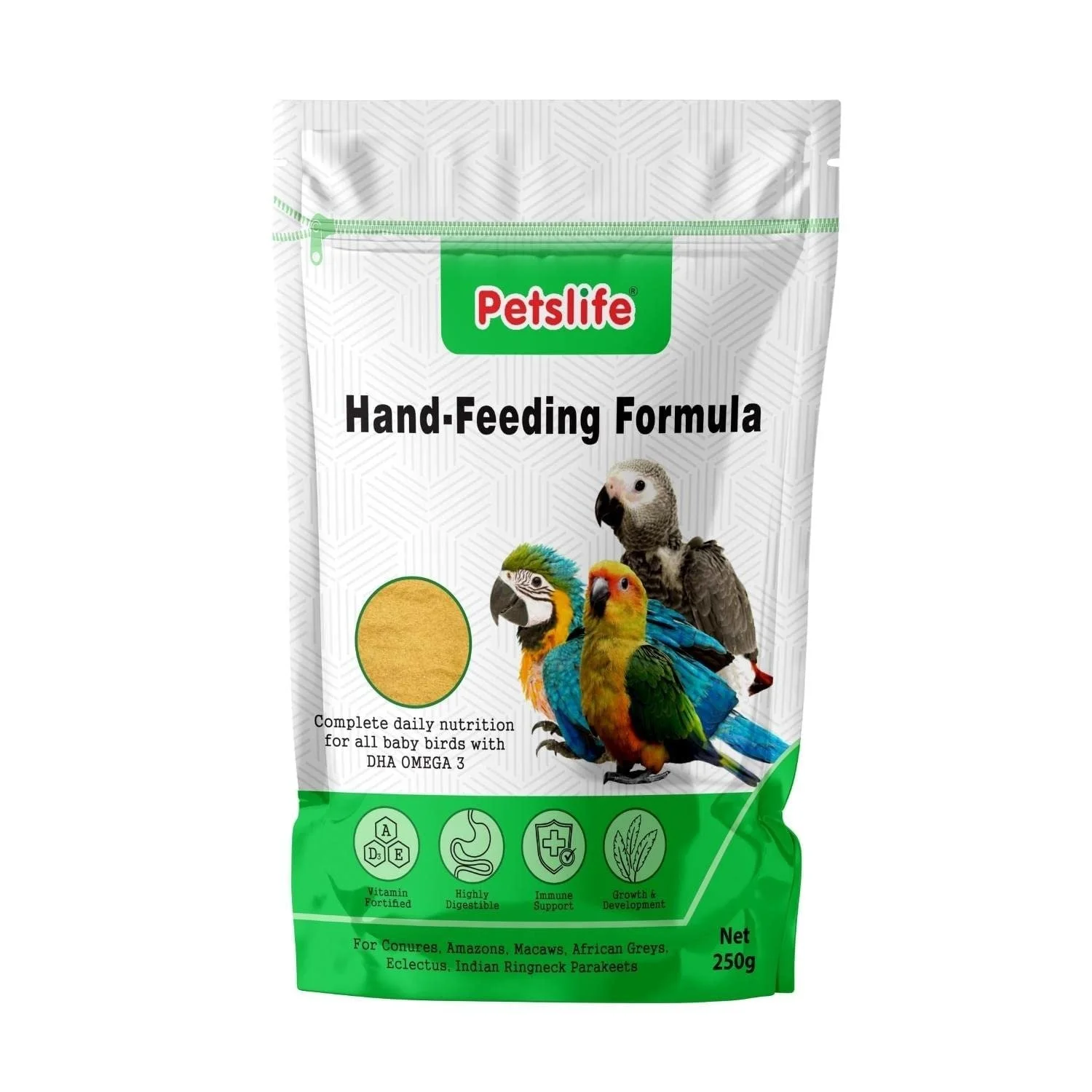
Petslife Hand Feeding Formula For Baby Birds
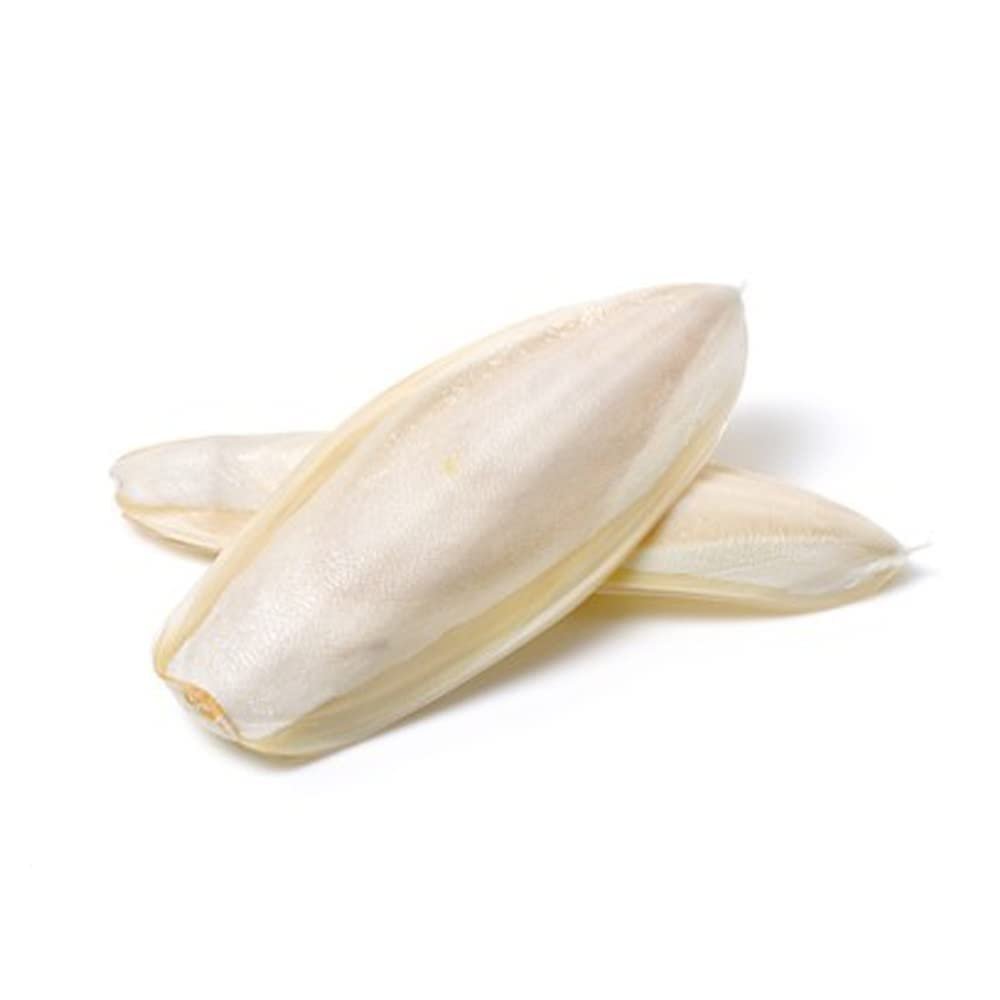
Cuttlefish Bone 100g Stone White - (Pack of 02 Pcs)
You May Also Like
Jerhigh Roasted Duck Chunks In Gravy Wet Dog Food (120g)
Whiskas With Ocean Fish Adult Cat Wet Food (80g)

Canine Creek Starter Dry Dog Food | Advanced Pet Nutrition | Life Preservation Formula | Grain Free
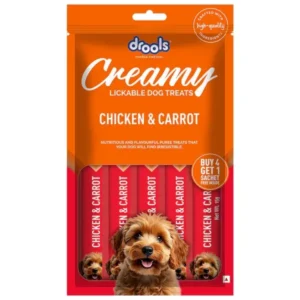
Drools Chicken & Carrot Creamy Dog Treats (75g)
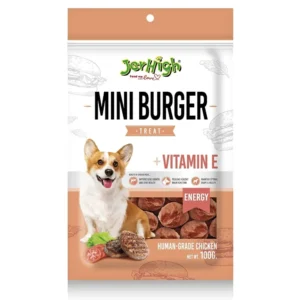
Jerhigh Mini Burger Dog Treats (100g)
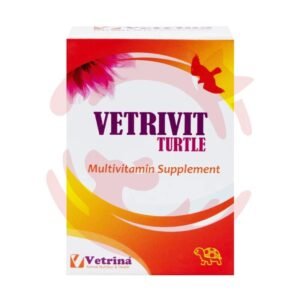
Vetrina Vetrivit Multivitamin Supplement for Turtles (30ml)
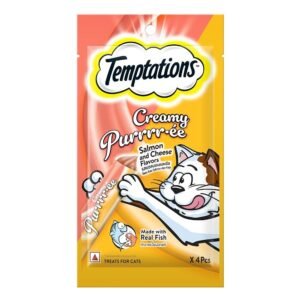
Temptations Creamy Purrrr-ee Salmon & Cheese Cat Treats (48g)

SmartHeart Strawberry Flavor Creamy Dog Treats (60g)

Cat Litter Tray with Rim for Small Cats and Kittens – (Sea Green – Extra Small) (38x29x15cm) Semi-Closed Design and Durable Quality | Reduces Odor and Toilet Training Your Kitten
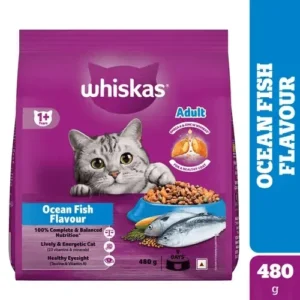
Whiskas Ocean Fish Flavour Adult Cat Dry Food
Premium Parrot Food – Nutritious, Delicious & Healthy Food for Your Feathered Friend
Give your beloved bird the nutrition it deserves with our premium parrot food, thoughtfully selected to support a happy, active, and healthy life. Whether you have a playful budgie-sized parrot, a charming Indian Ringneck, an intelligent African Grey, a colourful Cockatiel, or a majestic Macaw, choosing the right food is one of the most important steps towards responsible bird care.
Parrots are intelligent, energetic, and curious companions who need more than just something to eat. They need balanced nutrition, variety, and food that suits their species, size, and individual dietary requirements. Our parrot food range is designed to help bird owners make confident feeding choices while bringing more excitement to everyday mealtimes.
From delicious parrot food seeds and nutritious pellets to carefully selected food blends, discover options that make feeding time enjoyable and help you build a consistent feeding routine for your feathered companion.
Choose quality parrot food today and take a positive step towards better everyday bird care.
Why Choose Our Parrot Food?
Your parrot depends on you for nourishment, comfort, and care. Providing suitable food is an essential part of meeting those needs. Our parrot food selection focuses on convenience, variety, and the nutritional considerations that matter when choosing food for pet birds.
Carefully Selected Ingredients
Quality ingredients are an important consideration when shopping for parrot food. Depending on the product you choose, ingredients may include grains, seeds, legumes, pellets, and other suitable components formulated or selected for particular bird species.
Always check the individual product label for its ingredient list and nutritional information so you can select food that aligns with your parrot’s needs.
Nutrition for Everyday Well-Being
A suitable diet provides energy for daily movement, climbing, flying, playing, and exploring. Choosing an appropriate parrot food can help you establish a consistent feeding routine and support your bird’s overall well-being.
Different parrots have different nutritional requirements, so the best food depends on factors such as species, age, activity level, and health status.
Delicious Variety for Happier Mealtimes
Parrots are naturally curious birds. Appropriate variety, food enrichment, and safe opportunities to explore different textures can make mealtimes more engaging.
Explore our range of parrot food options to find a suitable choice for your feathered friend. Introduce new foods gradually and monitor your bird’s acceptance rather than assuming every parrot will enjoy the same blend.
Convenient Feeding for Bird Owners
Looking after a parrot should be rewarding, not complicated. Choosing an appropriate food product with clear feeding instructions makes it easier to plan meals, monitor consumption, and maintain a consistent routine.
Whether you are an experienced bird keeper or welcoming your first parrot home, our parrot food collection helps you explore feeding options in one convenient place.
Find the Best Parrot Food for Your Bird
Not all parrots eat the same diet. A food that works well for one species may not provide the right nutritional balance for another. Understanding your bird’s requirements will help you make a better purchasing decision.
Parrot Food for Indian Ringnecks
Indian Ringnecks are active, intelligent birds that benefit from a varied and nutritionally appropriate diet. When choosing parrot food for an Indian Ringneck, look for a suitable complete pellet or formulated diet where appropriate, complemented by carefully selected vegetables and other veterinarian-approved foods.
Seeds can be useful components of some feeding plans, but a seed-only diet may be nutritionally unbalanced. Choose products according to your bird’s needs rather than colour, appearance, or popularity alone.
Parrot Food for African Grey Parrots
African Grey parrots need attentive dietary management. Their nutritional requirements make it particularly important to avoid relying exclusively on sunflower seeds or other high-fat seed mixes.
A suitable formulated diet, together with appropriate vegetables and other recommended foods, can help provide a more balanced feeding plan. Consult an avian veterinarian about the best diet for your African Grey, especially when changing food or addressing a suspected nutritional deficiency.
Parrot Food for Macaws
Macaws are large, energetic parrots with species-specific dietary requirements. Their size does not mean that every seed mix or nut-heavy food is appropriate for everyday feeding.
When buying parrot food for a Macaw, consider the product’s intended species, nutritional composition, feeding instructions, and suitability for your individual bird. Nuts may be appropriate in controlled amounts for some species, but they should not automatically replace a balanced diet.
Parrot Food for Cockatiels and Smaller Parrots
Smaller companion birds need food that suits their size and nutritional requirements. Cockatiels, budgerigars, lovebirds, and other small parrots should not automatically be fed the same products or portions as large parrots.
Choose a diet specifically designed for the relevant species or bird size, and check whether the food is intended as a complete diet, a complementary food, or an occasional treat.
Parrot Food for Baby Parrots
Young parrots have different nutritional needs from adult birds. Hand-rearing formula must be specifically designed for the relevant species and used according to appropriate preparation, hygiene, and feeding instructions.
Do not substitute adult seed mixes or ordinary adult parrot food for a suitable hand-rearing formula. If you are caring for an unweaned parrot, seek guidance from an experienced avian veterinarian or qualified breeder.
Explore Different Types of Parrot Food
Finding the right parrot food starts with understanding the available options. Each type has a different role, and not every product is intended to serve as a complete daily diet.
1. Parrot Food Seeds
Seeds are popular among many companion birds because of their familiar textures and flavours. Depending on the blend, seed mixes may contain millet, safflower seeds, sunflower seeds, and other ingredients.
However, seed mixes differ significantly in nutritional composition. Some are high in fat or allow selective feeding, in which a bird eats preferred ingredients and leaves others behind.
Choose seed products carefully and use them according to your bird’s dietary plan. For many companion parrots, an appropriate formulated diet is preferable as the main dietary foundation rather than an unrestricted seed-only diet.
2. Formulated Parrot Food Pellets
Pelleted diets are designed to provide a more consistent nutritional profile in each serving. For many companion parrot species, a suitable formulated pellet can serve as the primary dietary foundation, alongside vegetables and other foods recommended for that species.
When selecting parrot food pellets, consider the bird’s species, pellet size, product formulation, and feeding directions. If your bird currently eats only seeds, transition gradually under suitable guidance rather than suddenly replacing its familiar diet.
3. Parrot Food Mixes
Parrot food mixes combine different ingredients to offer variety and convenience. Depending on the product, a mix may contain seeds, grains, pellets, dried ingredients, or other components.
Read the packaging carefully to understand whether the mix is nutritionally complete or intended to complement another diet. A colourful or varied mixture is not necessarily a balanced one.
4. Natural Food Supplements and Treats
Suitable treats can make training, enrichment, and bonding more rewarding. Some parrots enjoy small pieces of approved fruit, vegetables, or other species-appropriate foods.
Treats should complement, not replace, a nutritionally appropriate daily diet. Avoid products containing excessive added sugar, salt, or unsuitable ingredients, and never feed parrots avocado, chocolate, alcohol, or caffeinated drinks.
What Makes Good Parrot Food?
Choosing quality parrot food involves more than comparing package sizes or selecting the most attractive product. Understanding the basics can help you make a more informed decision.
Nutritional suitability: The food should match your parrot’s species and life stage and fit into an appropriate overall diet.
Ingredient transparency: Clear ingredient lists and nutritional information make it easier to assess a product before buying.
Freshness and storage: Check the expiry or best-before date, packaging integrity, and storage instructions. Store food in a cool, dry place in a clean, sealed container when appropriate.
Appropriate food size: Pellets and other food pieces should suit the bird’s size and feeding habits.
Reliable feeding guidance: Follow the manufacturer’s instructions and your avian veterinarian’s recommendations, particularly if your bird has special dietary requirements.
Consistent quality: Choose products from reputable suppliers that provide clear product details and responsible storage and handling.
By keeping these considerations in mind, you can shop for parrot food with greater confidence and choose products that fit your bird’s everyday care routine.
Benefits of Choosing Suitable Parrot Food
A well-planned diet plays an important role in your parrot’s quality of life. Although no single product can guarantee perfect health, selecting appropriate food supports responsible, long-term bird care.
Supports Everyday Energy
Parrots need energy for flying, climbing, playing, communicating, and interacting with their surroundings. A suitable diet helps provide the nutrients required for their daily activities.
Helps Maintain Overall Health
Balanced nutrition is one part of a broader approach to bird wellness. Suitable food, fresh water, appropriate housing, mental stimulation, exercise, and regular veterinary care all contribute to responsible parrot ownership.
Encourages a Consistent Feeding Routine
A clearly labelled parrot food product can simplify meal planning and make it easier to monitor how much your bird eats.
Observe your parrot’s appetite, droppings, behaviour, and body condition. Changes in these patterns can sometimes indicate a health concern and should be discussed with an avian veterinarian.
Makes Feeding More Engaging
Appropriate food enrichment encourages natural foraging behaviours and gives parrots opportunities to explore their environment. Depending on the species and the food, this may involve offering suitable foods in foraging toys or using small portions during positive-reinforcement training.
Always ensure that enrichment activities are safe, hygienic, and suitable for your bird.
How to Choose the Right Parrot Food
With so many products available, selecting the right parrot food can feel overwhelming. These simple steps can make the process easier.
Step 1: Identify your parrot’s species. Start by checking whether the product is intended for your specific type of bird. African Greys, Macaws, Ringnecks, Cockatiels, and other parrots can have different nutritional needs.
Step 2: Consider your bird’s age and condition. Chicks, growing birds, healthy adults, and birds with medical conditions may require different feeding approaches.
Step 3: Read the product label. Check the ingredients, nutritional analysis, intended use, and feeding recommendations. Confirm whether the product is a complete diet or a complementary food.
Step 4: Compare feeding options. Consider suitable formulated pellets, seed mixes, and other recommended foods in the context of your bird’s complete diet.
Step 5: Introduce changes gradually. Sudden dietary changes can cause some parrots to reject unfamiliar foods. Follow an appropriate transition plan and monitor food intake closely. Seek veterinary guidance if your bird is eating poorly.
Step 6: Monitor your parrot’s response. Watch for changes in appetite, weight, droppings, and general behaviour. Contact an avian veterinarian if you notice concerning changes.
Making an informed choice today can help you build a more dependable feeding routine for the years ahead.
Feeding Tips for a Happy, Healthy Parrot
Even good parrot food needs to be offered appropriately. A few simple habits can help make everyday feeding safer and more effective.
- Provide fresh, clean drinking water every day.
- Follow product-specific feeding instructions and veterinary advice.
- Offer suitable vegetables and other recommended foods as part of a balanced dietary plan.
- Remove spoiled fresh food promptly to maintain hygiene.
- Clean food and water bowls regularly.
- Avoid relying on a seed-only diet unless specifically advised for an unusual medical circumstance.
- Limit treats to appropriate quantities.
- Store dry food securely to protect it from moisture, pests, and contamination.
- Monitor your bird’s body condition and food consumption.
- Consult an avian veterinarian before making major dietary changes or using supplements.
Remember that parrots can hide signs of illness. A sudden loss of appetite, reduced food intake, or noticeable weight change deserves prompt attention.
Why Buy Parrot Food From Our Store?
When shopping for parrot food online, you want a straightforward experience, clear product information, and options that help you make the right decision for your bird.
Our collection is designed to make exploring parrot feeding options easier, whether you are restocking an everyday essential or looking for a suitable alternative to your current product.
Convenient Online Shopping
Browse available parrot food products from the comfort of your home. Compare product descriptions, package sizes, ingredients, and feeding instructions before selecting an option.
Options for Different Feeding Needs
Every bird is different. Explore the available products to find food suitable for your parrot’s species, size, and dietary requirements.
Clear Product Information
We encourage informed shopping by helping customers focus on the details that matter, including ingredients, intended use, nutritional information, and storage guidance.
A Simple Way to Replenish Supplies
Maintaining a regular supply of suitable parrot food helps you keep your bird’s feeding routine consistent. Choose a package size that suits your bird’s consumption and your storage conditions.
Your feathered companion depends on you every day. Make every purchasing decision count by choosing food that fits into a responsible, species-appropriate feeding plan.
Parrot Food Price: What Should You Consider?
The price of parrot food can vary depending on the ingredients, formulation, brand, package size, and intended bird species.
Seed mixes, formulated pellets, specialist diets, and complementary treats may have different prices because they serve different purposes. Comparing products only by the initial package price may not provide the clearest picture of value.
When comparing parrot food prices, consider:
- Package quantity: Check the net weight and estimate how long the product will last.
- Nutritional suitability: Prioritise a food that meets your bird’s needs over one selected solely because it is inexpensive.
- Ingredient quality: Review the ingredient list and nutritional information.
- Storage requirements: Buy an amount you can store properly and use while fresh.
- Feeding instructions: Understand the product’s intended role in your bird’s diet before purchasing.
The best value comes from choosing a suitable product that supports a sensible feeding routine, not simply from buying the largest or cheapest package.
Explore our available products and compare the details to find an option that works for your parrot and your budget.
Frequently Asked Questions About Parrot Food
1. What is the best food for a parrot?
The best parrot food depends on the species, age, health, and individual needs of the bird. For many companion parrots, a suitable formulated pellet diet, supplemented with appropriate vegetables and other recommended foods, can provide a strong dietary foundation. An avian veterinarian can help determine the right approach for your bird.
2. Can parrots eat seeds every day?
Some seeds can form part of a parrot’s diet, but a seed-only diet is often nutritionally unbalanced. Many commonly kept companion parrots benefit from a suitable formulated diet as their primary food, with seeds offered according to an appropriate feeding plan.
3. How often should I feed my parrot?
Feeding frequency and portion sizes depend on the species, age, health, and type of food. Follow the product instructions and your veterinarian’s advice. Monitor your bird’s actual intake rather than assuming that food placed in the bowl has been eaten.
4. Can I feed my parrot fruits and vegetables?
Many parrots can safely eat a variety of suitable fresh vegetables and some fruits. Wash produce thoroughly, introduce new foods gradually, and offer appropriate portions. Avoid avocado and other known unsafe foods, and consult a reliable avian nutrition resource if you are unsure about a particular ingredient.
5. Is parrot food different for every species?
Yes. Different parrot species can have different nutritional requirements, food preferences, and feeding behaviours. Always check that a product is suitable for your bird rather than assuming one food is appropriate for every parrot.
6. How should I store parrot food?
Store dry parrot food according to the manufacturer’s instructions, generally in a cool, dry place away from direct sunlight and pests. Keep the container clean and properly sealed, and discard food that is damp, mouldy, contaminated, or otherwise spoiled.
7. How can I transition my parrot to a new food?
Introduce unfamiliar food gradually while monitoring how much your bird actually eats. Some parrots take time to accept new textures and flavours. Avoid abruptly removing the familiar diet, as a bird that refuses new food may not consume enough. Seek veterinary advice if intake decreases or you are concerned about the transition.
8. Can baby parrots eat adult parrot food?
Unweaned baby parrots generally require an appropriate hand-rearing formula rather than ordinary adult seed mixes or pellets. Feeding young birds requires proper knowledge of preparation, temperature, hygiene, and technique. Seek guidance from an experienced avian professional.
9. How do I know if my parrot is eating enough?
Monitor your bird’s food consumption, body weight, droppings, behaviour, and general condition. Seed shells can make a bowl look full even when little edible food remains, so inspect it carefully. Contact an avian veterinarian if your parrot eats less than usual or shows signs of illness.
10. Where can I buy quality parrot food online?
You can explore our parrot food collection to compare available products, ingredients, package sizes, and feeding information. Choose a product that matches your bird’s species and dietary requirements, and review the product details before placing your order.
Give Your Parrot the Care It Deserves
Your parrot brings colour, personality, intelligence, and companionship into your life. Providing suitable food is one of the everyday ways you can support that special bond.
Explore our parrot food collection and discover options designed to make feeding decisions easier. Whether you are looking for an appropriate formulated diet, a complementary seed mix, or a suitable feeding option for your bird’s specific needs, take the time to compare ingredients, nutritional details, and feeding recommendations.
Choose thoughtfully, feed responsibly, and make your parrot’s well-being a priority.
Shop parrot food today and take the next step towards a happier, healthier feeding routine for your feathered companion!