

Aquarium Air Pump
Search
Price
No products were found matching your selection.
You May Also Like
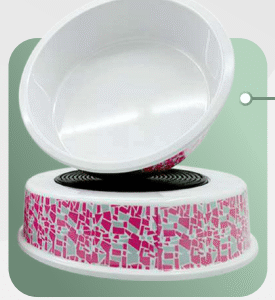
MELAMINE HEAVY DISH BOWL (Diameter 14.5cm)

Drools Absolute Calcium Milk Bone for All Life Stages Pouch (95g)

Bio Clean Extra Mild Dog Shampoo | Gentle & Hypoallergenic Formula | Soothes Sensitive Skin & Maintains Coat Health

Drools Vet Pro Mobility Adult Dog Dry Food


Jerhigh Milky Stix Dog Treats (100g)

Bird Toys Parrot Bird Swing Toys with Colorful Wood Beads Bells and Wooden Pet Bird Cag Hammock Hanging Perch for Budgie Lovebirds Parakeet Cages Decorative Accessories for Parakeets. (2nos)

Temptations Mix Flavour Cat Treats Pack of 4 (85g)

Oh My Dog Oatmeal and Itch Relief Shampoo | Smartypet Pet Products

Jerhigh Carrot Stix Dog Treats (100g)
Aquarium Air Pump – Keep Your Aquarium Fresh, Healthy, and Full of Life
Create a beautiful, vibrant, and healthy aquatic environment with a high-quality Aquarium Air Pump. Whether you have a small home aquarium, a decorative fish tank, or a large freshwater setup, the right air pump can make a remarkable difference in maintaining proper water circulation and supporting your fish’s well-being. Designed to help deliver a steady supply of air to your aquarium, an aquarium air pump is an essential accessory for fish enthusiasts who want to create a comfortable and attractive underwater environment.
A healthy aquarium is more than just clear water and colorful fish. It is a carefully balanced ecosystem where oxygen availability, water movement, filtration, and regular maintenance work together. An efficient aquarium air pump helps introduce air into the water through an air stone, bubble wall, or compatible aquarium accessory, creating beautiful bubbles while promoting gas exchange at the water’s surface.
Whether you are a beginner setting up your first fish tank or an experienced aquarist upgrading your existing equipment, choosing the right aquarium air pump can help you maintain a cleaner-looking, more comfortable, and visually appealing aquarium.
Discover the perfect balance of performance, convenience, and value with an aquarium air pump that supports your aquarium care routine and brings your underwater world to life.
Why Choose an Aquarium Air Pump for Your Fish Tank?
Your fish deserve a comfortable environment where they can swim freely and thrive. An aquarium air pump can help improve the movement of water and support oxygen exchange, making it a valuable addition to many aquarium setups.
Unlike decorative accessories that simply enhance the appearance of your fish tank, an aquarium air pump can serve a practical purpose while adding an attractive stream of bubbles to your aquatic display.
Here are some reasons why aquarium owners choose an air pump for their fish tanks.
1. Support Healthy Oxygen Exchange
Oxygen is essential for fish and other aquatic organisms. An aquarium air pump pushes air through connected tubing and an air stone or similar accessory, creating bubbles that rise through the water. The movement helps disturb the water’s surface, supporting gas exchange between the aquarium water and the surrounding air.
Although bubbles themselves do not guarantee adequate dissolved oxygen, the circulation and surface movement they create can contribute to a healthier aquarium environment.
For tanks with higher oxygen demands, careful selection of the air pump and appropriate filtration are especially important.
2. Improve Water Movement
Stagnant areas can develop in aquariums when water circulation is insufficient. Depending on how it is installed, an aquarium air pump can help create water movement through a compatible air-driven filter or other equipment.
Improved circulation can help distribute oxygen and support the movement of water throughout the tank. This can be particularly useful in aquariums where certain areas receive limited flow.
Pair your aquarium air pump with suitable filtration and routine cleaning to maintain a well-balanced aquatic environment.
3. Create a Stunning Bubble Effect
Transform an ordinary fish tank into an eye-catching underwater display. An aquarium air pump can power air stones, bubble ornaments, and bubble walls that create a stream of attractive bubbles.
The gentle movement of bubbles adds depth, texture, and visual appeal to your aquarium. Whether you prefer a minimalist setup or a colorful decorative tank, the right bubbling accessory can enhance the overall appearance of your aquatic space.
Enjoy a more dynamic aquarium that becomes a beautiful focal point in your living room, office, bedroom, or workspace.
4. Support Air-Driven Filtration
Many aquarium filters use air pressure to draw water through a filtration medium. A compatible aquarium air pump can power equipment such as sponge filters, making it a practical choice for breeding tanks, quarantine tanks, and smaller aquariums.
Sponge filters provide mechanical filtration and a surface for beneficial bacteria to grow. These bacteria help process harmful ammonia and nitrite as part of the aquarium’s biological filtration system.
An air pump does not replace filtration, but it can be an important component of a suitable air-driven filtration setup.
5. A Useful Addition for Different Aquarium Setups
An aquarium air pump can suit a variety of aquatic environments when its airflow capacity matches the tank and connected accessories.
It can be useful for:
- Small home aquariums and desktop fish tanks.
- Freshwater community aquariums.
- Breeding and fry-rearing tanks.
- Quarantine and hospital tanks.
- Aquariums using compatible sponge filters.
- Decorative aquariums featuring air stones or bubble ornaments.
Always check the pump’s specifications and the requirements of your fish before selecting a model.
Powerful Features to Look for in an Aquarium Air Pump
Choosing the right aquarium air pump means looking beyond its appearance. The best option for your aquarium should offer suitable airflow, convenient operation, and dependable performance for your particular setup.
Consistent Airflow for Everyday Aquarium Care
A reliable aquarium air pump should deliver airflow appropriate for its intended application. Consistent air delivery helps power compatible accessories and maintain the bubbling effect you want.
When comparing models, check the rated airflow, operating pressure, and the number of outlets. These details help you determine whether the pump can support one air stone, multiple outlets, or an air-driven filter.
For deeper tanks, consider the pump’s pressure capability as well as its advertised airflow.
Energy-Efficient Operation
An aquarium air pump may run for extended periods, so energy consumption deserves attention. Choosing a model with suitable power consumption can help you manage electricity use while maintaining your aquarium’s needs.
Compare the wattage of different models and consider how many hours per day the pump will operate.
For example, a pump rated at 5 watts running continuously for 24 hours uses approximately 0.12 kilowatt-hours of electricity per day. Actual operating costs depend on the local electricity tariff and the product’s actual power consumption.
Quiet and Comfortable Performance
The sound of aquarium equipment can affect the comfort of your home or workspace. A quieter aquarium air pump can be especially desirable for bedroom aquariums, study areas, and offices.
Noise levels depend on the motor design, installation surface, airflow setting, and condition of the equipment. Place the pump on a stable, level surface and avoid positioning it where vibrations can be amplified by furniture.
If quiet operation is a priority, look for a product with a verified noise rating or manufacturer-supported low-noise design.
Compact Design for Easy Placement
A compact aquarium air pump can be easier to position near your fish tank without taking up unnecessary space.
Its size, weight, and mounting options may be important if you have a small aquarium stand or limited room around your setup. Before purchasing, compare the pump’s dimensions with the available space.
Keep the unit dry, adequately ventilated, and positioned according to the manufacturer’s instructions.
Simple Installation and Maintenance
Aquarium equipment should make fishkeeping easier, not more complicated. A user-friendly aquarium air pump can help simplify your daily aquarium care routine.
A typical installation may require compatible airline tubing, an air stone or sponge filter, and a check valve when appropriate. The exact accessories depend on the model and your aquarium configuration.
Regularly inspect the tubing, air outlets, and pump components for blockages, wear, or reduced airflow. Follow the manufacturer’s cleaning and maintenance instructions to help maintain performance.
How Does an Aquarium Air Pump Work?
Understanding how an aquarium air pump works can help you get the best results from your equipment.
An air pump draws in air from the surrounding environment and pushes it through an outlet connected to airline tubing. The tubing carries the air into the aquarium, where an air stone or another compatible accessory releases it into the water.
As the bubbles rise, they create movement and help disturb the water’s surface. This supports gas exchange, allowing oxygen to enter the water and carbon dioxide to escape.
When connected to a suitable sponge filter, the rising bubbles can also create an airlift effect that draws aquarium water through the filter material.
The result is a practical combination of aeration, circulation, and, where compatible equipment is used, filtration support.
Remember that the amount of oxygen available in your aquarium depends on several factors, including water temperature, fish stocking levels, surface agitation, and biological activity. An air pump is a helpful tool, but it should be used as part of a complete aquarium care routine.
How to Choose the Right Aquarium Air Pump
Every aquarium has different requirements. Selecting an appropriately sized aquarium air pump can help you achieve effective aeration without unnecessary noise, energy use, or equipment costs.
Consider Your Aquarium Size
Start by checking your fish tank’s capacity. Smaller tanks may require less airflow, while larger aquariums or tanks with higher oxygen demands may need a more capable pump or multiple suitable outlets.
However, tank volume alone does not determine the correct pump size. Fish species, stocking density, water temperature, tank depth, and connected accessories also influence your requirements.
Choose a model according to its published specifications and the needs of your aquarium.
Check the Airflow Rating
Airflow is commonly measured in litres per minute (L/min) or litres per hour (L/h). A higher rating does not automatically make a pump better for every aquarium.
Instead, consider the airflow required by your air stone, sponge filter, or other connected accessories. If the product includes adjustable airflow, check whether the adjustment range suits your needs.
Evaluate the Number of Outlets
If you want to supply air to multiple locations, an aquarium air pump with multiple outlets may be convenient.
For example, separate outlets can supply air stones in different areas or operate compatible air-driven accessories. However, the pump must provide sufficient total airflow and pressure for all connected devices.
Check the manufacturer’s outlet specifications before connecting multiple accessories.
Think About Noise and Placement
Consider where your aquarium is located. A pump used in a bedroom may require different noise characteristics from one used in a dedicated fish room.
A stable mounting surface, correctly fitted tubing, and suitable vibration isolation can help reduce unwanted noise. Avoid covering the pump in a way that restricts ventilation.
Match the Pump to Your Budget and Needs
The most expensive aquarium air pump is not necessarily the best choice for your tank. Focus on useful features, verified performance, durability, energy consumption, and the accessories you actually need.
A well-matched pump can deliver better value than a more powerful model that is unsuitable for your aquarium.
Aquarium Air Pump for Different Fish Tank Applications
An aquarium air pump can be used in many setups, provided the equipment is appropriate for the application.
Home Aquariums
For home fish tanks, an aquarium air pump can help create attractive bubbles while supporting water movement. It can be particularly useful when paired with a suitable air stone or compatible filter.
Choose a model that fits your tank size, available space, and preferred noise level.
Breeding Aquariums
Breeding tanks and fry-rearing setups may benefit from gentle aeration and sponge filtration. A suitably adjusted air pump can help provide water movement while supporting a biological filtration system.
Because eggs and young fish can be sensitive to strong currents, always adjust airflow to suit the species and stage of development.
Quarantine Tanks
A separate quarantine tank is useful when introducing new fish or monitoring fish that may be unwell. A compatible air pump and sponge filter can help provide aeration and biological filtration when properly established.
Remember that an air pump alone does not treat disease or remove all harmful substances. Water testing, appropriate treatment, and regular maintenance remain essential.
Decorative Aquariums
If appearance is important to you, an aquarium air pump can power bubble ornaments and air stones to create a lively underwater effect.
Choose accessories that are safe for aquarium use and appropriate for your fish. Keep the layout simple enough to allow easy cleaning and comfortable swimming space.
Aquarium Air Pump Installation Guide
Installing an aquarium air pump is generally straightforward when you follow the product instructions and use compatible accessories.
Step 1: Select a suitable location. Place the pump on a stable, dry surface with adequate ventilation. Follow the manufacturer’s guidance for positioning the pump relative to the aquarium.
Step 2: Connect the airline tubing. Attach compatible tubing securely to the pump’s air outlet.
Step 3: Attach the aquarium accessory. Connect the other end of the tubing to an air stone, sponge filter, or other compatible device.
Step 4: Install a check valve when appropriate. A check valve can help prevent aquarium water from flowing backward through the tubing if the pump stops. Install it in the correct direction according to its instructions.
Step 5: Position the accessory. Place the air stone or filter where it can operate effectively without disturbing fish or obstructing essential aquarium equipment.
Step 6: Start and inspect the system. Switch on the pump and check for consistent airflow, secure connections, and excessive vibration.
Step 7: Monitor your aquarium. Observe your fish and check the water conditions to make sure the setup is suitable for the aquarium’s inhabitants.
For electrical safety, keep plugs and connections dry and arrange a drip loop in the power cord where appropriate. Use suitable electrical protection and never handle electrical equipment with wet hands.
Aquarium Air Pump Maintenance Tips for Long-Lasting Performance
Regular maintenance can help your aquarium air pump continue operating effectively.
- Inspect airline tubing: Check for cracks, loose connections, kinks, or blockages that can reduce airflow.
- Clean air stones: Mineral deposits and debris can restrict airflow. Clean or replace the air stone according to its care instructions.
- Check filters and accessories: If you use an air-driven sponge filter, maintain the filter media according to your aquarium’s needs.
- Monitor unusual noise: Increased vibration or a change in sound may indicate a loose component, worn part, or blocked airflow.
- Keep the pump ventilated: Avoid covering the unit or placing it in an enclosed, damp space.
- Follow manufacturer guidance: Clean and service the pump only as instructed, disconnecting the power before maintenance.
If airflow drops noticeably, inspect the entire system rather than assuming the pump itself is faulty. A blocked air stone, damaged tubing, or excessive back pressure can also affect performance.
Aquarium Air Pump vs. Water Pump: What Is the Difference?
Although both devices can support aquarium circulation, an aquarium air pump and an aquarium water pump perform different functions.
An aquarium air pump moves air through tubing and releases it into the water through an accessory. It is commonly used for aeration, bubbling effects, and powering compatible air-driven filters.
An aquarium water pump moves water directly. It may be used to circulate water, supply a filter, or support other equipment that requires water flow.
Some aquarium setups benefit from both types of pumps because they serve different purposes. Your choice should depend on the aquarium’s circulation, filtration, and oxygenation requirements.
Common Aquarium Air Pump Buying Mistakes to Avoid
Choosing the wrong equipment can make aquarium maintenance more difficult. Avoid these common mistakes when shopping for an aquarium air pump.
Buying based only on tank size: Two tanks with the same capacity can have very different airflow requirements. Consider fish stocking, water temperature, tank depth, and connected accessories.
Ignoring pressure requirements: A pump may have an attractive airflow rating but struggle to deliver the required flow against the resistance of a deep tank or fine-pore air stone. Check the operating pressure specifications.
Overlooking noise levels: A noisy pump can become frustrating over time, especially in quiet rooms. Review verified noise information and consider how the pump will be installed.
Assuming bubbles guarantee enough oxygen: Visible bubbles are not a reliable measurement of dissolved oxygen. Observe your fish and monitor water quality, particularly during warm weather or periods of increased biological activity.
Skipping maintenance: Blocked accessories and damaged tubing can reduce airflow. Routine inspections help identify problems before they affect your aquarium.
Ignoring electrical safety: Aquarium equipment operates near water, so safe positioning, suitable electrical protection, and careful handling are essential.
Why Invest in a Quality Aquarium Air Pump?
A well-chosen aquarium air pump can make aquarium care more convenient while improving the functionality and appearance of your setup.
From supporting compatible air-driven filters to creating a beautiful bubble display, the right pump can serve several useful purposes. It can also help you build a more adaptable aquarium system as your fishkeeping experience grows.
When choosing your next aquarium accessory, focus on dependable airflow, suitable pressure, practical design, manageable noise, and easy maintenance. These qualities can help you select equipment that meets your needs without paying for unnecessary features.
Most importantly, remember that successful fishkeeping comes from combining appropriate equipment with regular water testing, correct stocking levels, suitable filtration, and consistent maintenance.
Frequently Asked Questions About Aquarium Air Pumps
1. What is an aquarium air pump used for?
An aquarium air pump supplies air to compatible accessories such as air stones and sponge filters. It can create bubbles, promote surface movement, support gas exchange, and operate certain air-driven filtration systems.
2. Is an aquarium air pump necessary for every fish tank?
No. Many aquariums can maintain sufficient oxygen levels through effective filtration and surface agitation without a separate air pump. However, an air pump can be useful when additional aeration or air-driven filtration is required.
3. Should an aquarium air pump run all the time?
Many aquarists operate their air pumps continuously when the pump supports essential aeration or filtration. Whether continuous operation is necessary depends on the aquarium, fish species, equipment, and water conditions. Follow the equipment instructions and avoid interrupting essential filtration.
4. Can an aquarium air pump help fish get more oxygen?
Yes, an appropriately configured air pump can support oxygen exchange by creating surface movement. However, its effectiveness depends on factors such as tank conditions, temperature, stocking levels, and water circulation. Bubbles alone do not guarantee adequate dissolved oxygen.
5. How do I choose the right aquarium air pump size?
Check your aquarium capacity, required airflow, tank depth, connected accessories, and fish species. Compare the manufacturer’s airflow and pressure specifications to determine whether the pump is suitable for your setup.
6. Can I use one aquarium air pump for two fish tanks?
Potentially, yes. A pump with sufficient airflow and pressure may supply two tanks using compatible tubing and a suitable distribution manifold. Each tank may require a check valve and an appropriate airflow adjustment. Make sure the combined demand remains within the pump’s specifications.
7. Why is my aquarium air pump noisy?
Noise can result from vibration against a hard surface, loose tubing, blocked accessories, or worn pump components. Check the installation, inspect the airline system, and follow the manufacturer’s maintenance instructions.
8. Does an aquarium air pump replace a filter?
No. An air pump provides air and may power an air-driven filter, but the pump alone does not remove suspended waste or provide biological filtration. Use an appropriate filtration system and maintain it regularly.
9. Can I use an aquarium air pump in a freshwater tank?
Yes. Aquarium air pumps are commonly used in freshwater aquariums, provided the model and accessories are suitable for the setup. They can also be used in many marine aquariums when compatible with the equipment and environment.
10. What accessories do I need for an aquarium air pump?
Common accessories include airline tubing, an air stone or compatible sponge filter, and a check valve where appropriate. Additional connectors or a manifold may be needed for multiple outlets. Check which accessories are included with your chosen product.
Bring Your Aquarium to Life with the Right Aquarium Air Pump
Your aquarium deserves equipment that combines practical performance with everyday convenience. A suitable aquarium air pump can help support gas exchange, power compatible air-driven filtration, and create the beautiful bubbles that make a fish tank stand out.
Whether you are upgrading an existing setup or building a new aquatic environment, choose an aquarium air pump that matches your tank size, airflow requirements, and maintenance preferences.
Explore our aquarium air pump range to find an option that suits your fish tank and your budget. With the right equipment and responsible aquarium care, you can create an inviting underwater environment that you and your fish can enjoy every day.
Shop your aquarium air pump today and take the next step toward a healthier, more beautiful aquarium.