Dog Training Treats
Search
Price
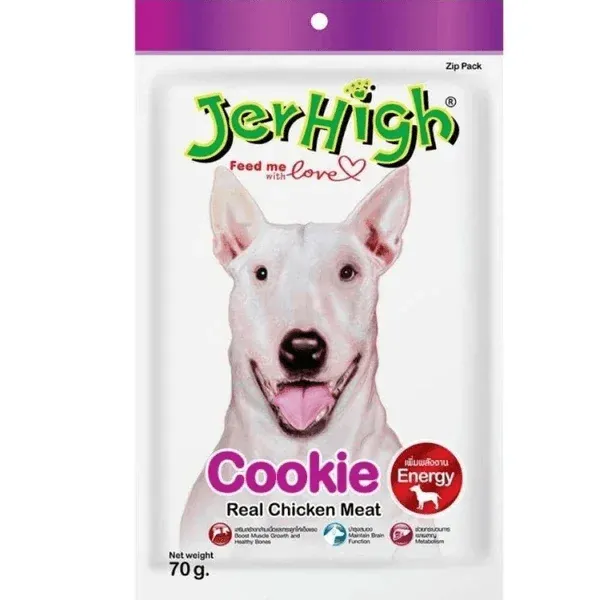
Jerhigh Cookie Dog Treats (70g)
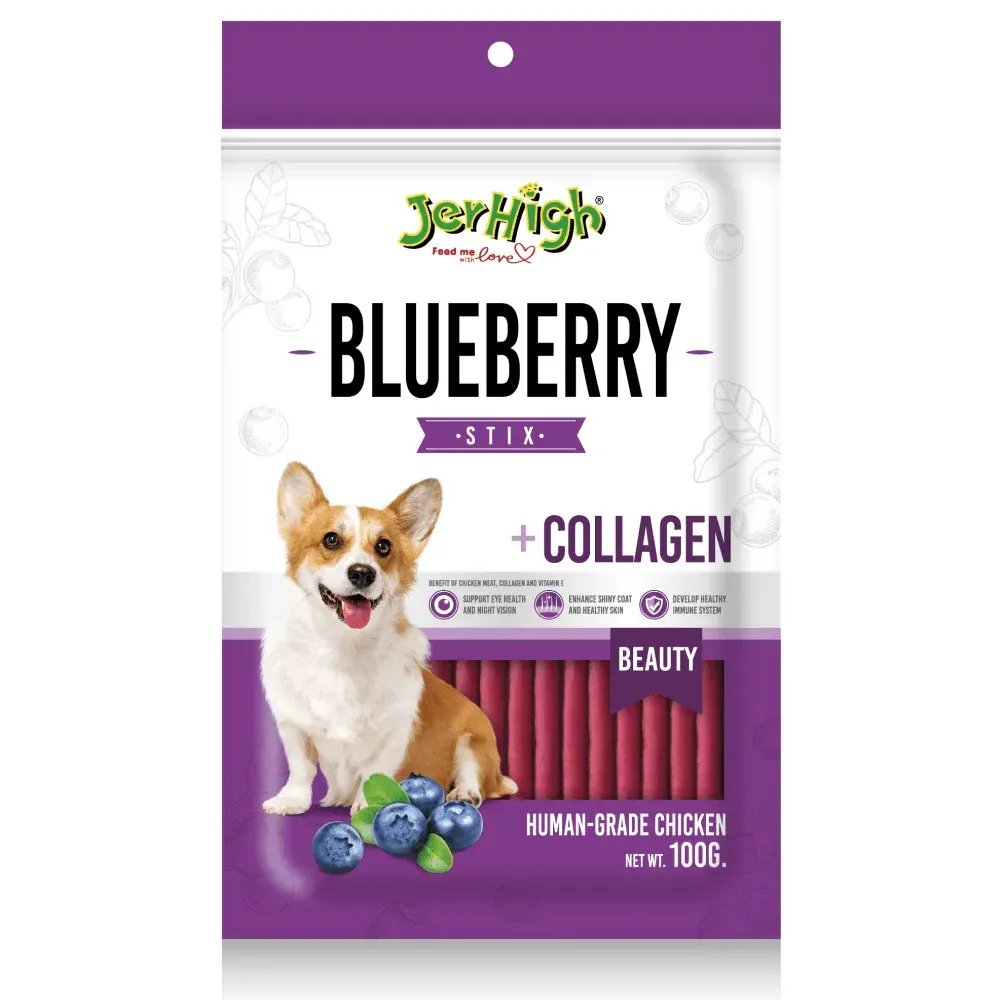
Jerhigh Blueberry Stix Dog Treats (100g)
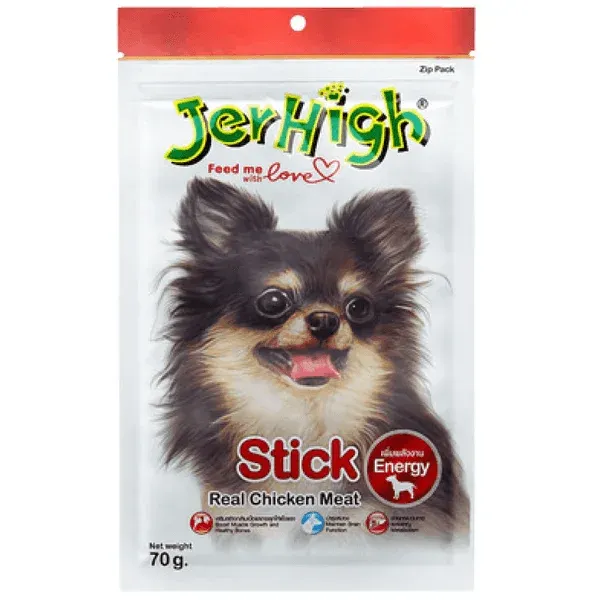
Jerhigh Stick Dog Treats (70g)
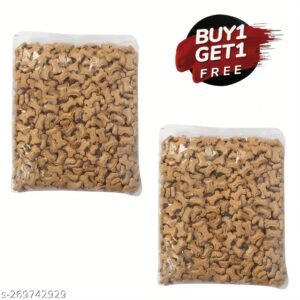
Dog Puppy Biscuits (1kg)
Goodies Energy Treats Mixed Flavour Stick Dog Treats (125g)
Dog Adult Biscuits (1kg)
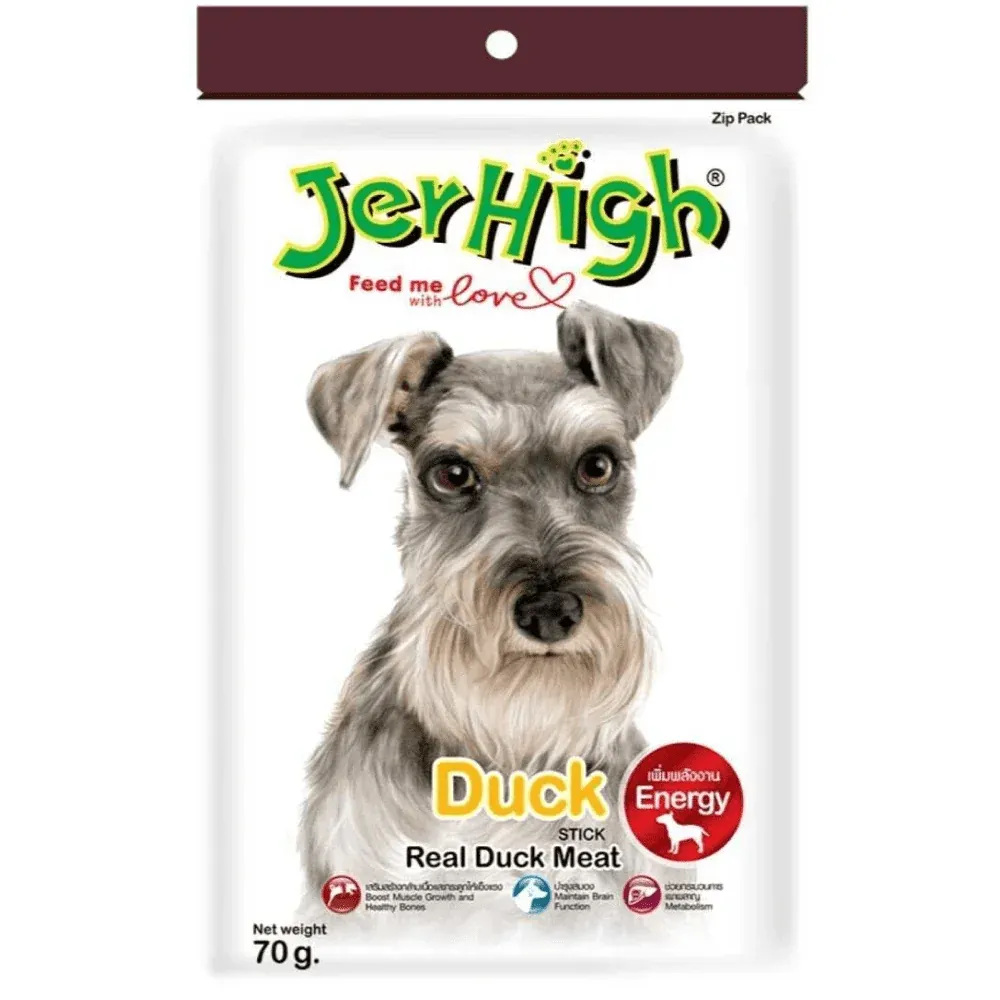
Jerhigh Duck Dog Treat (70g)
Drools Sweet Potato Twined Treats for Dogs (70g)
Drools Chicken & Carrot Creamy Dog Treats (75g)
Gnawlers Hearty Roll Chicken Flavoured Dog Treats (5 inch)
First Bark Soft Chicken Breast Dog Treat (70g)
Jerhigh Spinach Dog Treats (400g)
You May Also Like
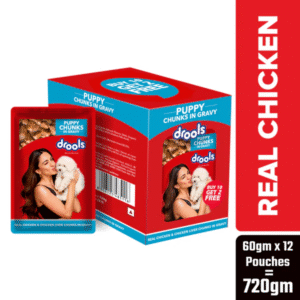
Drools Real Chicken & Chicken Liver Chunks in Gravy Puppy Dog Wet Food (60g)
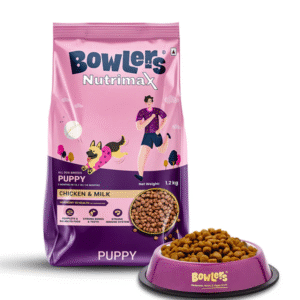
Bowlers Nutrimax Puppy Dry Dog Food Chicken & Milk
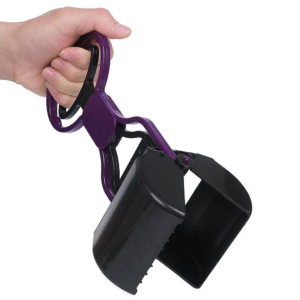
Dog Poop Scooper, Pet Waste Potty Picker, Small Size (Color May Vary)
Bellotta Tuna & Chicken in Gravy Cat Wet Food (85g)
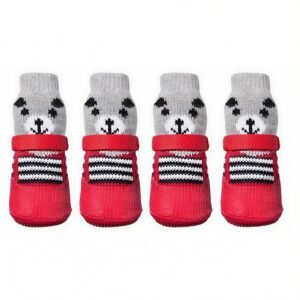
Nunbell Waterproof Anti-Slip Rubber Shoes Socks With Adjustable Drawstring
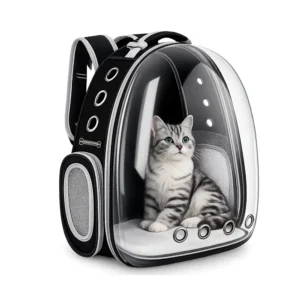
Astronaut Pet Carrier Backpack for Cats & Small Dogs
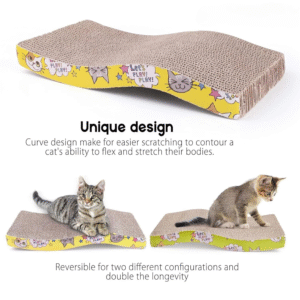
Cat Scratcher Cardboard Reversible Scratching Pad Recyclable Corrugated Scratch Toy With Wave Shape Cat Scratch Lounge For Furniture
Oft Warm Fleece Small Dog & Cat Shirt, Cute Stripe Pattern Stretchable Winter Cosy Vest Tshirt For Shihtzu, Papillon, Pekingese Bichon Etc (Size: L, Chest: 45Cm, Length: 35Cm)
Dog Training Treats – Reward Good Behaviour, Build Trust, and Make Every Training Moment Count
Every wagging tail, every successful command, and every little achievement deserves a reward. Whether you’re teaching your puppy to sit, helping your dog master recall, or reinforcing positive behaviour during daily walks, the right reward can make all the difference. Our dog training treats are designed to make training sessions more enjoyable, rewarding, and motivating for you and your furry companion.
Dogs learn through positive experiences, and a delicious treat can help create a powerful connection between good behaviour and a happy reward. With tasty, convenient rewards at your fingertips, you can turn everyday learning into an exciting bonding experience.
Whether you’re a first-time puppy parent or an experienced dog owner, discover how the right training rewards can help you encourage better habits, celebrate progress, and build a stronger relationship with your four-legged best friend.
Why Choose Our Dog Training Treats?
Training your dog is about much more than teaching commands. It’s about patience, trust, communication, and celebrating every step forward. Choosing suitable dog training treats can make the learning process more engaging while helping your dog stay focused and motivated.
Our training treats are designed with rewarding moments in mind, making them a practical choice for everyday obedience practice, puppy training, and positive reinforcement.
Here’s why dog owners love using training treats:
- Reward positive behaviour: Encourage desirable actions such as sitting, staying, coming when called, and walking calmly on a leash.
- Make training more enjoyable: Turn practice sessions into exciting opportunities for your dog to learn and interact with you.
- Support consistent learning: Deliver a timely reward when your dog responds correctly to help reinforce the behaviour you’re teaching.
- Enjoy convenient rewards: Keep suitable treats nearby during short training sessions at home, in the garden, or on walks.
- Strengthen your bond: Create positive shared experiences that build trust and make training feel less like a chore.
- Celebrate small victories: Recognise every improvement, from learning a first command to mastering a more challenging skill.
The best training experiences are built on consistency and encouragement. With the right dog training treats, you can celebrate progress one rewarding moment at a time.
Make Every Training Session More Rewarding
Imagine calling your dog across the garden and watching them come running straight to you. Picture your puppy finally mastering the sit command or walking beside you without constantly pulling on the leash.
These little victories are what make being a dog parent so special.
Positive reinforcement helps you reward behaviours you want your dog to repeat. When your dog performs the desired action, offering a suitable treat promptly can help them associate that behaviour with a positive outcome.
That’s where dog training treats become an essential part of your everyday routine.
Instead of relying on repeated commands or frustration, you can encourage your dog with patience, praise, and delicious rewards. Over time, consistent practice can help your companion develop useful habits while making learning a more positive experience.
Every dog learns at their own pace. Some pick up new commands quickly, while others need extra time and repetition. By keeping sessions short, rewarding progress, and remaining patient, you can make training more productive and enjoyable.
Small rewards. Meaningful progress. A stronger bond that lasts a lifetime.
Perfect for Puppies and Adult Dogs
Every stage of your dog’s life brings new learning opportunities. From the excitement of bringing home a puppy to teaching an adult dog a new skill, dog training treats can help make positive reinforcement part of your daily routine.
Puppy Training Treats for a Confident Start
Puppies are curious, energetic, and eager to explore the world around them. Early training can help introduce essential behaviours, household routines, and positive social experiences.
Using appropriately sized puppy training treats can help you reward simple commands and encourage desirable habits without interrupting the flow of a session.
Use treats to reward your puppy when they:
- Respond to their name.
- Learn to sit or settle calmly.
- Come when called.
- Follow simple instructions.
- Become comfortable with a leash or harness.
- Display calm behaviour during everyday routines.
For young puppies, choose treats that are suitable for their age, size, and chewing ability. Keep portions small, supervise treat time, and account for rewards within their daily food allowance.
With patience, consistency, and positive encouragement, those early training moments can become the foundation for a happier life together.
Dog Training Treats for Adult Dogs
Who says old dogs can’t learn new tricks? Adult dogs can continue learning throughout their lives, whether they’re developing better leash manners, practising recall, or improving their response to everyday commands.
Tasty dog training rewards can help maintain motivation during practice sessions and encourage desirable behaviours in familiar and new environments.
Use them when practising obedience, reinforcing calm greetings, improving focus around distractions, or introducing new routines. Adjust the reward to your dog’s preferences and the difficulty of the task.
The goal is simple: make good choices worth repeating.
Ideal for Positive Reinforcement Training
Positive reinforcement focuses on rewarding desirable behaviour rather than relying on punishment or intimidation. When your dog performs an action you want to encourage, you offer a reward that helps make that action worthwhile.
Dog training treats can be particularly useful because food is a motivating reward for many dogs. However, every dog is different, so pay attention to what your companion enjoys most.
Here are some practical ways to incorporate treats into training.
1. Teach Essential Commands
Commands such as sit, stay, down, and come can make everyday interactions easier. Start in a quiet environment with minimal distractions. Give the cue, reward the desired response promptly, and repeat in short sessions.
As your dog becomes more confident, gradually practise in different locations.
2. Encourage Better Leash Manners
Walks should be enjoyable for both you and your dog. Reward your dog when they walk beside you, check in with you, or respond calmly to changes in direction.
Consistent rewards can help reinforce the walking behaviour you want to see more often.
3. Build Reliable Recall
Coming when called is an important skill for safety and everyday management. Begin practising in a secure, low-distraction area. Use an enthusiastic voice, reward your dog when they return, and gradually introduce more challenging environments.
Avoid calling your dog only when something unpleasant is about to happen. You want returning to you to remain a positive experience.
4. Reward Calm Behaviour
Dogs encounter many exciting situations, from visitors arriving at the door to other dogs passing during a walk. Rewarding moments of calm attention can help reinforce the behaviour you want.
Start with manageable situations and reward your dog when they remain relaxed or respond to your cue.
5. Make Learning Fun
Training doesn’t have to feel like formal homework. Incorporate short practice sessions into your daily routine, reward successful responses, and finish on a positive note.
A few focused minutes can be more useful than a long session that leaves your dog tired or distracted.
What Makes a Good Dog Training Treat?
Not all treats are equally suitable for training. The ideal choice depends on your dog’s preferences, dietary requirements, age, and the type of activity you’re practising.
When choosing dog training treats, consider the following factors.
Small, Convenient Portions
Training often involves rewarding several successful responses in a short period. Small treats can make it easier to deliver frequent rewards without providing excessive amounts of food.
For repetitive exercises, choose portions that your dog can eat comfortably and quickly so you can continue practising without unnecessary interruptions.
Appealing Taste and Aroma
A reward needs to be worth working for. Many dogs respond enthusiastically to treats with appealing flavours and aromas, although individual preferences vary.
Experiment with suitable options to discover what motivates your dog most, particularly when practising in environments with distractions.
Texture That Suits Your Dog
Your dog’s age, size, dental health, and chewing ability all matter when selecting treats. Some dogs prefer soft, easy-to-chew rewards, while others enjoy a firmer texture.
Choose an appropriate texture and supervise your dog whenever treats are given.
Ingredients You Can Evaluate
Always check the ingredient list, nutritional information, feeding guidance, and any relevant allergen statements before choosing a treat.
If your dog has food sensitivities, allergies, or a prescribed diet, consult your veterinarian about suitable options. Never assume that a treat is appropriate for every dog simply because it is marketed for training.
Easy to Use During Everyday Activities
Convenience matters when you’re training regularly. Treats that are easy to portion and carry can help you reward good behaviour consistently at home, during walks, or while practising new skills.
Choose packaging and storage instructions that help maintain freshness and product quality.
How to Use Dog Training Treats Effectively
Getting the most out of your training rewards doesn’t require complicated techniques. A few simple habits can help make your sessions more focused and productive.
Reward promptly. Offer the treat as soon as your dog performs the desired action so the connection between the behaviour and reward is clearer.
Keep sessions short. Practise for a few minutes at a time, adjusting the duration to your dog’s age, attention span, and energy level.
Start with fewer distractions. Teach new skills in a quiet setting before practising around other people, animals, or exciting environments.
Be consistent. Use clear cues and reward the behaviours you want to encourage. Everyone involved in training should aim to follow similar rules.
Gradually vary rewards. As your dog becomes more reliable, you can introduce praise, play, and occasional food rewards. Continue rewarding challenging behaviours and new learning appropriately.
Watch portion sizes. Treats contribute to your dog’s daily calorie intake. Keep rewards small and account for them within a balanced feeding plan.
Stay patient. Progress is rarely perfectly linear. If your dog struggles, simplify the task, reduce distractions, and celebrate smaller successes.
Remember, treats are a training aid rather than a replacement for patience, exercise, socialisation, and appropriate veterinary care.
Keep Your Dog Motivated Without Overfeeding
One common concern among dog owners is how to reward their pets frequently without giving them too much food.
The answer begins with portion awareness.
Choose suitably small rewards, particularly when teaching repetitive commands. Follow the product’s feeding guidance, monitor your dog’s weight and body condition, and account for treats as part of their overall daily calorie intake.
As a general guideline, treats and other extras should make up no more than about 10% of a dog’s daily calories, unless your veterinarian advises otherwise. Your dog’s individual needs may differ based on age, activity level, health, and diet.
You can also combine food rewards with verbal praise, affection, toys, or a favourite game. This allows you to create a varied reward system that keeps training interesting.
If your dog has a medical condition or requires a special diet, seek veterinary advice before introducing new treats.
Turn Everyday Moments Into Learning Opportunities
You don’t need a professional training facility to start teaching useful skills. Many rewarding learning opportunities happen during ordinary daily activities.
Use a few dog training treats to encourage your dog to settle while you prepare their meal, respond when called in the garden, or wait calmly before going through a doorway.
During walks, reward attention and desirable leash behaviour. At home, practise familiar commands between play sessions. When guests visit, reinforce calm greetings and appropriate behaviour.
These short interactions help make training a natural part of life rather than something reserved for a specific time of day.
The more consistently you recognise positive behaviour, the more opportunities you create to guide your dog’s learning.
Find the Right Rewards for Your Best Friend
Every dog has a unique personality. Some are highly food-motivated, while others respond just as enthusiastically to praise, toys, or playtime.
Finding the right dog training treats starts with understanding your companion.
Consider your dog’s size, age, preferences, activity level, and dietary needs. If you’re training in a challenging environment, you may want to reserve a particularly appealing, suitable reward for those sessions. For familiar exercises at home, smaller everyday rewards may be sufficient.
Introduce new treats gradually, monitor your dog’s response, and discontinue any product that causes an adverse reaction.
Most importantly, remember that successful training isn’t measured only by how quickly your dog learns a command. It’s also about developing communication, building confidence, and enjoying the time you spend together.
Frequently Asked Questions About Dog Training Treats
What are dog training treats used for?
Dog training treats are small food rewards used to encourage and reinforce desirable behaviour. They’re commonly used when teaching commands, practising recall, improving leash manners, and helping dogs learn new routines through positive reinforcement.
How often should I give my dog training treats?
The frequency depends on your training goals and your dog’s dietary needs. During early learning, frequent small rewards may be helpful. As behaviours become more reliable, you can gradually vary the rewards. Always account for treats within your dog’s daily food allowance.
Are dog training treats suitable for puppies?
Many training treats are suitable for puppies, but you should select products specifically appropriate for their age, size, chewing ability, and dietary needs. Use small portions, supervise your puppy, and consult your veterinarian if you’re unsure which treats are appropriate.
Can I use dog treats for obedience training?
Yes. Suitable dog treats can be useful for teaching sit, stay, down, come, and other obedience skills. Reward the desired response promptly and practise consistently in environments with gradually increasing distractions.
How many dog training treats can I give my dog per day?
There is no single number that suits every dog. The appropriate quantity depends on the treat’s calorie content and your dog’s size, health, activity level, and normal diet. As a general guideline, treats should account for no more than about 10% of daily calories unless your veterinarian recommends otherwise.
What should I look for when buying dog training treats?
Consider portion size, ingredients, nutritional information, texture, palatability, and suitability for your dog’s age and dietary requirements. If your dog has allergies or food sensitivities, review the ingredients carefully and seek veterinary advice when needed.
Can dog training treats help with recall?
They can be a useful reward when teaching your dog to return when called. Start in a secure environment, reward successful responses promptly, and gradually practise with more distractions. Never rely on treats alone as a substitute for safe training practices.
Make Every Good Choice Worth Celebrating
Your dog doesn’t need to be perfect to deserve a little celebration. Every successful command, every moment of patience, and every new skill is an opportunity to strengthen the connection you share.
With the right dog training treats, you can make positive reinforcement a rewarding part of everyday life. Encourage better habits, keep your dog engaged, and turn ordinary practice into meaningful moments of progress.
Whether you’re starting with a playful puppy or helping an adult dog learn something new, the journey begins with patience, consistency, and rewards that suit your companion.
Make training more rewarding. Celebrate every little victory. Choose dog training treats that help you make the most of every moment with your best friend.
Explore our dog training treats today and discover a rewarding way to support your dog’s learning journey.
Shop now and make your next training session a moment worth wagging about!