Dog Wet Food
Search
Price
SmartHeart Roasted Duck In Gravy Adult Dog Wet Food (80g)
Drools Real Chicken & Chicken Liver Chunks in Gravy Puppy Dog Wet Food (60g)
Pedigree Chicken & Liver Chunks in Gravy Puppy Wet Dog Food (70g)
Pedigree Chicken and Liver Chunks in Gravy Adult Dog Wet Food (70g)
Smartheart Chicken With Vegetables Adult Canned Wet Dog Food (400g)
Pedigree Chicken and Liver Chunks in Gravy Pouch Puppy Dog Wet Food (130g)
- 1
- 2
You May Also Like
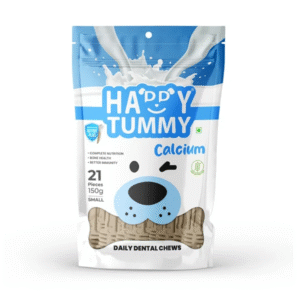
Happy Tummy Calcium Dental Bone Treat for Adult Dogs and Puppies (150g)
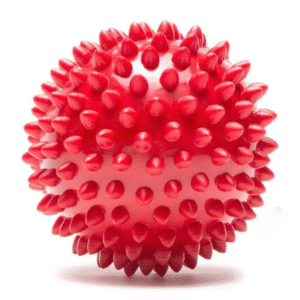
Natural Rubber Spiked Ball Dog Chew Toy, Puppy Teething Toy (3 Inches)
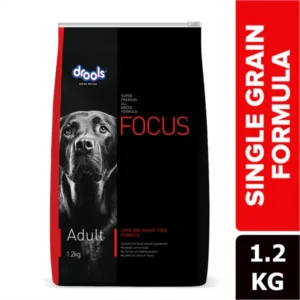
Drools Focus Adult Dry Dog Food | Super Premium All Breed Formula | Corn, Wheat & Soya Free Formula
11-Inch Bird Cage with Hammock for Parakeets, Budgies & Cockatiels
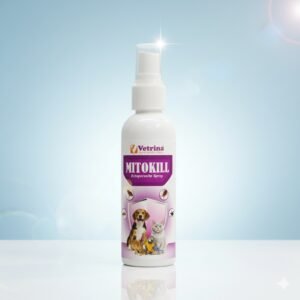
Vetrina Mitokill Mite Spray For Pets (100ml)
First Bark Soft Chicken Breast Dog Treat (70g)
Grooming Foot/Paw Washing Cup, Pet Paw Cleaner, Portable Dog & cats Washer with Feet Soft Silicone Bristles Small Medium Large Dogs & Cats
First Bark Soft Chicken Tenders Dog Treats (70g)
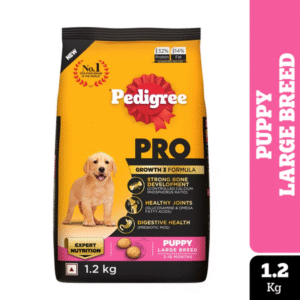
Pedigree PRO Expert Nutrition Large Breed Puppy Dog Dry Food (3-18 Months)
Dog Wet Food – Delicious Nutrition for a Happier, Healthier Dog
Give your furry companion the delicious taste and nourishing goodness they deserve with our premium Dog Wet Food. Carefully chosen meals can make mealtime more exciting while helping support your dog’s everyday nutritional needs. Whether you have a playful puppy, an energetic adult dog, or a senior companion who prefers softer food, the right wet dog food can make every meal a delightful experience.
Dogs bring unconditional love, endless joy, and countless precious moments into our lives. They deserve food that makes them wag their tails with excitement. With its appealing aroma, soft texture, and delicious taste, dog wet food offers a satisfying way to make mealtimes more enjoyable while providing essential nourishment as part of a balanced diet.
Discover a tasty and convenient feeding option that fits your dog’s preferences and your daily routine. From everyday meals to a tempting topper for dry kibble, dog wet food can turn an ordinary feeding time into a moment your best friend looks forward to.
Why Choose Dog Wet Food?
Choosing the right food is an important part of caring for your dog. Good nutrition helps support their daily activities, while a satisfying meal can make feeding time easier and more enjoyable. Dog Wet Food is a popular choice among pet parents because of its soft consistency, appealing flavour, and versatility.
Here are some reasons to consider adding wet dog food to your pet’s feeding routine.
1. Delicious Taste Dogs Love
Some dogs can be fussy eaters, making mealtime a daily challenge. Wet dog food offers an appealing aroma and moist texture that may encourage dogs to show greater interest in their meals. Its rich, savoury character can make feeding time feel more exciting, especially for dogs that prefer softer food.
If your dog tends to turn away from the food bowl, introducing a suitable wet food may help make mealtimes more tempting. Every dog has individual tastes, so choosing a flavour your companion enjoys is key.
2. Soft and Easy-to-Eat Texture
The soft consistency of wet dog food can be a welcome option for puppies transitioning to solid food, adult dogs that prefer moist meals, and older dogs that find hard kibble less comfortable to chew.
For senior dogs or pets with dental concerns, softer food may make eating more comfortable. However, dogs with chewing difficulties, dental pain, or swallowing problems should be assessed by a veterinarian to ensure their food is appropriate for their needs.
3. Helps Support Daily Hydration
Dog wet food generally contains more moisture than dry dog food. This additional moisture can contribute to your pet’s overall daily water intake and may be especially useful for dogs that do not drink much water on their own.
Although wet food provides moisture, fresh, clean drinking water should always be available. Your dog’s hydration needs will depend on factors such as activity level, age, environment, and health.
4. Convenient and Versatile Feeding
Busy pet parents need feeding solutions that fit easily into everyday life. Wet dog food can be served as a complete meal when the product is labelled as complete and balanced for your dog’s life stage. It can also be used as a meal topper or mixed with dry kibble when appropriate.
This flexibility allows you to create a feeding routine that suits your dog’s preferences without making mealtime unnecessarily complicated.
5. Supports an Enjoyable Feeding Routine
Mealtimes are an important part of your dog’s daily routine. Offering suitable, tasty food at consistent times can help establish predictable feeding habits. By choosing a food that matches your dog’s nutritional requirements and preferences, you can make each meal a more rewarding experience.
The Benefits of Feeding Your Dog Wet Food
Every dog deserves a nourishing diet that supports their individual needs. When selected appropriately, quality wet dog food can offer several practical benefits for both pets and their owners.
Moisture-Rich Nutrition
One of the most noticeable differences between wet and dry dog food is moisture content. Wet food typically contains significantly more water, making it a useful option for adding moisture to your dog’s diet.
This can be particularly helpful in warm weather or for dogs that prefer getting some of their daily fluid intake through food. However, wet food should complement—not replace—access to fresh drinking water.
Appealing Aroma and Flavour
A meal that smells and tastes appealing can encourage a dog to approach the food bowl with greater enthusiasm. Wet dog food often has a stronger aroma than dry kibble, which may appeal to dogs with different eating preferences.
For pet parents dealing with a picky eater, the right flavour and texture can make a meaningful difference. If your dog suddenly loses interest in food, however, consult a veterinarian rather than assuming the problem is simply fussiness.
Suitable Options for Different Life Stages
Dogs have different nutritional requirements as they grow and age. Puppies need food formulated for growth, while adult dogs generally need nutrition designed to maintain their health. Senior dogs may benefit from diets tailored to their changing needs.
When shopping for dog wet food, check the product label to ensure it is appropriate for your pet’s age, size, and nutritional requirements. A product suitable for adult dogs may not provide everything a growing puppy needs.
Easy to Serve and Portion
Wet dog food is simple to serve, making it a convenient choice for daily feeding. Pre-portioned packs and cans can also help you manage serving sizes, depending on the product format.
Always follow the manufacturer’s feeding guidelines and adjust portions according to your dog’s body condition, activity level, and other food intake. For dogs with specific health concerns, your veterinarian can recommend an appropriate feeding plan.
How to Choose the Best Dog Wet Food
With so many varieties available, finding the right dog wet food can feel overwhelming. The best option is not necessarily the most expensive one or the product with the most attractive packaging. Instead, focus on your dog’s nutritional needs, ingredient information, and individual preferences.
Check the Nutritional Information
Look for a food labelled as complete and balanced for the appropriate life stage. This indicates that the product is intended to provide the nutrients required when fed according to its directions.
If the product is labelled for complementary feeding or supplemental feeding only, it should not be treated as your dog’s sole source of nutrition unless a veterinarian advises otherwise.
Consider Your Dog’s Age
Puppies, adult dogs, and senior dogs can have different dietary requirements.
- Puppies: Choose food specifically formulated to support healthy growth and development.
- Adult dogs: Look for a balanced formula designed to maintain everyday nutritional needs.
- Senior dogs: Consider your dog’s appetite, chewing ability, activity level, and any veterinary recommendations.
Breed, size, body condition, and medical history may also influence which food is most suitable.
Review the Ingredients
Read the ingredient list and nutritional analysis to understand what the food contains. Consider your dog’s tolerance for particular ingredients and any known food allergies or sensitivities.
If your dog has a diagnosed allergy, digestive disorder, kidney condition, or another medical concern, consult your veterinarian before changing their diet. Marketing terms such as “natural,” “premium,” or “grain-free” do not automatically mean that a food is healthier or more suitable.
Choose a Texture and Flavour Your Dog Enjoys
Dogs can have different food preferences. Some enjoy smooth pâté, while others prefer chunky recipes or food served with gravy. Selecting a suitable texture and flavour can help make mealtime more appealing.
If you are introducing a new recipe, start gradually and monitor your dog’s appetite and digestion.
Compare Feeding Guidelines
Wet and dry dog foods differ in moisture content and calorie density. A serving of wet food may contain fewer calories by weight than the same quantity of dry kibble, but this varies by product.
Use the feeding chart on the packaging as a starting point, check the calorie information, and account for treats and other meals. Avoid comparing portions by weight alone.
Dog Wet Food vs. Dry Dog Food: Which Is Better?
Both wet and dry dog food can be suitable choices when they provide complete and balanced nutrition. The right option depends on your dog’s needs, your budget, and your preferred feeding routine.
Wet dog food typically offers higher moisture content and a softer texture. These qualities may suit dogs that prefer moist meals or need additional dietary moisture.
Dry dog food is often convenient to store, easy to measure, and practical for pet parents who prefer feeding kibble. Some dental diets are specifically designed to help reduce plaque, although ordinary dry kibble should not automatically be considered a substitute for dental care.
You do not necessarily have to choose only one. Mixed feeding can combine the convenience of dry kibble with the taste and moisture of wet food. The key is to maintain balanced nutrition and avoid overfeeding by accounting for the calories from both foods.
When combining products, choose suitable formulas and adjust the total portions according to your dog’s daily energy requirements.
How to Introduce Dog Wet Food to Your Pet
Changing your dog’s diet too quickly can sometimes cause digestive upset. A gradual transition is generally a better approach when introducing a new food.
Follow these simple steps:
- Start small: Introduce a modest amount of the new wet food alongside your dog’s familiar food.
- Increase gradually: Over several days, increase the new food while reducing the old food, provided your dog tolerates the transition.
- Observe your dog: Monitor appetite, stool consistency, energy, and any signs of digestive discomfort.
- Measure portions: Account for the calories in both foods to help prevent overfeeding.
- Maintain freshness: Serve appropriate portions and refrigerate or discard leftovers according to the product’s storage instructions.
Some dogs may need a slower transition, particularly if they have sensitive digestion. If persistent vomiting, diarrhoea, or other concerning symptoms occur, seek veterinary advice.
Feeding Tips for a Happy, Healthy Dog
Good feeding habits are just as important as selecting the right food. A few simple practices can help make your dog’s mealtime routine safer, more consistent, and more enjoyable.
- Follow the feeding guide: Use the product’s recommended portions as a starting point and adjust according to your dog’s needs.
- Maintain a regular schedule: Consistent feeding times can make daily routines easier to manage.
- Provide fresh water: Keep clean drinking water available throughout the day.
- Store food properly: Follow the label’s instructions for unopened and opened packaging.
- Monitor body condition: Regularly check your dog’s weight and body shape, and consult your veterinarian if you notice unexplained changes.
- Choose appropriate food: Select a formula that matches your dog’s life stage and any special dietary requirements.
Remember that treats, table scraps, and additional toppers can contribute to your dog’s overall calorie intake. A balanced feeding plan helps you provide satisfying meals without unintentionally exceeding their daily energy needs.
Frequently Asked Questions About Dog Wet Food
Is Dog Wet Food good for dogs?
Dog wet food can be a suitable everyday feeding option when it is complete and balanced for your dog’s life stage and nutritional requirements. Its higher moisture content and soft texture may make it appealing to many dogs. Always check the product label and consult your veterinarian if your pet has special dietary needs.
Can I feed wet dog food every day?
Yes, a wet dog food labelled as complete and balanced for your dog’s life stage can generally be fed every day according to its feeding instructions. Products intended only for supplemental or complementary feeding may need to be combined with a suitable complete diet.
Is wet dog food suitable for puppies?
Some wet dog foods are specifically formulated for puppies and can support their nutritional needs during growth. Always select a formula labelled for puppies or the appropriate growth stage. Adult maintenance food may not provide the nutrients required by growing dogs.
Can I mix wet dog food with dry kibble?
Yes, wet and dry dog food can often be combined. Mixing them can add moisture and variety to mealtime. Ensure both foods are appropriate for your dog, account for the calories in each product, and adjust portions to avoid overfeeding.
Does wet dog food help with hydration?
Wet dog food generally contains more moisture than dry food and can contribute to your dog’s daily water intake. Nevertheless, it is not a replacement for fresh drinking water. Dogs should always have access to clean water.
How much wet dog food should I feed my dog?
The correct amount depends on your dog’s weight, age, activity level, body condition, and the calorie content of the food. Start with the manufacturer’s feeding guide and adjust as needed. Your veterinarian can help determine suitable portions for dogs with particular nutritional or health requirements.
How should I store opened wet dog food?
Follow the storage instructions printed on the packaging. In general, opened wet dog food should be covered or transferred to a suitable airtight container and refrigerated promptly. Use it within the manufacturer’s recommended period, and discard food that has spoiled or been left out beyond the recommended time.
Make Every Mealtime Special with Dog Wet Food
Your dog is more than a pet—they are a beloved member of your family. From enthusiastic tail wags to the comforting companionship they offer every day, they bring something truly special into your life. Choosing suitable, enjoyable food is one way to show them the care and attention they deserve.
Our Dog Wet Food range is designed to make mealtime more appealing with a soft texture, delicious taste, and convenient serving options. Whether you are exploring wet food for the first time, looking to add variety to your dog’s existing diet, or searching for a convenient alternative to dry kibble, finding the right formula can help you build a feeding routine that works for both of you.
Explore our dog wet food selection, compare the available flavours and formulations, and choose an option that matches your dog’s age, preferences, and nutritional needs.
Give your furry friend a meal worth wagging their tail for. Discover Dog Wet Food today and make every bowl a little more special!