

Aquarium Filter
Search
Price
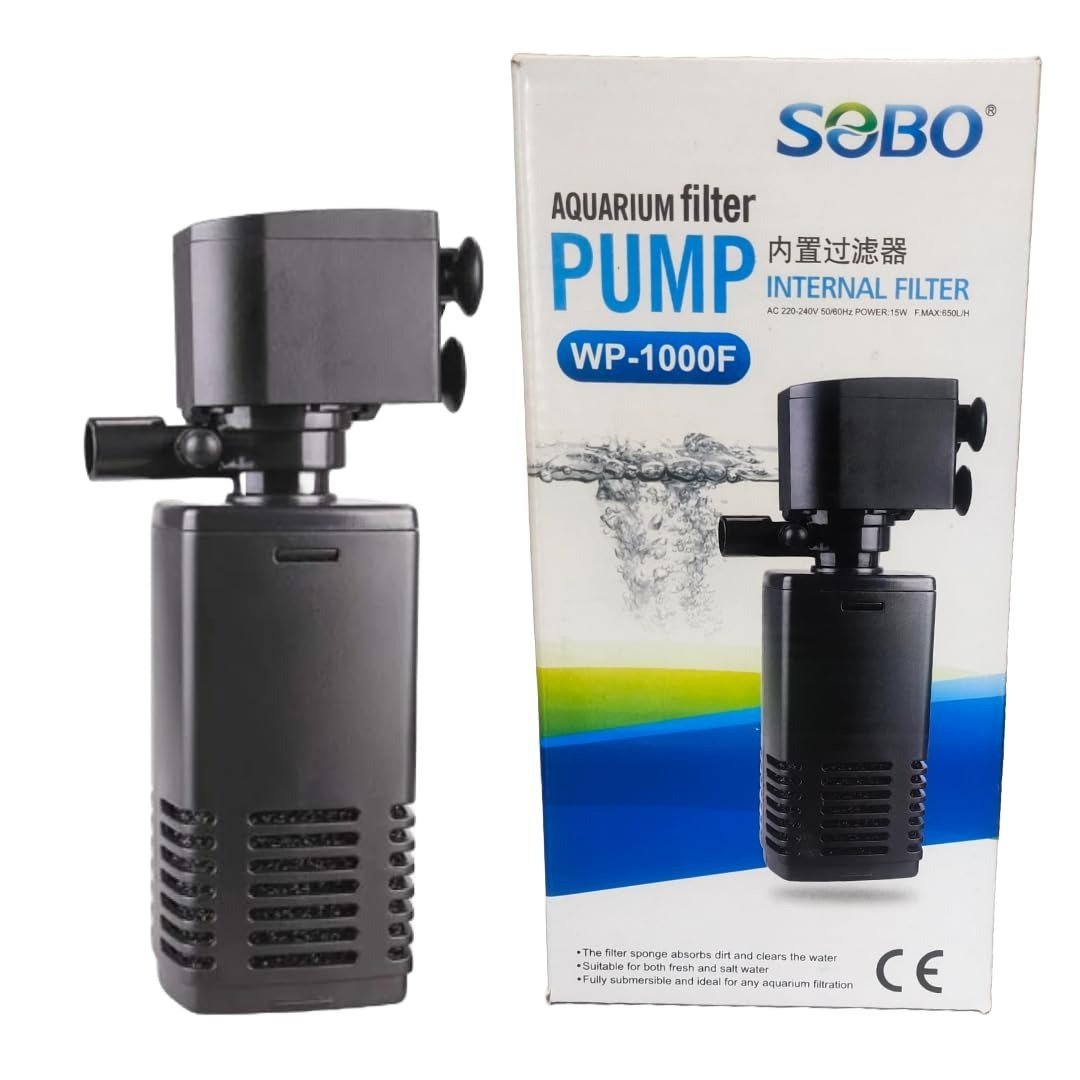
SOBO 4-in-1 Aquarium Internal Filter WP-1000F | 15W 650L/H Biological, Mechanical, & Chemical Filtration for Freshwater & Saltwater Fish Tanks (1.5-2.5 Ft Tanks) | Quiet, Energy-Efficient
You May Also Like

Temptations Creamy Purrrr-ee Chicken & Tuna Cat Treats (48g)

NunBell Cat Tease Stick For Playing


Drools Chicken & Pumpkin Creamy Dog Treats (75g)

2 Pcs Aquarium Floating Cartoon Diver Cute Resin Aquarium Decorative Items Fish Aquarium Accessories All, 7 * 3Cm, Floating On Water Aquarium Decorative Item Ornament For Fish Aquarium

Astronaut Pet Carrier Backpack for Cats & Small Dogs
Natural Rubber Spiked Ball Dog Chew Toy, Puppy Teething Toy (3 Inches)
BASIL Purrfect Tuna and Cranberry Dental Stick Cat Treat (44g)

Jerhigh Strawberry Stix Dog Treats (100g)

Smarty Pet Oh My Dog Urban Pet DryBath Shampoo (200ml)
Aquarium Filter – Keep Your Aquarium Crystal Clear, Fresh, and Healthy
Transform your aquarium into a stunning underwater paradise with a high-quality Aquarium Filter designed to keep your fish happy, your water clean, and your aquatic environment thriving. Whether you are a beginner setting up your first fish tank or an experienced aquarist maintaining a beautiful aquatic ecosystem, the right aquarium filtration system makes all the difference.
A clean aquarium is more than just visually appealing. It creates a healthier environment for fish, supports beneficial bacteria, and helps maintain balanced water conditions. With an efficient aquarium water filter, you can reduce unwanted debris, remove suspended particles, and manage harmful waste buildup while enjoying a crystal-clear view of your underwater world.
Discover a smarter, easier, and more reliable way to maintain your fish tank. Choose an aquarium filter that combines effective filtration, convenient maintenance, and dependable performance to help you create an aquarium you will love looking at every day.
Enjoy cleaner water, healthier fish, and a breathtaking aquarium with the right filtration solution.
Why an Aquarium Filter Is Essential for Every Fish Tank
Every beautiful aquarium needs proper filtration. Fish produce waste, uneaten food collects at the bottom, and organic debris gradually builds up in the water. Without an effective filtration system, these pollutants can affect water quality, create unpleasant conditions, and place unnecessary stress on your aquatic pets.
An aquarium filter helps manage these challenges by continuously circulating water through a filtration medium. Depending on the filter design and media used, it can trap visible particles, support beneficial bacteria, and help remove certain dissolved impurities.
Whether you maintain a small freshwater aquarium, a planted tank, a tropical fish setup, or a marine aquarium, choosing the appropriate fish tank filter is an important step toward maintaining a stable aquatic environment.
1. Enjoy Crystal-Clear Aquarium Water
Cloudy water can hide the beauty of your aquarium. An effective aquarium water filter helps capture suspended particles, leftover food, and other debris that can make your tank look dull.
By keeping water moving through suitable filter media, the system helps maintain a cleaner appearance and allows you to enjoy clearer views of your fish, plants, rocks, and decorative elements.
Make every glance at your aquarium a refreshing experience with filtration that supports a cleaner, more attractive tank.
2. Support a Healthier Environment for Fish
Healthy fish need more than clean-looking water. They depend on stable water conditions, appropriate oxygen levels, and the management of waste produced inside the aquarium.
Biological filtration encourages beneficial bacteria to colonize suitable filter media. These bacteria help convert toxic ammonia into nitrite and then into less toxic nitrate through the nitrogen cycle. Regular water testing and partial water changes remain essential for maintaining safe conditions.
A properly sized aquarium filter supports this natural process and helps create a more stable environment for your fish.
3. Reduce Unwanted Debris and Waste
Uneaten fish food, plant fragments, and suspended particles can quickly accumulate in an aquarium. Mechanical filtration helps trap these materials before they continue circulating throughout the tank.
With an appropriate fish tank filtration system, routine aquarium maintenance becomes easier and your underwater display can stay looking its best.
For the best results, remove excess food, avoid overfeeding, and clean filter components according to the manufacturer’s instructions.
4. Make Aquarium Maintenance Easier
Maintaining an aquarium should be enjoyable, not exhausting. A suitable aquarium filter helps reduce the amount of floating debris and supports the biological processes that keep water conditions stable.
Instead of constantly struggling with cloudy water, you can spend more time observing your fish, caring for aquatic plants, and improving your aquarium’s appearance.
Pair your filtration system with regular water changes, appropriate feeding, and routine filter maintenance for a practical, long-term aquarium care routine.
Discover the Power of Effective Aquarium Filtration
Not all aquarium filters perform the same function. Understanding the different types of filtration can help you select the ideal aquarium filter for your tank size, fish species, and maintenance preferences.
Mechanical Filtration
Mechanical filtration removes physical particles from aquarium water. Sponges, filter floss, and suitable filter pads capture debris such as uneaten food, waste particles, and suspended matter.
This type of filtration is especially useful when you want to maintain clear water and reduce visible debris.
Regularly rinse reusable mechanical media as directed, ideally using removed aquarium water when appropriate, to avoid damaging beneficial bacteria.
Biological Filtration
Biological filtration is essential for a healthy aquarium ecosystem. It provides a surface where beneficial bacteria can grow and help process fish waste through the nitrogen cycle.
Ceramic rings, porous biological media, and specialized bio-media can provide suitable surfaces for these bacteria.
An aquarium filter with adequate biological media can support a more stable aquarium environment, particularly in tanks with a higher biological load.
Chemical Filtration
Chemical filtration uses specific media to remove or reduce certain dissolved substances. Activated carbon, for example, can help remove some dissolved organic compounds, odors, and discoloration.
Other specialized media may be designed for particular water-quality concerns.
Chemical filtration is not always necessary for every aquarium. Select media according to your tank’s needs, follow the product instructions, and replace it at the recommended intervals.
For a well-maintained aquarium, mechanical, biological, and chemical filtration can work together to deliver more comprehensive water care.
Explore Aquarium Filter Options for Different Needs
Finding the best aquarium filter begins with understanding your aquarium setup. From compact desktop tanks to larger community aquariums, different filtration systems offer different advantages.
Internal Aquarium Filter
An internal aquarium filter sits inside the fish tank and is often a convenient choice for smaller or medium-sized aquariums, depending on the model’s capacity.
These filters are generally easy to install and can be suitable for beginners who want a straightforward filtration solution without complicated plumbing.
Choose an internal filter with an appropriate flow rate for your aquarium and the needs of your fish.
Hang-On-Back Aquarium Filter
A hang-on-back filter attaches to the outside of an aquarium and draws water through filter media before returning it to the tank.
Its external placement can save space inside the aquarium while providing convenient access to filter cartridges or media compartments.
This type of aquarium filtration system is popular for many freshwater setups, although compatibility depends on tank design, water level, and manufacturer specifications.
Canister Aquarium Filter
A canister aquarium filter is commonly used for larger or more demanding aquariums. It houses filter media in an external canister and circulates water through the filtration chamber.
Many models offer multiple media compartments, allowing users to combine mechanical and biological filtration with optional chemical media.
A canister filter may be suitable for larger freshwater aquariums and some marine setups when properly specified. Consider installation space, maintenance requirements, flow rate, and compatibility before purchasing.
Sponge Aquarium Filter
A sponge filter uses an air pump or another compatible source of water movement to draw aquarium water through a sponge.
It offers mechanical filtration and a surface for beneficial bacteria, making it a popular choice for breeding tanks, shrimp aquariums, and tanks containing small or delicate fish.
Sponge filters are generally simple to maintain and can provide gentle water movement. Their suitability depends on aquarium size, stocking levels, and the filter’s capacity.
Aquarium Power Filter
A power filter uses a motor to circulate water through filter media. Depending on its design, it may offer a combination of mechanical and biological filtration, with chemical filtration available through suitable media.
A well-matched aquarium power filter can help maintain water clarity while delivering convenient everyday performance.
Always check the recommended aquarium volume and actual flow characteristics before choosing a model.
Key Features to Look for in an Aquarium Filter
Choosing the right fish tank filter is easier when you know which features matter most. The ideal system should suit your aquarium, support your maintenance routine, and provide effective filtration without creating unnecessary stress for your fish.
Efficient Water Circulation
Water circulation helps move aquarium water through the filter media, where particles can be captured and beneficial bacteria can process waste.
Look for an aquarium filter with a suitable flow rate for your tank volume and inhabitants. Fish that prefer gentle currents may require a different setup from species that tolerate stronger water movement.
Remember that a higher flow rate is not automatically better. The goal is effective filtration with appropriate circulation.
Reliable Filter Media
Filter media plays a central role in aquarium filtration. Mechanical media traps debris, biological media supports beneficial bacteria, and chemical media addresses certain dissolved substances.
A filter that accommodates suitable media can offer flexibility as your aquarium develops.
Check whether replacement media is readily available and whether the unit allows convenient cleaning without disturbing established biological filtration unnecessarily.
Quiet and Convenient Operation
Your aquarium should bring calm and enjoyment to your home or workspace. A properly installed, well-maintained aquarium filter can help maintain that peaceful atmosphere.
If noise is a concern, look for information about operating sound levels, motor design, vibration control, and maintenance requirements.
Correct installation, an appropriate water level, and routine cleaning can also help reduce unnecessary noise.
Easy Installation and Maintenance
A user-friendly aquarium filtration system can make everyday aquarium care more manageable.
Consider how easily you can access the filter media, remove trapped debris, clean the intake, and reassemble the unit. Clear installation instructions and readily available replacement components are valuable advantages.
Simple maintenance encourages consistency, helping you care for your aquarium with greater confidence.
Energy Efficiency
An aquarium filter often operates continuously, so power consumption can be an important purchasing consideration.
Check the unit’s wattage and operating recommendations before buying. An energy-efficient model that meets your aquarium’s filtration needs can help balance performance with running costs.
Do not compromise essential filtration simply to choose a lower-powered unit; select a model designed for your aquarium’s actual requirements.
How to Choose the Best Aquarium Filter for Your Tank
The best aquarium filter is not necessarily the largest or most expensive model. It is the one that provides suitable filtration for your tank’s size, stocking level, inhabitants, and setup.
Before purchasing, consider the following factors.
1. Aquarium Size and Water Capacity
Start by checking your aquarium’s actual water volume and the filter’s recommended tank capacity.
A filter that is too small may struggle to handle the waste produced by your fish. A suitable filter should provide sufficient filtration while allowing you to adjust water movement when necessary.
If you have a heavily stocked aquarium, you may need greater filtration capacity than you would for a lightly stocked tank of the same size.
2. Fish Species and Stocking Levels
Different fish have different needs. Some prefer gentle currents, while others thrive with stronger water movement.
Goldfish and other relatively high-waste fish may require substantial filtration capacity. Betta fish and certain delicate species may benefit from gentler flow or a filter outlet that can be adjusted or diffused.
Choose a fish tank filter according to the needs of your actual inhabitants, not just the aquarium’s dimensions.
3. Freshwater or Saltwater Setup
Freshwater and marine aquariums can have different filtration requirements.
A freshwater community tank may work well with an appropriately sized internal, hang-on-back, sponge, or canister filter. Marine aquariums may require additional attention to circulation, biological filtration, protein skimming, or other specialized equipment, depending on the system.
Always confirm that your chosen aquarium filter is suitable for your water type and intended setup.
4. Flow Rate and Filtration Capacity
Manufacturers commonly specify filter flow rates and recommended aquarium sizes. These specifications provide a useful starting point, but actual performance can vary with filter media, plumbing, debris buildup, and operating conditions.
Consider your fish’s current preferences, tank layout, and biological load before making a decision.
5. Budget and Long-Term Value
A good aquarium filter should offer dependable performance and manageable ongoing costs.
Consider the initial purchase price alongside electricity use, replacement media, spare parts, and maintenance needs.
Choosing a filter that suits your aquarium from the beginning can help you avoid unnecessary replacements and create a more convenient long-term maintenance routine.
How an Aquarium Filter Helps Maintain Water Quality
Aquarium water quality depends on a combination of filtration, biological activity, stocking levels, feeding habits, and regular maintenance.
An aquarium filter supports this balance by moving water through media designed to capture particles and provide surfaces for beneficial bacteria.
During biological filtration, bacteria help process ammonia from fish waste and decomposing organic matter. Ammonia is converted into nitrite, and another group of bacteria converts nitrite into nitrate. Ammonia and nitrite should generally remain undetectable in an established, healthy aquarium.
Nitrate can accumulate over time, which is why partial water changes, appropriate feeding, and good aquarium management remain important.
A filter cannot eliminate every pollutant or replace water changes. However, when selected and maintained correctly, it becomes an essential part of a comprehensive aquarium care routine.
For a healthier aquarium:
- Test your water regularly, particularly when setting up a new tank.
- Avoid overfeeding your fish.
- Remove uneaten food and decaying material.
- Maintain the filter according to its instructions.
- Preserve beneficial bacteria when cleaning filter media.
- Perform appropriate partial water changes.
- Monitor fish behavior and investigate unusual changes promptly.
These simple habits, combined with the right aquarium filter, can help you maintain a cleaner, more stable underwater environment.
Aquarium Filter Maintenance: Simple Steps for Better Performance
Even the best aquarium filtration system needs regular attention. Over time, filter media can collect debris, and clogged components can reduce water flow.
A consistent maintenance routine helps your aquarium filter operate effectively and supports a healthy biological environment.
Clean Mechanical Media When Needed
Inspect sponges, filter pads, and other mechanical components regularly. If debris buildup significantly restricts water flow, clean or replace the relevant media according to the manufacturer’s instructions.
When reusable biological media is involved, avoid cleaning everything aggressively at once. Preserving beneficial bacteria helps maintain the aquarium’s biological stability.
Inspect the Filter Intake and Outlet
Check for trapped plant leaves, debris, or obstructions that may affect circulation.
Make sure the intake remains clear and that water returns to the aquarium as intended. Follow the manufacturer’s safety instructions whenever inspecting or servicing electrical equipment.
Replace Filter Media at the Right Time
Different types of media have different service lives. Some mechanical media can be rinsed and reused, while certain disposable cartridges or chemical media require periodic replacement.
Follow the product’s maintenance guidance rather than replacing all media automatically at the same time.
Monitor Water Quality
Clear water does not always mean safe water. Use suitable aquarium test kits to monitor ammonia, nitrite, nitrate, and other parameters relevant to your setup.
If water quality changes unexpectedly, investigate feeding, stocking, filter performance, and other possible causes instead of relying on the filter alone.
Consistent care helps your aquarium filter deliver dependable performance while protecting the beneficial bacteria your aquarium needs.
Why Choose Our Aquarium Filter?
When you invest in aquarium equipment, you want a product that fits your needs and makes aquarium care easier.
Our aquarium filter range is designed to help fishkeepers find a practical filtration solution for their underwater environment. Whether you are building your first aquarium or improving an established setup, selecting the right filtration equipment can make daily maintenance more manageable.
Here is what to consider when choosing your ideal model:
- Effective filtration: Select a model with suitable mechanical and biological filtration capabilities for your aquarium.
- Convenient maintenance: Look for accessible filter media and straightforward cleaning procedures.
- Suitable water flow: Match circulation to your aquarium volume and the needs of your fish.
- Flexible aquarium applications: Explore compatible options for your freshwater or marine setup.
- Long-term practicality: Consider energy use, replacement media, and routine maintenance when comparing models.
Every aquarium is different. Review the specifications of the individual product you choose to ensure that its capacity, flow rate, installation requirements, and filtration media are appropriate for your tank.
Make a confident choice today and take an important step toward a cleaner, more beautiful aquarium.
Create a Beautiful Underwater World with the Right Aquarium Filter
Imagine watching colorful fish glide through clear water, aquatic plants sway gently in the current, and your aquarium become a captivating centerpiece in your home.
That experience starts with good aquarium care. A suitable aquarium filter helps manage waste, supports beneficial bacteria, and contributes to the stable water conditions your fish need.
Whether you are shopping for an aquarium filter for a small home tank, a tropical fish aquarium, a planted setup, or a larger aquatic display, choosing the right filtration system is an investment in your aquarium’s long-term care.
Do not let poor filtration undermine the beauty of your underwater world. Explore your options, compare product specifications, and find an aquarium filter that fits your needs.
Give your fish a cleaner environment. Give yourself a more enjoyable aquarium experience. Choose your ideal aquarium filter today!
Frequently Asked Questions About Aquarium Filters
1. What is an aquarium filter?
An aquarium filter is a device that circulates aquarium water through filtration media to capture physical debris and support processes that help maintain water quality. Depending on the model and media used, it may provide mechanical, biological, and chemical filtration.
2. Why do I need an aquarium filter?
An aquarium filter helps manage fish waste, uneaten food, and suspended particles while supporting beneficial bacteria that process toxic ammonia and nitrite. It is an important component of most aquarium setups, although it does not replace water changes or regular water testing.
3. Which aquarium filter is best for beginners?
Internal filters, sponge filters, and hang-on-back filters can be convenient options for beginners. The best choice depends on tank size, fish species, stocking levels, maintenance preferences, and the manufacturer’s recommended aquarium capacity.
4. How long should an aquarium filter run?
Most aquarium filters should run continuously, 24 hours a day, to maintain water circulation and support biological filtration. Follow the manufacturer’s instructions and avoid leaving the filter off for extended periods, as this can disrupt oxygen supply and biological activity.
5. How often should I clean my aquarium filter?
Cleaning frequency depends on the filter type, aquarium stocking level, feeding habits, and water flow. Inspect the filter regularly and clean it when debris buildup begins to restrict performance. Follow the manufacturer’s guidance and take care not to destroy beneficial bacterial colonies.
6. Can an aquarium filter make water crystal clear?
An aquarium filter can improve water clarity by trapping suspended particles and processing certain substances, depending on the media used. However, cloudy water can have several causes, including bacterial blooms, excess waste, and substrate disturbance. Identifying the cause is important for resolving persistent cloudiness.
7. Is an aquarium filter enough to keep fish healthy?
No. Filtration is essential for many aquariums, but fish also need appropriate feeding, suitable stocking levels, stable water parameters, regular partial water changes, and species-appropriate care.
8. How do I choose the right aquarium filter size?
Check the aquarium’s water volume, the filter’s recommended capacity, its flow rate, and your fish’s needs. Tanks with higher stocking levels or fish that produce more waste may require additional filtration capacity.
9. Can I use one aquarium filter for a planted tank?
Yes, many aquarium filters can be used in planted tanks. Choose a model that provides suitable circulation without creating excessive flow for your fish or disturbing delicate plants. Ensure the filtration system meets the needs of the entire aquarium.
10. When should I replace my aquarium filter?
You do not necessarily need to replace the entire filter when its media becomes dirty. Many filter bodies and motors can be maintained for extended periods, depending on the product. Replace worn or damaged components and follow the manufacturer’s recommendations for media and equipment replacement.
Shop Aquarium Filters Today
A clean, healthy aquarium begins with the right filtration system. Explore our aquarium filter options to find a practical solution for your tank, your fish, and your aquarium care routine.
From everyday freshwater setups to more specialized aquatic environments, the right fish tank filter can help you maintain better water clarity, support biological filtration, and enjoy the beauty of your underwater world with greater confidence.
Choose the right aquarium filter today and make every moment with your aquarium more rewarding.