

Turtle Food
Search
Price

Toyaa Turtle Sticks Aquatic Turtle & Fish Food (120g)
You May Also Like

First Bark Soft Chicken Tenders Dog Treats (70g)
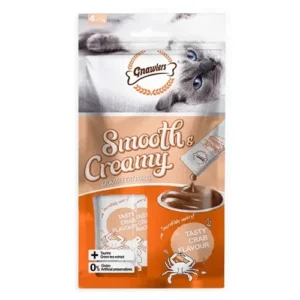
Gnawlers Crab Flavour Creamy Cat Treats (60g)
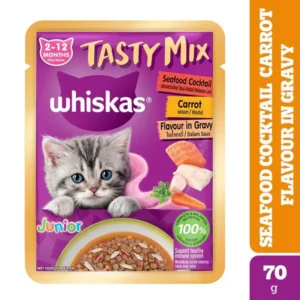
Whiskas Seafood Cocktail Carrot Flavour In Gravy Tasty Mix Kitten Cat Wet Food (70g)
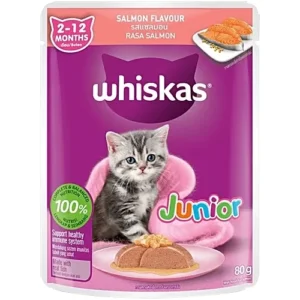
Whiskas Salmon Kitten (2-12 Months) Cat Wet Food (80g)

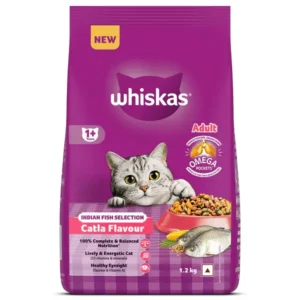
Whiskas Catla Fish Flavour Adult Cat Dry Food

MELAMINE HEAVY DISH BOWL (Diameter 14.5cm)

Happy Tummy Mango Dental Bone Treat for Adult Dogs and Puppies (150g)

Pedigree PRO Expert Nutrition Lactating/Pregnant Mother & Puppy Starter (3 to 12 Weeks) Small Breed Dog Dry Food
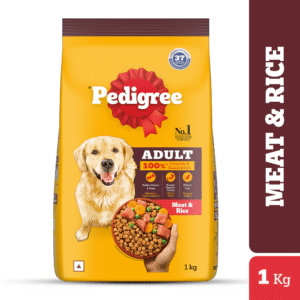
Pedigree Adult Dry Dog Food – Meat & Rice Formula
Turtle Food – Premium Nutrition for Happy, Healthy Turtles
Give your beloved turtle the nutrition it deserves with high-quality turtle food designed to support healthy growth, active behavior, and overall well-being. Whether you care for a curious aquatic turtle, a playful pet turtle, or a growing hatchling, choosing the right food is one of the most important steps toward providing excellent care.
Turtles need a balanced diet that meets their specific nutritional requirements at every stage of life. The right combination of protein, vitamins, minerals, and other essential nutrients can help support strong shells, healthy development, and natural activity levels. With carefully selected turtle food, you can make every feeding time a rewarding experience for your pet.
Our turtle food is an excellent choice for turtle owners who want convenient feeding, dependable nutrition, and a simple way to maintain a consistent feeding routine. Whether you are a first-time turtle owner or an experienced reptile enthusiast, discover a practical feeding solution that helps you care for your turtle with confidence.
Choose quality turtle food and take a positive step toward a healthier, happier pet.
Why Choose Our Turtle Food?
Finding the best turtle food can feel overwhelming, especially with so many feeding options available. From floating pellets to dried food and specialized nutritional formulas, every product offers different benefits. The key is to choose food that suits your turtle’s species, age, dietary habits, and nutritional needs.
Our turtle food is designed to make everyday feeding easier while helping you focus on what matters most: your pet’s health and happiness.
1. Balanced Nutrition for Everyday Feeding
A suitable turtle diet provides essential nutrients that support normal growth, energy, and overall health. Depending on the formula, quality turtle food may provide protein, fats, vitamins, minerals, and other important dietary components.
A nutritionally appropriate feeding routine helps you provide consistent nourishment instead of relying on a single food source that may not meet all your turtle’s needs.
2. Supports Healthy Growth and Development
Growing turtles need appropriate nutrition to support their developing bodies. A diet formulated for the correct species and life stage can help supply nutrients required for normal development.
Our turtle food offers a convenient way to incorporate formulated nutrition into your pet’s daily feeding routine. For young turtles, choose a formula specifically suited to hatchlings or juveniles.
3. Helps Maintain Strong Shells
A turtle’s shell is an essential part of its body, making proper nutrition and overall husbandry especially important. Calcium, phosphorus balance, vitamin D3, and appropriate access to UVB lighting all play roles in maintaining healthy bones and shells.
A suitable turtle food can contribute to nutritional support when included in a well-managed care routine. Remember that food alone cannot compensate for inadequate lighting, unsuitable temperatures, or other husbandry problems.
4. Convenient and Easy to Feed
Busy pet owners need feeding solutions that fit naturally into everyday life. Depending on the product format, turtle food pellets can be easy to portion, store, and serve.
A convenient feeding routine makes it easier to monitor how much your turtle eats and remove uneaten food before it affects water quality.
5. Suitable for Different Feeding Preferences
Turtles have different dietary needs and feeding behaviors. Some species are predominantly carnivorous when young and become more omnivorous as they mature, while others naturally consume more plant material.
Choosing an appropriate turtle food formula helps you match your pet’s nutritional requirements rather than relying on a one-size-fits-all approach
The Importance of High-Quality Turtle Food
Feeding your turtle correctly is about much more than filling its stomach. Nutrition plays an important role in growth, normal body function, and long-term care.
Low-quality or unsuitable food may fail to provide the nutrients your turtle needs. An unbalanced diet can contribute to nutritional problems, particularly when combined with inadequate lighting, poor water conditions, or incorrect temperatures.
High-quality turtle food can make feeding more manageable by providing a formulated source of nutrition. However, the ideal diet depends on the turtle’s species, age, health, and natural eating habits.
When choosing turtle food, look for products that clearly identify their ingredients, nutritional analysis, feeding instructions, and intended species or life stage. These details help you make an informed decision and build a more reliable feeding routine.
Smart feeding starts with informed choices. By selecting appropriate food and maintaining suitable living conditions, you can give your turtle a stronger foundation for lifelong care.
What Makes Good Turtle Food?
Not all turtle food products are created equal. Understanding the nutritional components of a suitable formula helps you select a product that meets your pet’s needs.
Essential Protein
Protein is an important nutrient for growth, tissue maintenance, and normal body functions. Many aquatic turtles benefit from appropriately formulated protein sources, although their requirements vary according to species and age.
Juvenile turtles often require a different nutritional balance from adults. Select a turtle food formula that matches your pet’s life stage and follow the manufacturer’s feeding recommendations.
Vitamins and Minerals
Vitamins and minerals support numerous physiological functions. Depending on the formulation, turtle food may contain nutrients such as vitamin A, vitamin D3, and calcium.
These nutrients must be provided in appropriate amounts. Excess supplementation can also be harmful, so avoid combining multiple fortified foods or supplements without considering the overall diet.
Healthy Fats
Dietary fats provide energy and support normal bodily functions. A balanced turtle food formula should contain an appropriate amount of fat for its intended species and life stage.
More fat is not necessarily better. Portion sizes and feeding frequency should be adjusted to the turtle’s nutritional requirements.
Digestible Ingredients
Food that is appropriate for your turtle’s digestive system can make feeding more practical. Ingredient quality, pellet size, and product formulation all influence how easily a particular food fits into your pet’s diet.
Always select a product designed for turtles rather than assuming fish food, dog food, or other pet foods provide equivalent nutrition.
Types of Turtle Food: Find the Right Option for Your Pet
Understanding the available types of turtle food can help you choose the most suitable option for your pet.
Turtle Food Pellets
Pellets are a popular option because they are convenient to measure and serve. Many commercial turtle pellets are formulated to provide a defined nutritional profile.
Floating pellets may be particularly practical for aquatic turtles that feed at the water’s surface. Sinking varieties can suit certain feeding behaviors, depending on the species and product.
When selecting turtle food pellets, check the recommended species, pellet size, nutritional analysis, and feeding instructions.
Floating Turtle Food
Floating turtle food is designed to remain on the water’s surface for a period of time. This can make feeding easier to observe and help you monitor appetite.
Because uneaten food can pollute aquarium water, offer appropriate portions and remove leftovers promptly.
Dried Turtle Food
Some turtle foods contain dried animal-based ingredients, insects, or other materials. These products may offer variety, but dried treats should not automatically be treated as a complete and balanced diet.
Check the label to determine whether the food is intended for daily feeding, occasional supplementation, or use alongside other foods.
Plant-Based Turtle Food
Many turtles benefit from plant material, but the right balance depends on their species. Some aquatic turtles consume a combination of leafy greens, aquatic vegetation, and animal-based foods, while other turtle species have more specialized dietary requirements.
A suitable plant-based option can complement the diet of turtles that naturally consume vegetation. Always verify that the ingredients are appropriate for your pet.
Turtle Food for Hatchlings and Juveniles
Young turtles have different nutritional needs from adults. Hatchling and juvenile formulas are designed to accommodate the requirements of growing turtles.
Choose a product with appropriately sized food pieces and clear age-specific feeding directions. As your turtle matures, review its diet to ensure it continues to receive suitable nutrition.
How to Choose the Best Turtle Food
Choosing the best turtle food begins with understanding your pet. Before buying, consider the following factors.
Know your turtle’s species. Aquatic turtles, terrestrial turtles, and tortoises can have significantly different dietary requirements. A product suitable for one species may not be appropriate for another.
Consider your turtle’s age. Hatchlings, juveniles, and adults may need different nutritional profiles and feeding schedules.
Check the nutritional information. Review the ingredients, protein and fat levels, vitamin and mineral content, and feeding recommendations. Look for a clearly identified complete diet when you need food for regular feeding.
Choose the correct food size. Pellets should be appropriate for your turtle’s size and feeding ability.
Look for clear product labeling. A reliable product should explain what animals it is intended for and how to use it. Avoid relying on broad marketing claims that do not provide supporting product information.
Consider your turtle’s usual diet. Some species require a varied diet with both animal-based and plant-based foods. Commercial turtle food may form part of that routine, but it may not replace every dietary component.
By keeping these factors in mind, you can select turtle food with greater confidence and make a better choice for your pet.
How Much Turtle Food Should You Feed?
The correct amount of turtle food depends on the species, age, body condition, activity level, and nutritional composition of the product. There is no single portion size that works for every turtle.
Start by following the manufacturer’s feeding instructions for your turtle’s species and life stage. Monitor your pet’s appetite, body condition, and growth, and adjust the routine as appropriate.
Avoid offering unlimited quantities of food simply because your turtle appears eager to eat. Overfeeding can contribute to unhealthy weight gain and excess waste in the enclosure.
For aquatic turtles, remove uneaten food promptly to help maintain clean water. Monitor your turtle regularly for changes in appetite, unusual behavior, or signs of poor health.
If you are unsure about portion sizes or feeding frequency, consult a reptile veterinarian who can recommend a suitable diet for your individual pet.
Feeding Tips for a Healthy Turtle
A consistent feeding routine can make caring for your turtle easier and more effective. Use these practical tips to get more from your chosen turtle food.
- Follow the product instructions: Use the recommended serving guidance as your starting point.
- Maintain a suitable schedule: Feeding frequency should reflect the turtle’s species, age, and nutritional needs.
- Provide dietary variety when necessary: Some turtles need suitable vegetables, leafy greens, or other species-appropriate foods alongside formulated food.
- Keep water clean: Remove uneaten food and maintain proper filtration and water quality for aquatic turtles.
- Store food correctly: Keep the packaging sealed and follow the storage instructions to preserve freshness and quality.
- Observe eating habits: Monitor appetite and behavior so you can identify changes early.
- Provide appropriate lighting and temperatures: Nutrition works together with suitable UVB exposure, heating, hydration, and habitat conditions.
Remember that a healthy turtle needs more than good food. A properly maintained habitat and routine veterinary care are equally important parts of responsible pet ownership.
Turtle Food for Different Species
Every turtle has unique dietary needs, so selecting the right food starts with identifying the species you own.
Aquatic Turtles
Many commonly kept aquatic turtles eat a combination of animal-based foods and plant material, although the balance varies with species and age. Commercial aquatic turtle food can provide a convenient foundation for an appropriate diet.
Look for formulas specifically intended for aquatic turtles, and consider whether the food is suitable for juveniles or adults.
Red-Eared Slider Turtles
Red-eared sliders are popular aquatic pets with dietary needs that change as they mature. Young sliders generally require a different nutritional balance from adults, and mature animals typically benefit from a greater emphasis on suitable plant foods.
A quality slider-specific turtle food can help support a balanced routine when combined with appropriate vegetables and other recommended foods.
Box Turtles
Box turtles are primarily terrestrial and often consume a varied diet that can include animal-based foods, vegetables, fruits, and other suitable items, depending on the species and life stage.
Do not assume that a pellet formulated exclusively for aquatic turtles will meet every box turtle’s needs. Select a diet specifically suited to the species you keep.
Tortoises
Tortoises are not simply land-dwelling versions of aquatic turtles. Many commonly kept tortoise species need diets rich in suitable fibrous plant material, with species-specific differences in their nutritional requirements.
Use food labeled for the appropriate tortoise species rather than substituting generic turtle pellets without veterinary guidance.
Important: Always identify your pet correctly before selecting turtle food. If you are uncertain about its species or dietary requirements, consult a qualified reptile veterinarian.
Common Turtle Feeding Mistakes to Avoid
Even caring owners can make mistakes when feeding turtles. Recognizing these common problems can help you establish a safer, more effective routine.
Feeding Only One Type of Food
Some turtles need a varied diet to receive the full range of nutrients they require. Depending on the species, commercial turtle food may need to be supplemented with appropriate plant material or other recommended foods.
Overfeeding
Frequent, excessive feeding can contribute to poor body condition and water quality problems. Follow appropriate portion guidance and monitor your turtle’s weight and growth.
Choosing the Wrong Formula
A product designed for fish, tortoises, or a different turtle species may not meet your pet’s needs. Check the product label carefully before buying.
Ignoring Habitat Conditions
A nutritious diet cannot make up for inadequate UVB lighting, incorrect water temperatures, poor filtration, or unsuitable basking conditions. Good nutrition and proper husbandry must work together.
Ignoring Changes in Appetite
A turtle that suddenly stops eating may be experiencing stress, unsuitable environmental conditions, or an underlying health problem. If appetite loss persists or occurs with other concerning symptoms, seek advice from a reptile veterinarian.
Avoiding these mistakes can help make your feeding routine more consistent and support better long-term care.
Why Buy Turtle Food From Us?
When shopping for turtle food, you deserve clear information and a product that fits your pet’s needs. Our goal is to make choosing the right feeding solution easier, more convenient, and more reassuring.
- Convenient feeding: Choose a practical food format that fits your daily routine.
- Informed purchasing: Review product details and feeding directions before making your selection.
- Pet-focused care: Find food options intended to support responsible turtle ownership.
- Easy routine management: Use clearly stated portion and storage instructions to help simplify feeding.
- Confidence in your choice: Match the product to your turtle’s species, age, and nutritional requirements.
Whether you are refreshing your existing supplies or preparing a home for a new turtle, choosing an appropriate food is an important investment in responsible pet care.
Explore our turtle food range and find an option that suits your pet’s needs.
Order Turtle Food Online Today
Your turtle depends on you for suitable nutrition, a safe habitat, and consistent care. Choosing the right turtle food is a simple yet meaningful way to improve your everyday feeding routine.
With the right formula, appropriate portions, and good husbandry practices, you can provide a more reliable nutritional foundation for your pet. From growing juveniles to mature aquatic turtles, the ideal food is one that matches their specific dietary needs.
Do not leave your turtle’s nutrition to guesswork. Review the product details, choose the appropriate formula, and establish a feeding routine that supports responsible long-term care.
Shop turtle food today and make every feeding time count.
Give your shelled companion the care it deserves with a thoughtful approach to nutrition, a suitable habitat, and a commitment to its well-being.
Frequently Asked Questions About Turtle Food
1. What is the best food for turtles?
The best turtle food depends on your turtle’s species, age, and dietary requirements. Many aquatic turtles benefit from a suitable commercial turtle pellet as part of a balanced diet, while tortoises and other terrestrial turtles may need different food choices.
2. Can turtles eat turtle food every day?
Some complete commercial turtle foods are designed for regular feeding, but the appropriate frequency depends on the product and the turtle’s species and life stage. Follow the label instructions and consult a reptile veterinarian if you need individualized advice.
3. Is turtle food suitable for baby turtles?
Certain turtle food formulas are designed specifically for hatchlings and juveniles. Choose an age-appropriate product with suitable food-piece sizes and nutritional guidance.
4. Can I feed my turtle fish food?
Fish food is not necessarily nutritionally complete for turtles. It should not replace a properly formulated turtle diet unless a qualified reptile veterinarian recommends a specific use.
5. Do turtles need vegetables along with pellets?
Many turtle species benefit from vegetables or other plant material, but the exact requirements vary. Some species are predominantly herbivorous, while others eat a combination of plant and animal foods. Identify your turtle’s species before deciding what to include.
6. How should I store turtle food?
Store turtle food according to the manufacturer’s instructions. Keep the packaging sealed, protect it from excessive heat and moisture, and observe the stated expiry date to help maintain product quality.
7. How do I know if my turtle is getting enough food?
Monitor your turtle’s body condition, growth, appetite, and general behavior. Use appropriate feeding guidance rather than relying on begging behavior alone. A reptile veterinarian can help assess whether your turtle’s diet and body condition are appropriate.
8. Can the same turtle food be used for every species?
No. Aquatic turtles, box turtles, and tortoises can have very different nutritional needs. Always choose a product intended for your particular animal and life stage.
9. Does turtle food help support shell health?
A suitable, balanced diet can contribute nutrients needed for normal shell and bone development. However, shell health also depends on factors such as appropriate UVB lighting, calcium availability, temperature, and general husbandry.
10. Where can I buy quality turtle food?
You can explore our turtle food range to find a convenient feeding option for your pet. Before ordering, review the product’s ingredients, nutritional analysis, intended species, and feeding instructions to ensure it matches your turtle’s needs.
Give Your Turtle the Nutrition It Deserves
Responsible turtle care begins with the right choices. Select suitable turtle food, follow a consistent feeding routine, and provide the habitat conditions your pet needs to thrive.
Explore our turtle food collection today and take the next step toward confident, caring pet ownership.