

Small Pet Carrier
Search
Price
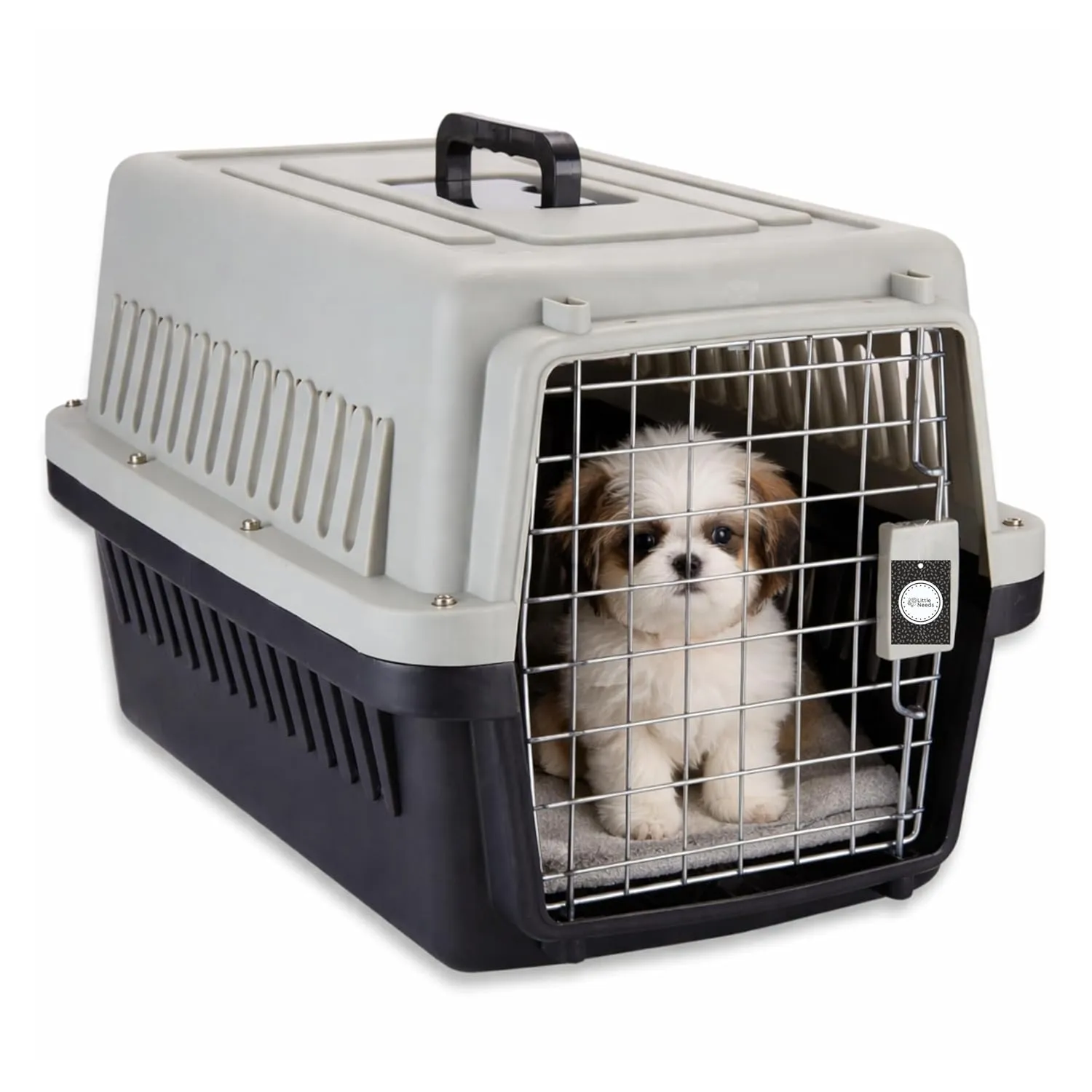
Pet Carrier Fiber Cage | Portable Travel Crate for Small Pets
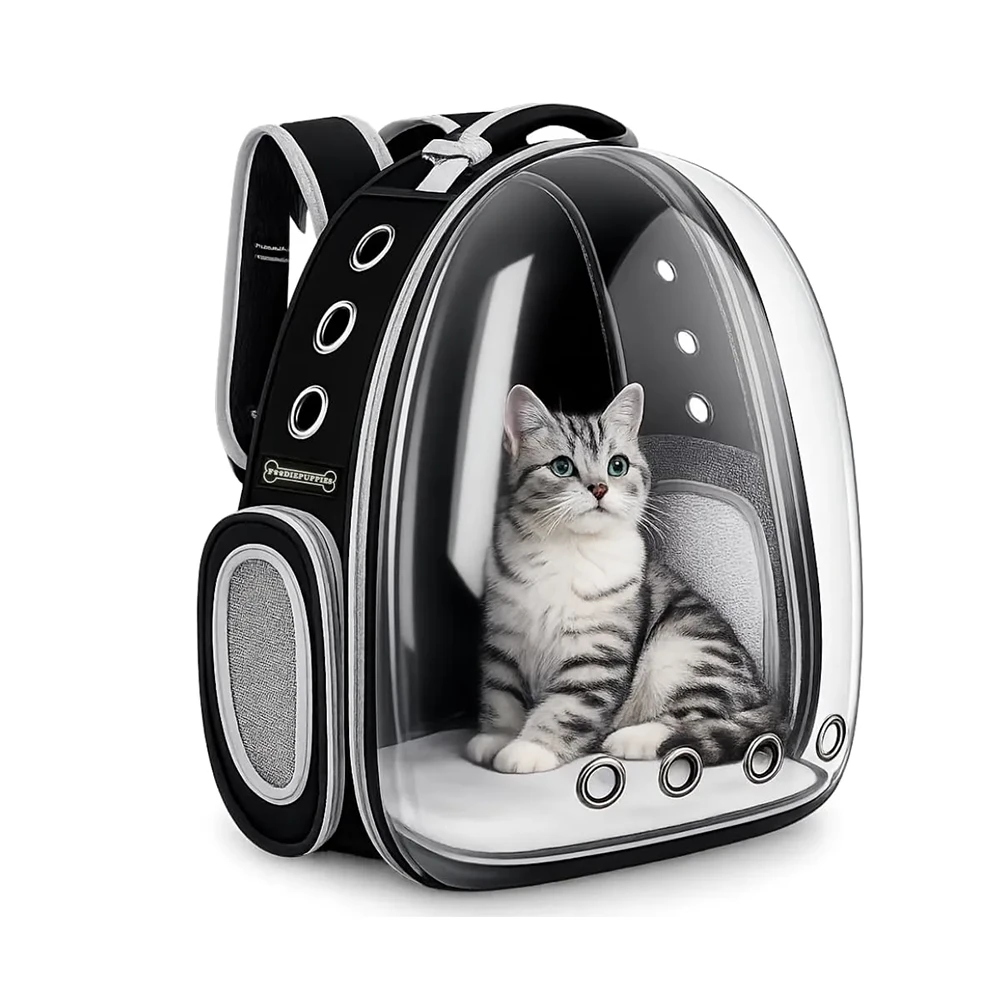
Astronaut Pet Carrier Backpack for Cats & Small Dogs

Foldable Pet Cage for Dogs, Cats & Small Pets | Portable Crate
You May Also Like

Oh My Dog Detangling Pet Shampoo | Smartypet Pet Products


Purepet Peak Kitten Ocean Fish

Drools Focus Starter Dry Dog Food | Super Premium All Breed Formula | Corn, Wheat & Soya Free Formula


Furminator M Size-Short Hair DeShedding Tool Brush – Orange

Whiskas Rohu Fish Flavour Adult Cat Dry Food

Bellotta Mackerel in Jelly Tinned Cat Wet Food Can (185g)

Drools Mix Creamy Dog Treats Pack of 4 (75g)

Drools Mix Creamy Cat Treats Pack of 5 (75g)
Small Pet Carrier – A Safe, Comfortable, and Convenient Travel Solution for Your Beloved Pets
Make Every Journey Safer with the Perfect Small Pet Carrier
Your little companion deserves the very best, whether you’re heading to the vet, visiting family, or enjoying a short trip together. Our small pet carrier is designed to make every journey easier, safer, and more comfortable for your furry friend. Created with the needs of rabbits, hamsters, guinea pigs, and other small pets in mind, this practical travel solution helps you transport your beloved companion with greater confidence and peace of mind.
We understand that small pets are more than just animals. They’re cherished family members who bring happiness, warmth, and unconditional affection into your life. That’s why choosing the right pet carrier matters. A well-designed carrier provides a secure space for your pet while making everyday travel less stressful for both of you.
Whether you need a reliable rabbit carrier for routine checkups, a convenient hamster carrier for short journeys, or a comfortable guinea pig carrier for family visits, our small pet travel carrier offers a practical solution for your needs.
Give your tiny companion a safer, more comfortable travel experience with a carrier designed around their well-being.
Why Choose Our Small Pet Carrier?
Finding a dependable small animal carrier can feel overwhelming when you want the best for your pet. You need something practical, comfortable, easy to carry, and suitable for your animal’s specific needs.
Our small pet carrier is designed to help simplify pet transportation while keeping comfort and convenience at the forefront.
1. A Comfortable Space for Your Little Companion
Travel can be unfamiliar and overwhelming for small animals. A thoughtfully selected pet carrier gives your furry friend a designated space during transportation, helping you manage movement and create a more controlled environment.
Whether you’re transporting a rabbit, guinea pig, or hamster, choose a carrier with suitable dimensions that allow your pet to maintain a natural, comfortable position. Adequate interior space is essential, particularly for longer journeys or pets that need room to turn around.
Add familiar, pet-safe bedding to help create a reassuring environment and make the carrier feel less unfamiliar.
2. Secure Transportation for Everyday Adventures
Your pet’s safety should always come first. A dependable small pet transport carrier helps keep your companion contained during car journeys, visits to the veterinarian, and other necessary trips.
A secure closure and sturdy construction can help reduce the risk of accidental escapes during handling. When choosing a carrier, look for secure fastenings, smooth edges, and materials suitable for your pet.
For added peace of mind, check that all doors and closures are properly secured before every journey. Never leave your small animal unattended in a carrier, especially in a parked vehicle or direct sunlight.
3. Lightweight and Convenient to Carry
Carrying your pet shouldn’t make an already busy day more difficult. A portable small pet carrier can make trips to the veterinary clinic, grooming appointments where appropriate, and other outings easier to manage.
A comfortable handle and practical design can help you transport your little companion without unnecessary hassle. For longer walks, consider whether the carrier’s weight, dimensions, and carrying style suit your needs.
From quick appointments to planned visits, the right carrier helps you stay organized while keeping your pet close.
4. Practical Ventilation for Better Airflow
Good ventilation is essential when selecting a small animal travel carrier. Proper airflow helps create a more suitable environment for your pet while travelling.
Look for appropriately positioned ventilation openings or mesh panels that provide air circulation without creating opportunities for escape. The design should also protect your pet from excessive drafts, harsh weather, and direct sunlight.
Always monitor your companion for signs of overheating or distress, and never cover ventilation openings during transport.
5. Easy to Maintain and Keep Clean
Pets can leave behind loose fur, bedding, hay, or other messes, especially during travel. A carrier with accessible interiors and easy-to-clean surfaces can help simplify routine maintenance.
Regular cleaning supports a more hygienic travel environment and helps remove dirt, odours, and accumulated debris.
Choose cleaning methods that are appropriate for the carrier’s materials, rinse away any residue, and allow the carrier to dry completely before use. Avoid strong-smelling cleaning products that may irritate your pet.
The Ideal Small Pet Carrier for Rabbits, Hamsters, and Guinea Pigs
Different small animals have different travel requirements. Understanding your pet’s needs helps you choose a carrier that offers appropriate space, security, and comfort.
Rabbit Carrier: A Comfortable Option for Bunny Travel
Rabbits are curious, sensitive animals that need careful handling. Whether you’re taking your bunny for a health check or transporting them to a new environment, a suitable rabbit carrier can help make the journey more manageable.
When choosing a rabbit travel carrier, prioritize enough floor space for your rabbit to sit naturally, turn around, and maintain a comfortable posture. A stable base, secure access points, and suitable ventilation are also important.
Add familiar bedding or a small amount of clean, appropriate hay when suitable for your rabbit and the carrier design. Familiar smells may help your bunny feel more at ease.
Avoid carriers that force your rabbit into a cramped position or have openings that could trap their feet. Rabbits can become frightened during handling, so support their body properly when placing them inside or removing them.
Make every necessary trip easier for you and gentler for your beloved bunny with a carefully chosen rabbit carrier.
Hamster Carrier: Convenient Travel for Tiny Explorers
Hamsters may be small, but they need a secure environment when travelling outside their usual habitat. A suitable hamster carrier provides a contained space for short transfers, such as journeys to the veterinarian.
When selecting a hamster travel carrier, check that the openings are appropriately sized, the lid closes securely, and the ventilation is suitable. Your hamster should have enough room to move comfortably without creating unnecessary opportunities for escape.
Familiar, clean bedding can help make the carrier less unfamiliar. Depending on the journey and the carrier’s design, an appropriate hide or nesting material may also help your hamster feel more secure.
Avoid placing heavy accessories inside a small carrier, as these can shift during movement. Never leave a hamster in a hot car or expose them to extreme temperatures.
Keep your little explorer secure and make essential journeys simpler with a practical hamster carrier.
Guinea Pig Carrier: More Comfort for Your Gentle Companion
Guinea pigs need a carrier that accommodates their body size and supports comfortable movement. A suitable guinea pig carrier can be especially useful for veterinary appointments, supervised relocations, and other necessary journeys.
Look for a stable base, secure closures, and sufficient interior room for your guinea pig to sit naturally and turn around. The floor should provide suitable traction, helping reduce slipping during transport.
Guinea pigs may appreciate familiar, clean bedding and access to appropriate hay, provided the carrier has enough room and the setup remains safe. Monitor your pet throughout the journey and follow veterinary guidance for longer trips or animals with special health needs.
Because guinea pigs are social animals, their individual needs and any advice from your veterinarian should guide decisions about travelling together.
Give your gentle companion a secure, thoughtfully prepared space whenever travel becomes necessary.
Designed for Everyday Pet Transportation
A versatile small pet carrier can make many everyday situations easier to manage. Having a suitable carrier ready at home helps you prepare for planned appointments and unexpected transportation needs.
Veterinary Visits
Routine health checks and unexpected veterinary appointments are an important part of responsible pet ownership. A secure carrier helps you transport your rabbit, hamster, or guinea pig while limiting the risk of escape.
Keep the carrier accessible and introduce it gradually before an appointment whenever possible. This can help your pet become more familiar with the space before a stressful journey.
Short Car Journeys
Travelling by car requires additional care because sudden stops and vehicle movement can affect your pet’s safety.
Use a carrier that can be positioned securely in the vehicle, following the carrier manufacturer’s instructions and appropriate vehicle safety guidance. Keep the carrier away from airbags, direct sunlight, and unstable surfaces.
Never allow a small pet to roam freely inside a moving vehicle. Avoid leaving your companion unattended in a parked car, where temperatures can rise or fall dangerously quickly.
Moving to a New Home
Moving can be unsettling for small animals because unfamiliar smells, sounds, and surroundings can disrupt their routines.
A suitable small animal carrier helps you transport your pet between locations in a controlled environment. Prepare the carrier in advance, use familiar bedding where appropriate, and keep the journey as calm and predictable as possible.
After arriving, introduce your pet to a properly prepared enclosure and allow time to settle.
Family Visits and Temporary Relocation
Sometimes your pet needs to accompany you during a short relocation or stay at another suitable location. A portable pet carrier can help simplify transportation when the destination is appropriate for your animal.
Before travelling, check the destination’s environment, temperature, noise levels, and available accommodation for your pet. Keep food, water, bedding, and other essential supplies ready according to the species and journey requirements.
What Makes a Good Small Animal Carrier?
Not all pet carriers are suitable for every species. The best small pet carrier is one that matches your animal’s size, temperament, and transportation needs.
Here are the essential features to consider when choosing a carrier.
Appropriate Size and Interior Space
Your pet should have enough room to sit naturally, turn around, and maintain a comfortable position. Measure your animal and compare those measurements with the carrier’s usable interior dimensions.
A carrier that is too small can restrict movement, while an excessively spacious carrier may allow your pet to slide around during transport if the interior is not arranged appropriately.
Choose a size that suits your pet now and consider their expected adult size if they are still growing.
Secure Doors and Closures
Reliable closures help prevent accidental escapes. Check that doors, zippers, clips, or latches are sturdy and easy to operate without leaving gaps.
Inspect the carrier before each trip, especially if it has been stored for an extended period.
Suitable Ventilation
Adequate ventilation helps maintain airflow throughout the journey. Look for ventilation openings that suit the animal and do not compromise containment.
Remember that good ventilation alone does not prevent overheating. Keep your pet away from direct sunlight and monitor the surrounding temperature.
Stable and Supportive Base
A firm, appropriately textured base can help your pet remain stable while being carried. For rabbits and guinea pigs in particular, consider how the base supports their body and whether bedding can be added safely.
Avoid surfaces that are slippery, sharp, or difficult to clean.
Easy Access and Handling
A practical opening makes it easier to place your pet inside and remove them carefully. This is especially valuable when handling a nervous animal or transporting a pet that needs additional support.
Choose an opening that allows you to handle your companion gently without forcing them through a narrow space.
Durable, Pet-Suitable Materials
The carrier should be made from materials that suit the animal’s chewing habits, size, and intended use. Check the manufacturer’s care instructions and inspect the carrier regularly for cracks, damaged mesh, loose parts, or sharp edges.
A durable design can support repeated use when maintained properly.
How to Choose the Right Small Pet Carrier
Choosing a carrier becomes easier when you focus on your pet’s individual needs rather than appearance alone.
Step 1: Identify your pet’s species. A carrier designed for a hamster may not provide enough space for a rabbit or guinea pig. Always select a model suitable for your particular animal.
Step 2: Measure your pet. Check their body dimensions and compare them with the usable interior space. Your pet should be able to move into a natural position without feeling cramped.
Step 3: Consider your travel routine. Short veterinary transfers may require different features from longer journeys. Think about carrying comfort, cleaning requirements, access, and the carrier’s ability to be secured during transport.
Step 4: Check safety features. Inspect ventilation, closures, base stability, and potential gaps. The carrier should be secure without compromising airflow or comfortable movement.
Step 5: Prepare the carrier in advance. Introduce it gradually at home. Allow your pet to explore it under supervision and use familiar bedding where appropriate.
Step 6: Monitor your pet during travel. Keep the environment calm and at a suitable temperature. Watch for signs of distress and seek veterinary advice if you have concerns about your pet’s ability to travel safely.
By following these steps, you can make a more confident choice and create a better transportation experience for your companion.
Tips to Help Your Small Pet Feel More Comfortable in a Carrier
Even a well-chosen carrier may feel unfamiliar at first. A few simple preparation steps can help make the experience more manageable.
- Introduce the carrier gradually: Place it in a familiar area and allow your pet to explore it voluntarily under supervision.
- Use familiar bedding: A small amount of clean bedding can provide a recognizable scent when appropriate for the species.
- Keep handling gentle: Move slowly and support your pet correctly when placing them inside or taking them out.
- Reduce unnecessary noise: Choose a calm route where possible and avoid excessive handling during the journey.
- Maintain a comfortable temperature: Protect your pet from direct sunlight, extreme heat, and cold.
- Check the carrier before leaving: Ensure that closures are secure and ventilation openings are unobstructed.
- Keep journeys appropriate: Plan travel around your pet’s needs, and consult a veterinarian about longer trips, illness, or special care requirements.
Never assume that every animal will immediately enjoy travelling. Your pet’s comfort and individual behaviour should guide your approach.
Why Every Small Pet Owner Needs a Reliable Travel Carrier
Responsible pet care involves preparing for more than everyday feeding and cleaning. Transportation is another important consideration, whether you need to attend a routine health check or respond to an unexpected situation.
A reliable small pet carrier helps you keep essential travel equipment ready when you need it. Instead of improvising at the last minute, you can focus on handling your companion carefully and organizing the journey.
For rabbit owners, a suitable carrier supports controlled transportation and careful handling. For hamster owners, it provides a secure space for necessary transfers. For guinea pig owners, it helps make trips more manageable when the carrier offers adequate room and support.
The right choice combines practical design with thoughtful preparation. It should suit your animal, your travel routine, and the level of care your companion requires.
Invest in a pet carrier that puts comfort, convenience, and responsible handling first.
Small Pet Carrier: Product Features and Benefits
When comparing small pet carriers, use the following features to evaluate whether a model suits your requirements. Confirm the exact specifications of your chosen product before purchasing.
- Pet compatibility: Suitable for the species and size stated by the manufacturer.
- Portable design: Convenient for carrying during appropriate journeys.
- Secure closure system: Helps keep your pet contained when properly fastened.
- Ventilation openings: Support airflow during transportation.
- Practical interior: Allows suitable bedding and comfortable positioning.
- Easy-care construction: Helps simplify routine cleaning when used according to care instructions.
- Versatile everyday use: Useful for veterinary visits, short transfers, and other appropriate transportation needs.
The exact materials, dimensions, weight capacity, colours, and included accessories may vary by model. Review the product specifications to ensure you select the right option for your pet.
Frequently Asked Questions About Small Pet Carriers
1. What is a small pet carrier used for?
A small pet carrier is designed to transport smaller companion animals, such as rabbits, hamsters, and guinea pigs, in a contained space. It can be useful for veterinary visits, short car journeys, and other necessary transfers. Always choose a model appropriate for your pet’s species and size.
2. Can I use the same carrier for rabbits, hamsters, and guinea pigs?
Not necessarily. These animals differ in body size, behaviour, and transportation requirements. A carrier suitable for a hamster may be too small for a guinea pig or rabbit. Check the manufacturer’s species recommendations and interior dimensions before use.
3. How do I choose the correct small pet carrier size?
Measure your pet and compare their dimensions with the carrier’s usable interior space. Your animal should be able to sit naturally, turn around, and maintain a comfortable position. Consider your pet’s expected adult size if they are still growing.
4. Is a small pet carrier suitable for car travel?
A suitable carrier can be used for appropriate car journeys when positioned securely according to the manufacturer’s instructions and relevant vehicle safety guidance. Never let your pet roam freely inside a moving car, and never leave them unattended in a parked vehicle.
5. How can I help my pet get used to a new carrier?
Introduce the carrier gradually in a familiar environment. Allow supervised exploration and add a small amount of familiar bedding where suitable. Calm, gentle handling and positive experiences can help your pet become more comfortable with the carrier.
6. How often should I clean my pet carrier?
Clean the carrier after use whenever necessary, and remove soiled bedding or debris promptly. Follow the manufacturer’s cleaning instructions, use pet-appropriate cleaning products, and allow the carrier to dry fully before placing your pet inside.
7. Can small pets stay inside a carrier for long periods?
A carrier is primarily intended for transportation, not as a permanent living space. The suitability of a longer journey depends on the species, carrier design, temperature, ventilation, and your pet’s health. Seek veterinary advice for extended travel and ensure the animal’s food, water, and welfare needs are appropriately managed.
8. What should I put inside a small animal carrier?
Depending on the species and journey, suitable familiar bedding, appropriate hay for rabbits or guinea pigs, or safe nesting material for hamsters may help create a more familiar environment. Avoid heavy or loose accessories that could move dangerously during transport. Follow species-specific care advice.
9. Is a lightweight pet carrier better?
A lightweight carrier can be easier to carry, particularly during short trips. However, low weight should not come at the expense of secure closures, adequate ventilation, appropriate space, or durability. Choose a design that balances portability with your pet’s needs.
10. How do I keep my pet safe while travelling?
Check the carrier before every journey, fasten all closures, maintain suitable ventilation, and keep your pet at a comfortable temperature. Secure the carrier appropriately in the vehicle and monitor your companion for signs of distress throughout the trip.
Give Your Little Companion a Better Travel Experience
Your rabbit, hamster, or guinea pig depends on you to make thoughtful choices about their comfort and safety. A carefully selected small pet carrier can make necessary journeys more organized, manageable, and reassuring.
Whether you’re preparing for a veterinary appointment, planning a short trip, or simply ensuring that you’re ready for unexpected transportation needs, the right carrier is a valuable addition to your pet-care essentials.
Focus on secure construction, suitable ventilation, comfortable interior space, and convenient handling. Combine these features with gentle preparation and attentive supervision to support a better travel experience for your beloved companion.
Choose a small pet carrier that fits your pet’s needs, simplifies your routine, and helps you travel with greater confidence. Your little friend deserves thoughtful care at every step of the journey.